
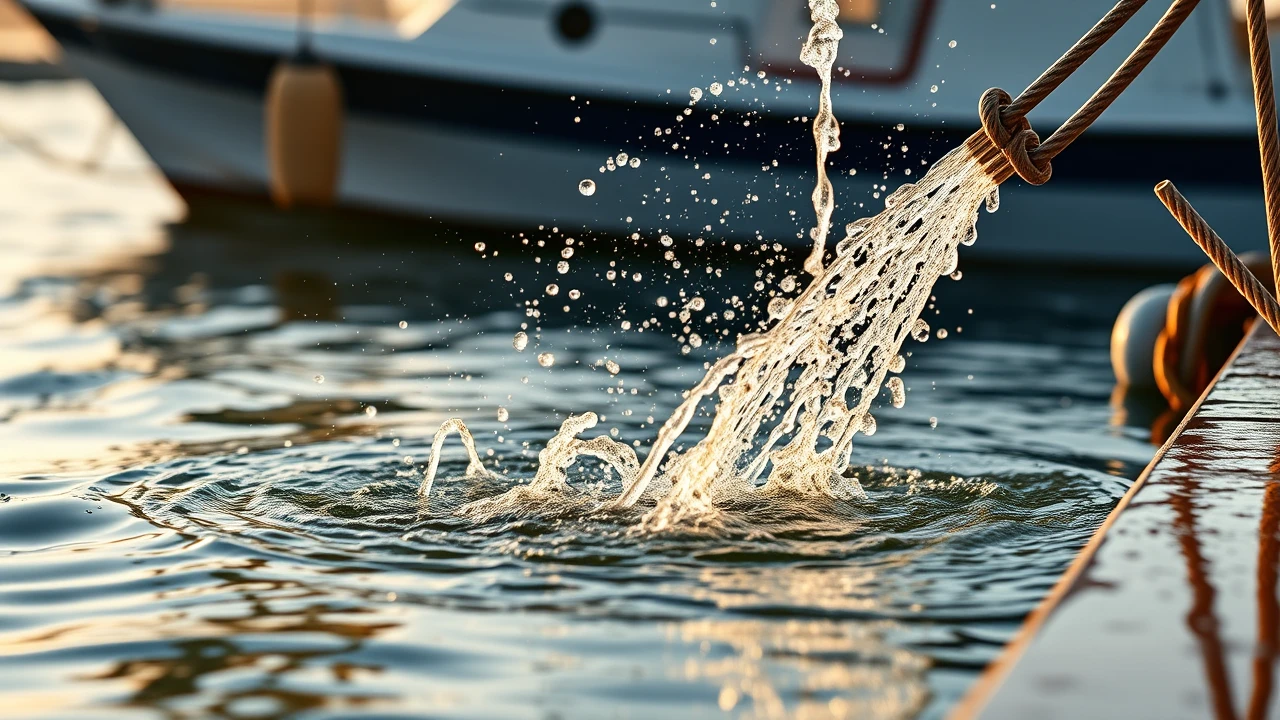
Ropes and hardware cables play a crucial role in many water-based activities, from wakeboarding and water skiing to boating and rescue operations. Their durability, strength, and safety features make them indispensable tools for enthusiasts and professionals alike. However, even the highest-quality ropes and cables require proper care and maintenance to perform reliably and last longer. This article explores seven essential maintenance tips that will help you extend the life of your ropes and hardware cables while ensuring safety and optimal functionality.
1. Regular Cleaning to Remove Salt, Dirt, and Debris
Why Cleaning Matters
Ropes and hardware cables used in marine environments are constantly exposed to saltwater, sand, mud, and other contaminants. Salt, in particular, is notorious for accelerating wear and corrosion, especially on metal components like cable fittings or hardware connectors. Dirt and debris can also cause abrasion and weaken fibers over time.
How to Clean Properly
- Rinse with Freshwater: After each use, rinse your ropes and cables thoroughly with fresh water to wash away salt and dirt.
- Use Mild Soap: For stubborn grime, use a mild soap or specialized rope cleaner. Avoid harsh chemicals that can degrade rope fibers or coatings.
- Dry Completely: Hang ropes in a shaded, well-ventilated area to air dry fully before storage. Avoid direct sunlight exposure during drying to prevent UV damage.
2. Inspect Frequently for Signs of Wear and Damage
Importance of Regular Inspections
Even the most durable ropes and cables can develop weak spots or damage from abrasion, UV exposure, or heavy use. Early detection of fraying, cuts, broken strands, or corrosion can prevent accidents and extend the rope’s usable life.
What to Look For
- Fiber Ropes: Check for fraying, discoloration, stiffness, or soft spots that indicate internal damage.
- Hardware Cables: Look for broken wires, rust, kinks, or loose fittings.
- Handles and Loops: Inspect ergonomic handles and reinforced loops for signs of wear or deterioration.
Conduct inspections before and after each use, and replace any components showing significant damage.
3. Store Ropes and Cables Properly
Proper Storage Extends Lifespan
Correct storage prevents unnecessary exposure to damaging elements, reduces tangling, and keeps ropes and cables in good condition.
Best Storage Practices
- Avoid Direct Sunlight: Prolonged UV exposure weakens synthetic fibers.
- Keep Dry: Store ropes away from moisture to prevent mildew and corrosion.
- Use Storage Bags or Spools: Compact storage solutions protect ropes from dirt and mechanical damage.
- Avoid Sharp Edges: Ensure ropes are not resting on rough or abrasive surfaces that can cause wear.
4. Avoid Overloading and Exceeding Tensile Strength
Use Ropes Within Their Designed Capacity
Every rope and hardware cable has a rated tensile strength that must not be exceeded. Overloading can cause sudden failure and compromise safety.
Tips to Prevent Overloading
- Match rope thickness and tensile strength to your specific activity, whether it’s towing, anchoring, or rescue.
- Consider safety factors by selecting ropes with higher strength than the maximum expected load.
- Avoid sudden jerks or shock loads, which can stress fibers beyond their limits.
5. Minimize Exposure to UV and Harsh Environmental Conditions
UV Resistance Is Not Absolute
While many ropes in this category feature UV-resistant coatings, prolonged exposure to sunlight can still degrade fibers and reduce strength.
Protective Measures
- When not in use, cover ropes or store them in shaded areas.
- Rotate ropes periodically if they are regularly exposed to sunlight to ensure even wear.
- Consider ropes designed specifically for high UV resistance if you operate in sunny climates frequently.
6. Lubricate and Maintain Hardware Components
Hardware Cables Require Special Attention
Metal components such as clips, swivels, quick-release mechanisms, and cable fittings need periodic maintenance to prevent rust and ensure smooth operation.
Maintenance Steps
- Clean hardware with fresh water and dry thoroughly after use.
- Apply marine-grade lubricants to moving parts to prevent corrosion and maintain functionality.
- Check for signs of corrosion or wear and replace hardware as needed to maintain safety compliance.
7. Follow Manufacturer Guidelines and Certifications
Adhering to Standards Improves Safety and Durability
Ropes and cables certified to TÜV, ISO, CE, or marine safety standards come with recommended care instructions that help maximize performance and lifespan.
Why This Matters
- Manufacturer guidelines often include specific cleaning agents, storage conditions, and inspection intervals tailored to the rope’s material and construction.
- Following these recommendations preserves warranties and ensures compliance with safety protocols.
Conclusion
Maintaining your ropes and hardware cables with these seven practical tips will not only extend their lifespan but also enhance safety and performance. Regular cleaning, thorough inspections, proper storage, avoiding overload, protecting against environmental damage, maintaining hardware parts, and following manufacturer instructions create a comprehensive care routine suited for marine, water sports, and rescue applications.
By investing time in proper maintenance, you safeguard your equipment against premature wear and unexpected failures, ensuring that your ropes and cables remain reliable partners in all your aquatic adventures and professional duties. Remember, well-maintained ropes embody durability, safety, and environmental responsibility—core values that define the best products in this category.