
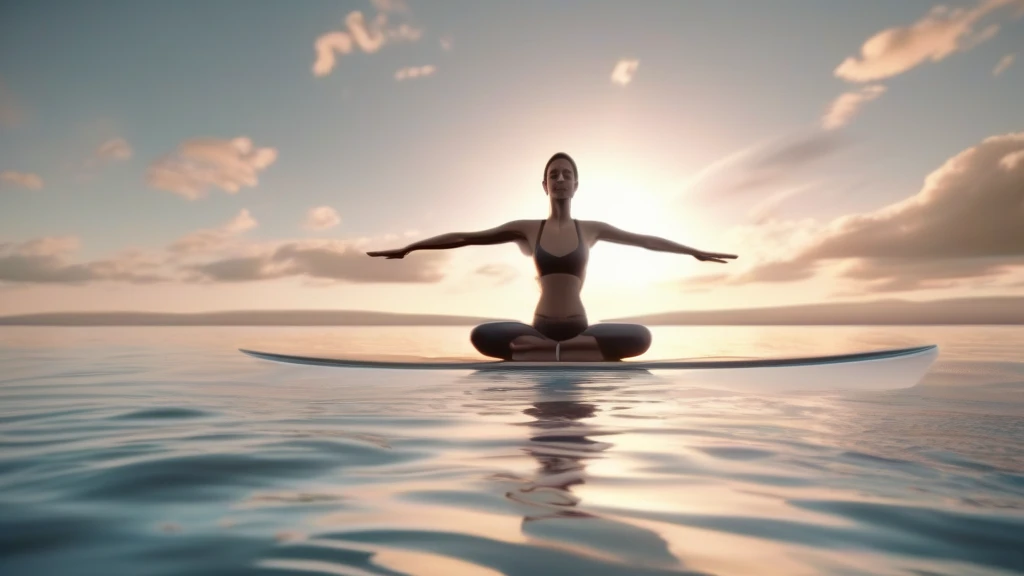
Stand-up paddleboard (SUP) yoga blends the serenity of yoga with the soothing rhythm of water, offering a unique way to enhance balance, flexibility, and mindfulness. Practicing yoga on a paddleboard engages your core more deeply and challenges your stability in ways that land-based yoga cannot replicate. Whether you're new to SUP yoga or looking to deepen your practice, incorporating specific poses can help you maximize the benefits of this peaceful water sport.
In this article, we explore seven paddleboarding yoga poses that boost balance and flexibility, perfect for practitioners eager to connect with nature and their bodies simultaneously.
Why Practice Yoga on a Paddleboard?
Before diving into the poses, it’s important to understand why paddleboarding is an excellent platform for yoga:
- Enhanced Core Engagement: The instability of the water activates core muscles continuously.
- Improved Balance: Holding poses on a moving surface trains proprioception and stability.
- Mindfulness and Calm: Being surrounded by water encourages focus and reduces stress.
- Increased Flexibility: Gentle swaying and resistance from water encourage deeper stretches.
Choosing a paddleboard designed for yoga—typically wider, with a textured non-slip deck pad—will provide the stability and comfort needed for these poses. Inflatable yoga paddleboards are popular for their portability and cushioned surface, ideal for beginners and seasoned yogis alike.
1. Mountain Pose (Tadasana) – Ground Your Balance
How to Perform:
- Stand tall in the center of your board with feet hip-width apart.
- Distribute your weight evenly across both feet.
- Engage your thighs, lift your chest, and relax your shoulders.
- Extend your arms alongside your body or raise them overhead.
Benefits:
Mountain Pose is a foundational pose that cultivates body awareness and balance. On the paddleboard, it enhances your ability to find stability by connecting with the board and water beneath you. This pose warms up your muscles and centers your focus, making it an ideal starting point.
2. Chair Pose (Utkatasana) – Strengthen Your Legs and Core
How to Perform:
- From Mountain Pose, bend your knees and lower your hips as if sitting in a chair.
- Keep your weight in your heels and chest lifted.
- Extend your arms forward or overhead for added challenge.
Benefits:
Chair Pose builds leg strength and tests your core stability. On a paddleboard, balancing in this semi-squat position requires control, enhancing lower body endurance and proprioception. This pose also improves flexibility in the ankles and knees.
3. Warrior II (Virabhadrasana II) – Expand Your Stability
How to Perform:
- Step one foot forward near the front of the board and the other foot back, toes pointing slightly out.
- Bend the front knee over the ankle and extend your arms parallel to the board.
- Gaze over your front hand while keeping your hips square.
Benefits:
Warrior II opens the hips and strengthens the legs, promoting stability on the board. Practicing this pose on water builds confidence in your footing and encourages flexibility in hip flexors and groin muscles.
4. Tree Pose (Vrksasana) – Hone Your Balance
How to Perform:
- Stand tall and shift your weight onto one foot.
- Place the sole of your opposite foot on your inner thigh or calf (avoid the knee).
- Bring your hands to prayer position at your chest or raise them overhead.
Benefits:
Tree Pose is a classic balance pose that challenges your focus and stability. On a paddleboard, subtle water movements make this pose more dynamic, helping to improve ankle strength and overall equilibrium.
5. Downward Dog (Adho Mukha Svanasana) – Lengthen and Strengthen
How to Perform:
- Start in a plank position with hands shoulder-width apart.
- Lift your hips toward the sky, forming an inverted V shape.
- Keep your heels pressing toward the board and your spine long.
Benefits:
Downward Dog stretches the hamstrings, calves, and shoulders while strengthening the arms and back. On the paddleboard, this pose increases body awareness and flexibility. The non-slip deck pad is essential for grip during this position.
6. Pigeon Pose (Eka Pada Rajakapotasana) – Deep Hip Opener
How to Perform:
- From Downward Dog, bring your right knee forward and place it behind your right wrist.
- Extend your left leg straight back along the board.
- Lower your hips toward the board and fold forward if comfortable.
Benefits:
Pigeon Pose deeply opens the hips and relieves tension from prolonged paddling. Practicing this on the board enhances hip flexibility and encourages relaxation, while the gentle motion of water aids in releasing tight muscles.
7. Seated Spinal Twist (Ardha Matsyendrasana) – Enhance Mobility
How to Perform:
- Sit cross-legged or with one leg extended on the board.
- Twist your torso to one side, placing your opposite hand on your knee and the other hand behind you for support.
- Lengthen your spine with each inhale and deepen the twist on the exhale.
Benefits:
This seated twist improves spinal mobility and detoxifies the body. Performing it on a paddleboard challenges your core stabilizers and helps maintain balance during rotational movements.
Tips for a Safe and Enjoyable SUP Yoga Session
- Start on Calm Water: Choose a lake or sheltered bay with minimal waves to reduce instability as you learn.
- Use a Stable Board: Opt for a wider, thicker board with a grippy surface designed for yoga.
- Wear a Leash: Keep connected to your board for safety, especially if you fall.
- Begin with Simple Poses: Master standing and seated poses before attempting more complex asanas.
- Bring a Paddle: Use it to steady yourself when transitioning between poses.
- Stay Hydrated and Protected: Apply sunscreen and wear a hat or UV-protective clothing.
- Practice Mindfulness: Embrace the natural sounds and sensations to deepen your practice.
Conclusion
Paddleboard yoga offers a refreshing way to enhance balance, flexibility, and mindfulness by combining two complementary activities. The top seven poses highlighted here serve as a practical guide to building stability and increasing your body’s range of motion on the water. Whether you’re seeking a new challenge or a peaceful way to connect with nature, SUP yoga opens the door to a rewarding and transformative experience.
When selecting a paddleboard for yoga, prioritize stability, comfort, and portability to ensure a safe and enjoyable practice. With regular SUP yoga sessions, you’ll notice improvements in your balance on and off the water, alongside a deeper sense of calm and physical well-being.