
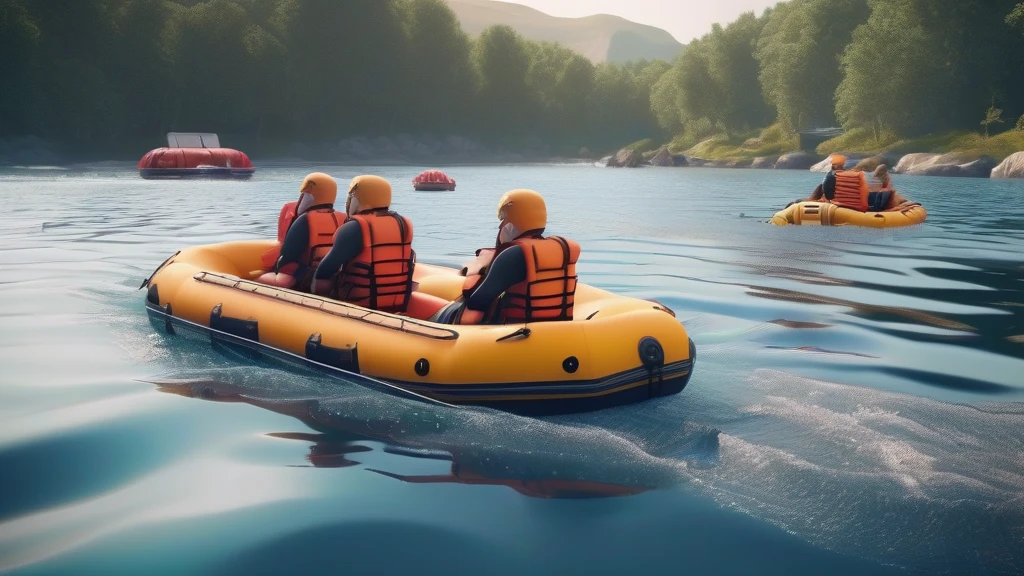
Towable rafts and tubes bring an exhilarating dimension to boating and water sports, offering everything from relaxing rides to adrenaline-pumping thrills. Whether you're a solo rider craving speed or a family seeking shared fun on the water, these vibrant and durable watercraft provide memorable experiences. However, as with any water activity, safety should always be a top priority. In this article, we’ll explore the top seven safety tips to help you maximize enjoyment while keeping everyone secure during your towable raft or tube adventures.
1. Choose the Right Towable for Your Group and Skill Level
Selecting an appropriate towable raft or tube is the foundation of a safe and enjoyable ride. Towables come in various sizes and designs, primarily differing by rider capacity and riding style:
- Rider Capacity: Towables range from single-rider models to large rafts accommodating groups of up to six people. For families or groups, larger multi-rider tubes promote social fun but require careful handling to ensure stability.
- Ride Style: Sit-in tubes offer enhanced security and balance, making them ideal for beginners or those seeking a more controlled ride. Lay-on-top designs maximize thrill and ease of use, favored by experienced riders who enjoy high-speed maneuvers.
Matching the tube’s size and style to your group’s experience and preferences helps reduce risks like falling off or tipping over, enhancing overall safety.
2. Always Wear a Coast Guard-Approved Life Jacket
Regardless of swimming ability or water confidence, wearing a properly fitted life jacket is essential when tubing or riding a towable raft. Life jackets:
- Provide buoyancy in case of falls
- Help prevent drowning in unexpected situations
- Are often required by law in many boating areas
Look for life jackets specifically designed for water sports, offering snug fits and freedom of movement. Avoid bulky or loose vests that may hinder quick recovery if you fall into the water.
3. Inspect Your Towable and Tow Rope Before Each Use
Before hitting the water, conduct a thorough safety check of your towable and tow rope to avoid equipment failure mid-ride:
- Towable Inspection: Examine the raft or tube for punctures, leaks, or worn seams. Check that all handles and grip points are secure and free from damage.
- Tow Rope Inspection: Ensure the towing rope is in good condition without frays or weak spots. Use ropes designed for towing and rated for the intended weight and speed.
A small tear or weak rope can lead to sudden detachment, posing significant danger to riders.
4. Attach the Towable Securely and Use Proper Towing Techniques
Correct attachment and towing practices are critical for control and safety on the water:
- Use designated tow points on both the boat and the tube, often reinforced for durability.
- Avoid tying ropes to unsafe parts of the boat, such as railings, which may fail under stress.
- Use quick-release connectors or snaps designed for water sports to allow rapid detachment if necessary.
- Maintain clear communication between the boat operator and riders with agreed-upon hand signals for starting, stopping, slowing down, or emergencies.
- Start towing at slow speeds and gradually accelerate to allow riders to stabilize.
Following these steps minimizes the risk of accidents caused by sudden jerks or improper rigging.
5. Stay Within Safe Speeds and Avoid Rough Water Conditions
While high speeds can increase excitement, they also increase risk. Adhering to safe speed limits appropriate for your towable’s design, rider experience, and water conditions is vital:
- Beginners should keep speeds moderate to maintain control.
- Experienced riders can enjoy faster speeds but should remain cautious.
- Avoid towing in choppy or rough water, which can cause unpredictable tube behavior.
- Steer clear of areas with heavy boat traffic, shallow waters, or underwater hazards.
Safe speeds and calm conditions help prevent falls, collisions, and injuries.
6. Maintain Clear Visibility with Vibrant Towables and Proper Positioning
Towable rafts and tubes often come in bright colors like yellow, red, blue, and orange to enhance visibility on the water. This is not just an aesthetic choice but a vital safety feature:
- Bright colors ensure that other boaters and watercraft easily see your towable, reducing collision risks.
- Riders should stay within the driver’s line of sight at all times.
- Avoid towing near docks, swimmers, or obstacles where visibility is limited.
Combining vibrant towables with smart positioning creates a safer environment for everyone on the water.
7. Follow Local Regulations and Practice Responsible Boating
Finally, complying with local water safety laws and practicing responsible boating behavior is essential for a safe tubing experience:
- Know and follow speed limits, wake zones, and restricted areas.
- Use spotters on the boat to watch riders continuously.
- Avoid alcohol consumption by both the boat operator and riders.
- Never overload the towable beyond its recommended capacity.
- Keep a safe distance from other boats, swimmers, and fixed structures.
Respecting these guidelines minimizes accidents and ensures a fun outing for all participants.
Conclusion
Towable rafts and tubes add excitement, social engagement, and adventure to any boating excursion. By selecting the right towable, using proper safety gear, inspecting equipment, and following safe towing practices, you can enjoy thrilling rides while keeping risks at bay. Remember, vibrant colors and durable designs enhance visibility and reliability, but your vigilance and adherence to safety tips make all the difference on the water. With these seven safety tips in mind, your next tubing adventure can be both unforgettable and secure for everyone involved.