
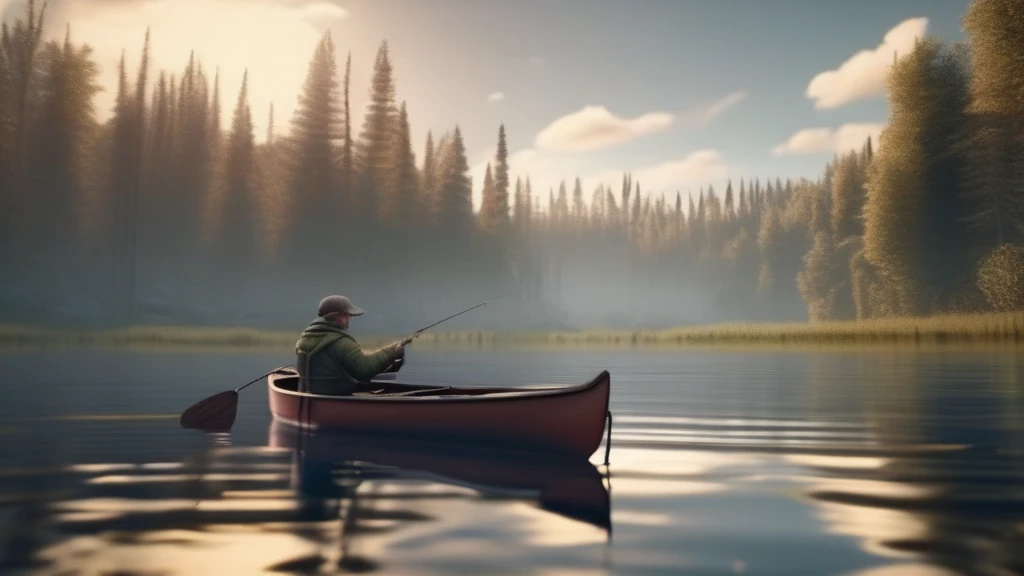
Fishing from a canoe offers a unique blend of tranquility, mobility, and access to prime fishing spots that larger boats often can’t reach. Whether you’re casting lines on a calm lake or drifting along a slow-moving river, choosing the right fishing canoe and organizing your gear effectively are key to a successful and enjoyable outing. This guide dives into the essential features to consider when selecting a fishing canoe, along with practical tips for keeping your equipment organized and accessible on the water.
Why Choose a Fishing Canoe?
Canoes are lightweight, versatile, and quiet watercraft that allow anglers to reach shallow or narrow areas where fish often congregate. Unlike motorized boats, canoes provide a low-impact, eco-friendly way to explore waterways, helping you stay close to nature while minimizing disturbances to fish habitats. However, fishing from a canoe requires attention to stability, space, and gear management to ensure safety and convenience.
Key Features to Look for in a Fishing Canoe
1. Stability and Hull Design
Stability is paramount when fishing, as you’ll often need to stand, cast, or move within the canoe. Look for hull shapes designed to maximize balance:
- Flat Bottom Hulls: Offer excellent initial stability, making it easier to stand and move around. Ideal for calm waters like lakes and gentle rivers.
- Shallow Arch Hulls: Provide a good balance between stability and maneuverability.
- Asymmetrical Designs: Help with tracking in a straight line while maintaining lateral stability.
Avoid deep V-bottom hulls if you prioritize stability over speed, as they tend to be less steady for fishing activities.
2. Durable, Lightweight Materials
Fishing canoes should be robust enough to handle gear and occasional bumps against rocks or docks, yet light enough to transport easily. Popular materials include:
- Royalex: Known for impact resistance and durability, making it great for rugged river environments.
- Fiberglass and Kevlar Composites: Lightweight and stiff, these materials provide excellent performance and speed, though they require careful handling.
- Marine-Grade Polyethylene: Highly durable and low maintenance, perfect for anglers who want a tough, no-fuss canoe.
- Aluminum: Extremely durable and abrasion-resistant, but heavier and noisier on the water.
Inflatable fishing canoes are also gaining popularity due to their portability, using reinforced vinyl or Hypalon materials, though they may offer less rigidity and stability than hard-shell options.
3. Comfortable and Adjustable Seating
Fishing trips can stretch for hours, so seating comfort is crucial. Features to look for include:
- Padded Seats: Provide cushioning for long periods of sitting.
- Adjustable or Swivel Seats: Allow you to change positions easily and cast from different angles.
- Elevated or Stand-Assist Seats: Help anglers stand more confidently while fishing.
Webbed or cane seats add traditional charm and breathability but may lack padding.
4. Ample and Secure Storage Solutions
Efficient gear storage keeps your fishing essentials organized and dry. Key storage features include:
- Dry Storage Hatches: Waterproof compartments to protect electronics, tackle boxes, and personal items.
- Gear Tie-Down Points and Bungee Cords: Secure rods, coolers, and other bulky gear to the canoe.
- Rod Holders and Mounting Points: Dedicated spots for fishing rods free up your hands and reduce clutter.
- Built-in Cup Holders and Accessory Trays: Useful for keeping small items within reach.
5. Portability and Transport Aids
Since fishing often involves carrying your canoe to launch points, consider features that make transportation easier:
- Carry Yokes and Shoulder Harnesses: Distribute weight evenly, reducing strain during portaging.
- Removable or Foldable Components: Some models offer detachable seats or removable gunwales for compact storage.
- Portage Wheels: Useful accessories that attach to the hull and help you roll the canoe over short distances.
Inflatable canoes shine here, often packing down into compact carry bags, but require a pump and setup time.
6. Safety Certifications and Warranty
Look for canoes that meet recognized safety standards such as ISO, TÜV, or CE certifications. These indicate the canoe has undergone rigorous testing for durability and performance. Additionally, a solid warranty—ranging from one year to lifetime hull guarantees—provides peace of mind for your investment.
Tips for Organizing Your Fishing Gear Efficiently
A well-organized canoe setup enhances both safety and productivity on the water. Here’s how to keep your gear in order:
1. Categorize Your Equipment
Group your fishing gear into categories such as rods, tackle, bait, safety equipment, and personal items. Use waterproof containers or tackle boxes with compartments to separate lures, hooks, and lines, reducing the risk of tangles and loss.
2. Utilize Storage Compartments Strategically
Place frequently used items like your fishing rod, bait bucket, and pliers within easy reach near your seat. Store heavier gear towards the center and bottom of the canoe to maintain balance and stability.
3. Secure Loose Items
Use bungee cords or straps to secure coolers, dry bags, and other bulky equipment. Loose gear can shift unexpectedly, affecting canoe stability or causing damage.
4. Keep Safety Gear Accessible
Life jackets, whistles, and first aid kits should be stored in designated, easy-to-access spots. Consider attaching a small dry bag with emergency items to your life jacket or seat.
5. Leverage Multi-Functional Accessories
Invest in accessories that serve multiple purposes, such as rod holders that double as cup holders or tackle boxes that attach to the canoe’s gunnels. This minimizes clutter and maximizes usable space.
6. Pack Smart for Portability
Distribute weight evenly on both sides of the canoe and avoid overloading one end. When using inflatable canoes, pack your pump, repair kit, and paddle in a dry bag to keep everything together.
Final Thoughts
Selecting the right fishing canoe involves balancing stability, durability, comfort, and storage options to suit your preferred fishing environment and style. Paying attention to hull design, construction materials, seating comfort, and organizational features will enhance your fishing experience and safety on the water. Coupled with smart gear management, these considerations ensure that every fishing trip is as productive and enjoyable as possible.
By understanding these key features and adopting efficient organization strategies, anglers—from beginners to seasoned enthusiasts—can confidently explore serene waterways and make the most of their time on the water.