
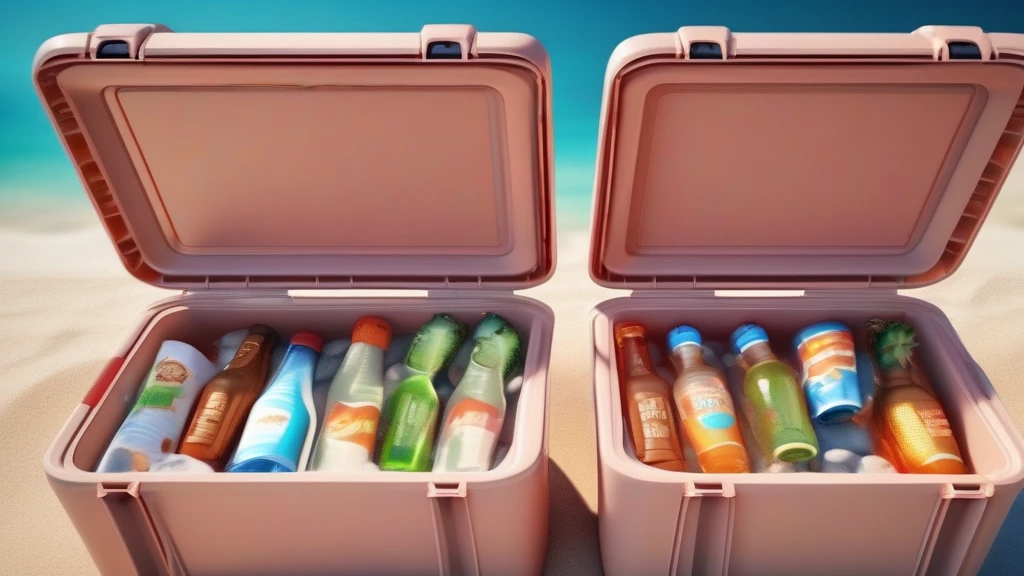
When planning a day at the beach or a lively poolside party, keeping your food and beverages chilled is essential for enjoyment and safety. Choosing the right cooler can make all the difference, ensuring drinks stay cold and snacks fresh throughout your outdoor event. With a wide range of coolers available—from hard-shell rotomolded units to soft-sided backpacks and electric options—understanding the key features to look for will help you select a cooler that fits your needs and lifestyle.
In this guide, we’ll explore the most important features to consider when shopping for coolers designed specifically for beach trips and poolside parties. Whether you’re packing for a family outing or entertaining friends, these insights will help you stay cool and organized.
Understanding Cooler Types: Matching Your Cooler to Your Activity
Hard-Shell vs. Soft-Sided Coolers
One of the first decisions is choosing between hard-shell and soft-sided coolers. Hard-shell coolers, often made using rotomolded plastic, are renowned for their durability and superior ice retention. They excel at withstanding rough handling, UV exposure, and beach sand abrasion, making them ideal for extended outdoor use. Many models also feature double-wall vacuum insulation that can keep ice frozen for up to 72 hours, perfect for long beach stays or multi-day trips.
Soft-sided coolers, typically constructed from high-density polyester nylon combined with EVA foam insulation, are lightweight and highly portable. They often include ergonomic backpack straps or shoulder handles, making them convenient for carrying short distances. Soft coolers are great for day trips or pool parties where mobility and ease of transport are top priorities, although they generally offer shorter ice retention times (around 12-24 hours).
Electric Coolers: Convenience Meets Technology
Electric coolers represent a modern alternative, using built-in thermoelectric or compressor systems to maintain consistent temperatures without ice. These are excellent for poolside parties where access to power sources is available, providing hassle-free cooling throughout the event. However, electric coolers tend to be heavier and pricier, and their run-time depends on battery life or vehicle power.
Essential Features for Beach and Poolside Use
Superior Insulation and Ice Retention
Long-lasting ice retention is a critical factor. Look for coolers with advanced insulation technologies such as:
- Double-walled vacuum-sealed insulation: Minimizes thermal exchange, keeping contents colder longer.
- Gel-based or hybrid insulation systems: Often found in soft coolers, these enhance ice retention without adding bulk.
- Thick insulated lids: Since lids are a common weak point for heat transfer, reinforced insulated tops can significantly improve performance.
Coolers with 24 to 72 hours of ice retention provide flexibility depending on the length of your outing.
Durability and Weather Resistance
Beach and pool environments expose coolers to sun, sand, water splashes, and rough surfaces. Durable materials and weatherproof features are essential:
- UV resistance: Protects cooler surfaces from fading and cracking due to sun exposure.
- Impact-resistant construction: Rotomolded hard coolers are especially tough against dents and drops.
- Waterproof or leakproof liners: Prevent spills and make cleaning easier after ice melts or sandy messes.
- Corrosion-resistant hardware: Stainless steel hinges, latches, and handles withstand salty air and moisture.
Portability and Convenience
Transporting your cooler easily can enhance the overall experience:
- Ergonomic handles and straps: Non-slip, padded handles reduce hand fatigue, while backpack straps free up your hands.
- Wheeled bases and telescoping handles: Ideal for heavier coolers or when navigating sandy beach paths.
- Compact and collapsible designs: Soft-sided or foldable coolers save space when not in use.
- Built-in features: Cup holders, bottle openers, removable dividers, and drain plugs improve usability at parties without extra accessories.
Size and Capacity
Choosing the right size depends on the number of guests and duration:
- Small coolers (up to 20 quarts): Perfect for solo beachgoers or couples, holding around 12-24 cans.
- Medium coolers (20-50 quarts): Suitable for families or small groups, balancing capacity and portability.
- Large coolers (50+ quarts): Great for bigger parties or extended trips, able to store large quantities of food and drinks.
Consider how much space you have in your vehicle and how far you’ll be carrying the cooler to avoid overpacking.
Eco-Friendly Materials and Sustainable Manufacturing
Sustainability is increasingly important in outdoor gear selection. Many coolers now incorporate environmentally conscious materials and practices:
- BPA-free and recyclable plastics: Ensures safety for food and reduces environmental impact.
- Durable construction: Long-lasting coolers reduce waste by minimizing the need for frequent replacements.
- Eco-friendly insulation: Some manufacturers use foam alternatives with lower environmental footprints.
- Ethical manufacturing: Brands adopting responsible labor and resource management contribute to sustainable consumer choices.
Choosing a cooler made with these considerations aligns with protecting the natural environments you enjoy.
Tips for Maximizing Cooler Efficiency and Organization
To get the best performance from your cooler during beach days or pool parties:
- Pre-chill the cooler: Place ice or cold packs inside the cooler for a few hours before loading food and drinks.
- Use block ice or large ice packs: They melt slower than crushed ice, extending cooling time.
- Keep the cooler in the shade: Avoid direct sunlight to reduce heat exposure.
- Minimize lid openings: Plan ahead to reduce the frequency and duration of opening the cooler.
- Organize contents: Use removable dividers or separate bags for beverages and perishables to optimize airflow and make items easy to find.
Maintenance and Cleaning Best Practices
Proper care keeps your cooler in top shape:
- Rinse after use: Remove sand, salt, and residue promptly to prevent staining and odors.
- Use mild soap and water: Avoid harsh chemicals that can degrade insulation or fabric.
- Air dry thoroughly: Prevent mold and mildew by leaving lids open to dry after cleaning.
- Store in a cool, dry place: Protect from extreme heat or moisture when not in use.
- Check seals and hardware regularly: Replace worn gaskets or broken latches to maintain leakproof performance.
Following these steps extends the lifespan and hygiene of your cooler.
Conclusion
Selecting the perfect cooler for beach trips and poolside parties involves balancing insulation performance, durability, portability, and eco-friendliness. Whether you prefer the rugged toughness of a hard-shell model, the lightweight convenience of a soft cooler, or the modern ease of an electric unit, understanding these key features empowers you to make informed decisions tailored to your outdoor lifestyle.
By focusing on advanced insulation technologies, weather-resistant materials, ergonomic portability, and sustainable manufacturing, you can enjoy refreshing beverages and fresh food no matter where your summer adventures take you. With proper usage and care, your cooler will be a dependable companion for many memorable outings ahead.