
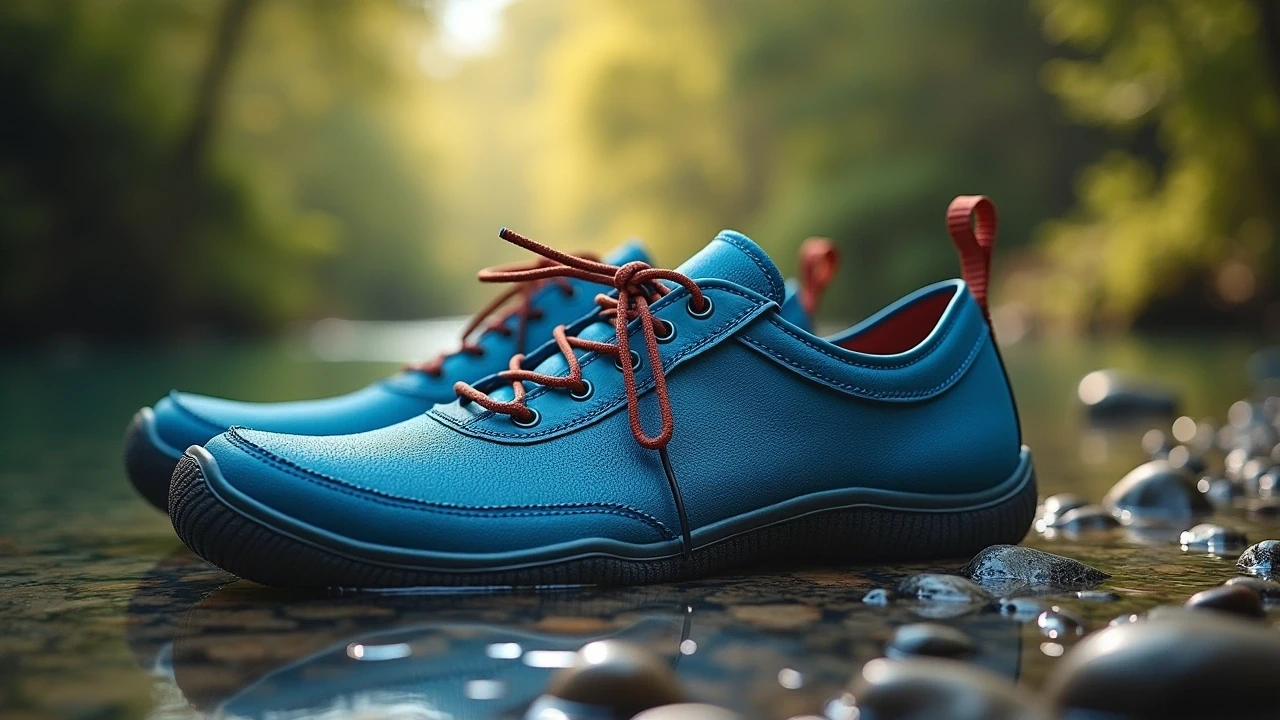
When gearing up for outdoor activities that involve water—whether it’s hiking along river trails, paddleboarding, or exploring rocky shorelines—choosing the right footwear is essential. Water shoes are specifically designed to handle wet environments and provide protection, comfort, and performance where ordinary shoes fall short. But with so many options on the market, how do you find the perfect pair that matches your activity, fits comfortably, and lasts through rugged use?
This guide breaks down the key features to look for when buying water shoes for outdoor adventures, helping you make an informed decision tailored to your lifestyle and needs.
Understanding the Purpose of Water Shoes
Water shoes occupy a unique niche in footwear, blending qualities of athletic shoes, hiking boots, and swimwear. Their primary function is to protect your feet from sharp rocks, slippery surfaces, and debris while allowing water to flow freely in and out of the shoe. This makes them ideal for activities such as:
- River and creek hiking
- Kayaking and canoeing
- Paddleboarding and surfing
- Beachcombing and tide pooling
- Trail running near water
Because water shoes must perform in wet and often unpredictable environments, their construction prioritizes quick drying, grip, and durability without sacrificing comfort.
Key Features to Consider for Water Shoes
1. Superior Drainage and Quick-Dry Materials
One of the most critical aspects of water shoes is their ability to manage moisture efficiently. Look for shoes that incorporate:
- Drainage ports or mesh panels: Strategically placed holes or mesh areas allow water to exit quickly, preventing your feet from feeling waterlogged and heavy.
- Breathable, quick-dry fabrics: Materials like neoprene, polyester mesh, or lightweight synthetic knits help the shoe dry faster while maintaining comfort and flexibility.
These features minimize discomfort, reduce the risk of blisters, and help maintain traction even when transitioning from wet to dry surfaces.
2. Non-Slip, Durable Outsoles
When walking on slippery rocks, muddy banks, or wet sand, reliable traction is non-negotiable. Water shoes should have soles made from high-traction rubber compounds with:
- Aggressive tread patterns: Multi-directional lugs or patterned soles enhance grip on wet and uneven terrain.
- Flexibility: The sole should bend naturally with your foot to maintain contact and stability.
- Abrasion resistance: Durable materials that withstand rough surfaces extend the lifespan of your shoes.
A sole that balances grip and flexibility allows you to move confidently without slipping or sacrificing comfort.
3. Protective Toe Caps and Reinforcements
Outdoor water environments often feature sharp rocks, shells, sticks, and other hazards that can injure unprotected feet. Many water shoes include:
- Reinforced toe caps: Rubber or synthetic overlays shield your toes from impacts and scrapes.
- Heel and side guards: Additional protective layers around the foot can prevent cuts and scrapes during hiking or climbing.
This protection is crucial for safety, especially when exploring natural waterways or rocky beaches.
4. Adjustable Closures for a Secure Fit
A well-fitting water shoe stays snug during active movement and water currents. Consider closure systems such as:
- Elastic laces with toggle locks: Allow quick adjustment and secure fit without the hassle of tying.
- Velcro straps: Provide easy on/off access and customizable tightness.
- Slip-on designs with stretch panels: Offer convenience, though potentially less adjustable.
The right closure system can prevent foot slippage inside the shoe, reducing friction and improving overall stability.
5. Ergonomic Design and Comfort Features
Since water shoes are often worn for extended periods, comfort is essential. Look for:
- Arch support and cushioned insoles: These features reduce fatigue and support natural foot alignment.
- Flexible midsoles: Allow natural foot movement for hiking or paddling without restricting mobility.
- Lightweight construction: Minimizes foot strain and improves agility in the water.
Comfort-driven designs ensure your feet stay happy even during long outdoor excursions.
6. UV Resistance and Environmental Durability
Exposure to sun and saltwater can degrade footwear materials quickly. To enhance durability:
- UV-resistant fabrics and coatings protect colors and materials from fading and weakening.
- Saltwater- and chlorine-resistant materials prevent premature wear for beach and pool use.
Durability features extend the life of your water shoes, making them a better investment for frequent adventurers.
7. Sustainable and Eco-Friendly Materials
Many modern water shoes incorporate environmentally responsible materials such as:
- Recyclable EVA foam midsoles
- Low-impact synthetic fabrics
- Non-toxic, water-based adhesives and coatings
If sustainability is important to you, seek out models that highlight eco-friendly manufacturing and materials, which reduce environmental impact without compromising performance.
Matching Features to Your Activity
Different water activities might require emphasis on certain features:
- For Hiking Near Water: Prioritize rugged soles with deep tread, protective toe caps, and durable fabrics resistant to abrasion.
- For Paddleboarding or Kayaking: Lightweight shoes with excellent drainage and quick-dry materials are ideal, along with secure closures to prevent loss in water.
- For Beach and Tide Pool Exploration: Look for shoes with flexible soles and enhanced ventilation to keep feet cool and comfortable.
Knowing your primary use will help you weigh these features accordingly.
Final Thoughts: Choosing the Right Water Shoes
Selecting the ideal water shoes involves balancing protection, comfort, and performance tailored to your outdoor adventures. Focus on drainage efficiency, grip quality, protective features, and fit adjustability to ensure your feet stay safe and comfortable. Don’t forget to consider the environmental impact of your purchase by exploring sustainable options.
By understanding these core features, you can confidently navigate the wide range of water shoes available and choose a pair that will support your active lifestyle on land and water alike. Whether you’re trekking rocky riverbeds, paddling across a lake, or wandering along the coast, the right water shoes can make all the difference in enjoying your adventure safely and comfortably.