
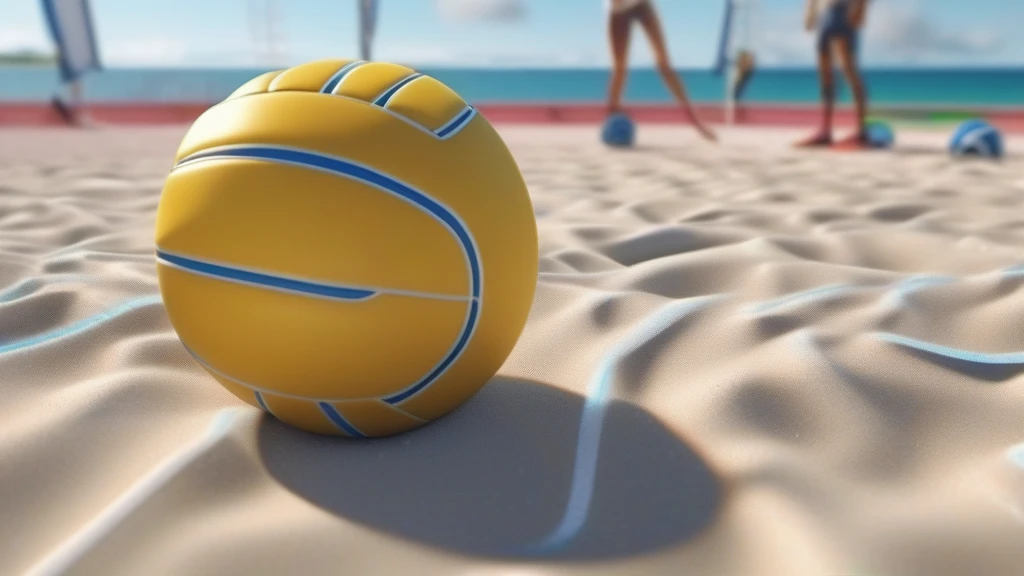
Volleyballs are engineered with precision to support competitive play, training, and recreational fun across various environments—from indoor courts to sandy beaches. Whether you’re a professional athlete, coach, or enthusiast, maintaining your volleyballs properly ensures they deliver consistent performance, durability, and longevity. This article provides actionable tips to keep your volleyballs properly inflated, preserve their materials, and ready for action whenever you step onto the court.
Understanding Your Volleyball’s Construction and Features
Before diving into maintenance, it helps to understand what makes a volleyball high-quality and how its components influence care requirements.
- Bladder Types: Most volleyballs feature either butyl or latex bladders. Butyl bladders excel in air retention, requiring less frequent inflation, while latex bladders offer a softer feel but may lose pressure more quickly.
- Cover Materials: Synthetic leather, composite leather, microfiber, and tear-resistant rubber covers impact durability and grip. Indoor volleyballs usually have a softer, microfiber surface, whereas beach volleyballs have tougher, waterproof, and UV-resistant coatings.
- Stitching and Panels: Reinforced stitching or high-tension panels enhance structural integrity. Proper care helps prevent panel separation or stitching damage over time.
- Surface Texture: Textured or anti-slip surfaces improve ball control in various conditions, but they can wear down with heavy use or improper cleaning.
Knowing these features guides how you maintain the ball to preserve its optimal performance.
Essential Inflation Practices
Maintaining the right air pressure is critical for consistent bounce, control, and feel. Here’s how to manage inflation effectively:
Use the Correct Pressure Level
Each volleyball has a recommended pressure range, typically printed on or near the valve. For official regulation balls, this usually falls between 4.3 to 4.6 psi (pounds per square inch). Using a pressure gauge when inflating ensures accuracy, which affects the ball’s flight and bounce characteristics.
Choose the Right Pump and Needle
Always use a pump with a compatible needle designed for sports balls. Before insertion, moisten the needle with water or saliva to reduce friction and prevent valve damage. Avoid forcing the needle if resistance is felt.
Inflate Slowly and Evenly
Rapid inflation can strain the bladder or seams. Inflate gradually, checking pressure frequently. Overinflating may cause the ball to become too hard and prone to bursting, while underinflating leads to poor bounce and control.
Regularly Check and Adjust Pressure
Volleyballs naturally lose air over time, especially latex-bladder models or balls used outdoors. Check pressure before each play session and adjust as needed. For training balls with adjustable pressure settings, tailor firmness to skill level and drill requirements.
Cleaning and Surface Care
Proper cleaning extends the life of your volleyball’s cover and maintains grip quality.
Use Mild Cleaning Solutions
Avoid harsh chemicals or abrasive cleaners that can degrade the surface or remove protective coatings. A soft cloth or sponge with mild soap and warm water is usually sufficient. Rinse thoroughly and dry with a clean towel.
Clean After Outdoor Use
Beach volleyballs or multi-surface balls often accumulate sand, dirt, or grass residue. Cleaning after each outdoor session prevents abrasive particles from damaging the ball’s texture or seams.
Avoid Prolonged Sun Exposure
UV rays can weaken synthetic materials and cause fading or brittleness over time. When not in use, store balls in a shaded, cool area away from direct sunlight.
Storage Tips to Maintain Shape and Durability
Proper storage protects your volleyball from environmental stressors and physical damage.
Store in a Cool, Dry Place
Extreme temperatures and humidity can compromise the bladder and cover materials. Avoid leaving volleyballs in hot cars, damp basements, or freezing conditions.
Use Ball Bags or Containers
Keeping volleyballs in dedicated bags or containers prevents unnecessary contact with sharp objects or rough surfaces that could cause punctures or scuffs.
Avoid Excessive Weight or Pressure
Do not stack heavy items on top of stored volleyballs to prevent deformation or panel separation.
Repair and Longevity Strategies
Even with the best care, volleyballs may suffer minor damage. Early intervention helps prolong usability.
Patch Small Holes or Leaks
Small leaks can be temporarily fixed using repair kits designed for sports balls. These kits typically include patches and adhesive to seal punctures.
Replace Needles and Pumps Regularly
Worn or bent needles can damage valves, causing air loss. Maintain your inflation equipment in good condition to avoid unnecessary wear on your volleyballs.
Rotate Balls During Training
Using multiple balls in practice distributes wear evenly, preventing premature deterioration of any single ball.
Special Considerations for Different Volleyball Types
Indoor Volleyballs
Indoor balls require a softer touch and are more sensitive to moisture and dirt. Clean them gently and avoid playing outdoors with indoor-specific balls.
Beach Volleyballs
Designed to withstand water, sand, and sunlight, beach volleyballs benefit from regular rinsing and drying after exposure to saltwater or sand.
Training Volleyballs
Training balls with adjustable pressure or lighter weight need frequent checks to match practice goals, ensuring players develop proper techniques without risking injury.
Conclusion
Keeping your volleyballs inflated, durable, and game-ready involves attentive care tailored to their materials and intended use. By following proper inflation routines, cleaning gently, storing thoughtfully, and addressing minor repairs promptly, you can maximize the lifespan and performance of your volleyballs. These maintenance habits not only protect your investment but also contribute to a better playing experience—whether on competitive courts, sandy beaches, or casual games.
Regular maintenance combined with understanding your volleyball’s specific construction will help you enjoy consistent bounce, reliable grip, and lasting durability through every serve, pass, and spike.