
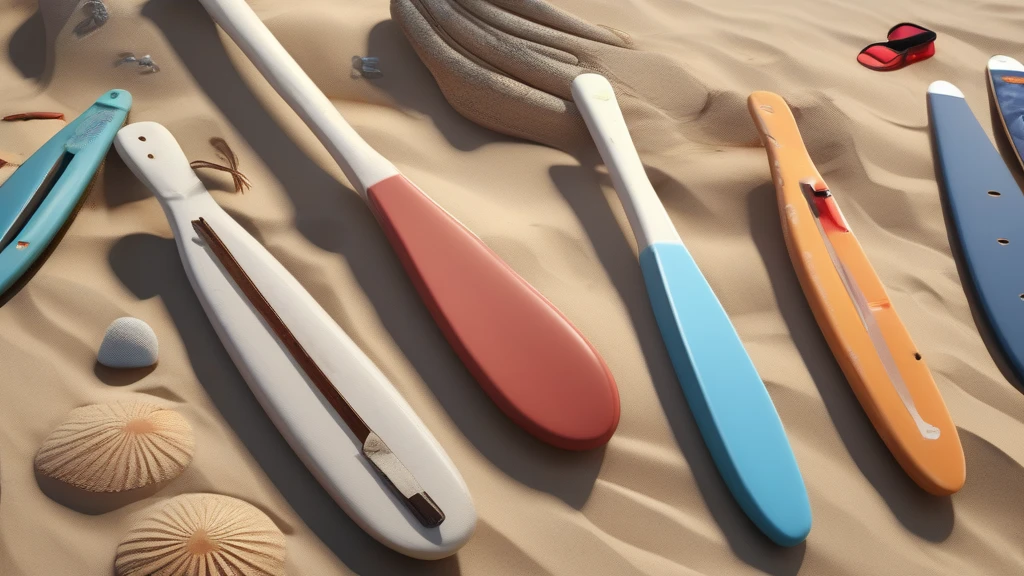
Paddles are essential tools for any boating or water sports enthusiast. Whether you enjoy leisurely kayaking, competitive racing, or fishing expeditions, a well-maintained paddle not only enhances your performance but also ensures safety and comfort on the water. With paddles made from diverse materials like carbon fiber, fiberglass, and sustainable wood, and featuring adjustable shafts and ergonomic grips, proper care is key to preserving their durability and efficiency. This article provides practical maintenance tips that help you extend the life and performance of your paddles, so you get the most out of your investment.
Understanding Your Paddle’s Construction and Features
Before diving into maintenance, it’s important to understand what makes up your paddle. Paddles typically consist of three main components:
- Shaft: Can be straight, bent, or oval-shaped for ergonomic efficiency. Materials include aluminum, fiberglass, carbon fiber, and wood.
- Blade: Shapes vary from dihedral to asymmetrical, flat, or curved, crafted from carbon fiber, nylon composite, fiberglass, or plastic.
- Grip: Ergonomic handles or grips improve stroke control and reduce fatigue.
Many paddles also come with features like adjustable or telescoping shafts for customizable length and folding or two-piece designs for portability. Knowing your paddle’s specific materials and design helps tailor your maintenance routine.
1. Rinse and Dry After Every Use
Water exposure, especially saltwater or muddy river water, can degrade paddle materials and hardware if not properly cleaned.
- Rinse thoroughly: After each outing, rinse your paddle with fresh water to remove salt, sand, algae, or debris. Salt crystals can cause corrosion on metal components and degrade finishes on wood or composites.
- Dry completely: Use a soft towel to dry the paddle, paying attention to joints, adjustable areas, and blade edges. Leaving moisture trapped can lead to mold growth or rust.
2. Inspect for Damage Regularly
Frequent inspection helps catch minor issues before they become major problems.
- Check blades for cracks or chips: Even small cracks can worsen with use, affecting paddle performance and safety.
- Examine shaft and joints: Look for dents, bends, or wear in adjustable sections and locking mechanisms.
- Assess grips: Worn or loose grips can impact comfort and control.
Addressing damage early through repairs or replacements prevents costly paddle failure during use.
3. Lubricate Moving Parts and Locks
Adjustable and folding paddles often include locking collars, hinges, and telescoping shafts that benefit from periodic lubrication.
- Use appropriate lubricants: Silicone-based sprays or marine-grade lubricants prevent corrosion without attracting dirt.
- Avoid oil-based lubricants: These can gum up and attract debris, especially in outdoor environments.
- Apply sparingly: Excess lubricant can drip onto paddling surfaces, creating slippery conditions.
Regular lubrication ensures smooth adjustment, easy assembly, and prolongs hardware lifespan.
4. Store Paddles Properly
How you store your paddle dramatically affects its longevity.
- Avoid prolonged sun exposure: UV rays degrade plastics, resins, and finishes on blades and shafts. Store paddles indoors or in shaded areas when not in use.
- Keep off the ground: Leaning paddles against rough surfaces can cause scratches or warping. Use paddle racks, wall mounts, or padded storage bags.
- Maintain proper alignment: For adjustable or multi-piece paddles, store assembled but unlocked or disassembled to reduce stress on locking mechanisms.
Proper storage prevents warping, fading, and mechanical wear.
5. Repair Minor Issues Promptly
Small repairs can extend paddle life significantly.
- Fill chips and cracks: Use appropriate epoxy or marine-grade repair kits for fiberglass or carbon fiber blades.
- Tighten loose grips or screws: Ensure all fittings are secure to maintain paddle integrity.
- Replace worn parts: Some paddles offer replacement blades, grips, or hardware—taking advantage of these options avoids full paddle replacement.
Consult product guidelines for compatible repair materials and methods.
6. Protect Wooden Paddles with Finishes
Wooden paddles require additional care to maintain their natural strength and appearance.
- Apply marine varnish or oil: Regularly coat wooden shafts and blades with protective finishes to prevent moisture infiltration and UV damage.
- Sand and refinish as needed: Light sanding before reapplying finishes keeps the surface smooth and durable.
- Avoid prolonged water submersion: Wood can swell or warp if left submerged in water.
These steps keep wooden paddles resilient and visually appealing season after season.
7. Use Paddle Bags and Accessories
Investing in paddle-specific accessories can safeguard your equipment during transport and storage.
- Paddle bags: Padded bags protect against scratches, impacts, and UV exposure.
- Repair kits: Carrying a compact repair kit on extended trips allows for quick fixes on the water.
- Blade covers: These prevent damage when paddles are stored or transported in crowded spaces.
Accessories add convenience and an extra layer of protection to your maintenance routine.
8. Follow Manufacturer Care Instructions
Each paddle’s materials and construction may require unique maintenance approaches.
- Consult manuals: Manufacturer guidelines often provide specific recommendations for cleaning, lubrication, and repairs.
- Adhere to warranty terms: Proper maintenance is crucial for preserving warranty coverage and product safety certifications.
- Seek professional service if needed: For complex repairs or adjustments, professional paddle shops can ensure high-quality care.
Following expert advice maximizes paddle lifespan and performance.
Conclusion
Proper maintenance of your paddles is essential not only to extend their lifespan but also to ensure optimal performance, safety, and comfort during every outing. By rinsing and drying your paddle after use, inspecting for damage regularly, lubricating moving parts, storing correctly, and promptly addressing minor issues, you can keep your paddle in excellent condition. For wooden paddles, protective finishes are vital, and using accessories like paddle bags adds an extra layer of security. Always refer to manufacturer guidelines to tailor your care routine to your paddle’s specific materials and features.
With consistent care, your paddle will remain a reliable companion for all your boating and water sports adventures—whether you’re exploring calm lakes, challenging whitewater, or long-distance touring. Investing time in maintenance today means more enjoyable, safe, and efficient paddling experiences tomorrow.