
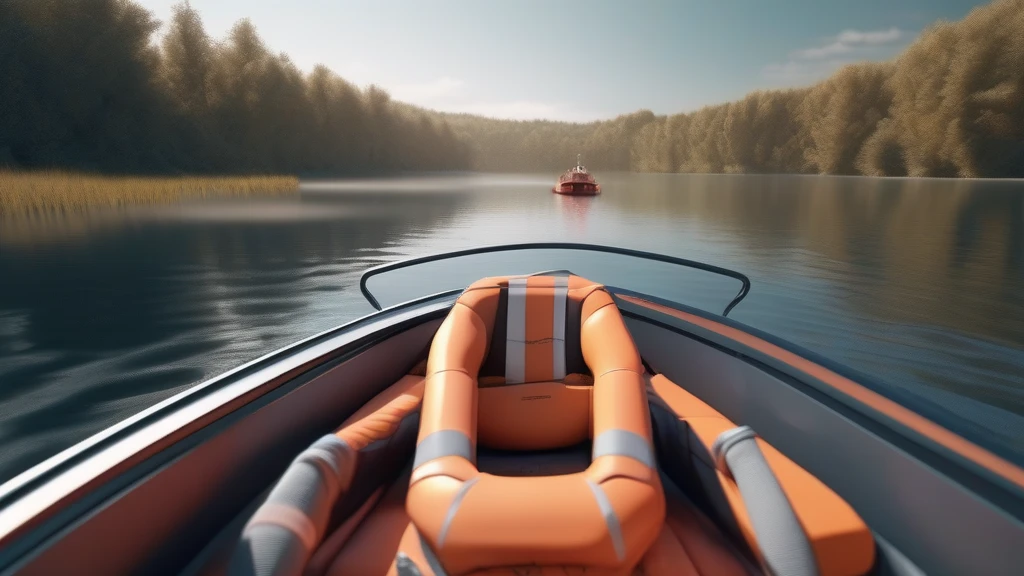
Ensuring safety on the water begins with choosing the right life jacket. Whether you're a casual paddler, an avid fisherman, or a professional mariner, understanding the essential safety features of life jackets is critical to protecting yourself and others during aquatic activities. This guide breaks down the key safety elements to look for before purchasing a life jacket, empowering you to make informed decisions that enhance your on-water safety.
Understanding the Importance of Life Jacket Safety Features
Life jackets, also known as personal flotation devices (PFDs), come in various designs tailored to different activities and environments. While buoyancy is the fundamental function of any life jacket, modern PFDs incorporate numerous safety features that improve visibility, comfort, reliability, and emergency readiness. Selecting a life jacket equipped with these features can greatly increase your chances of staying safe in unexpected situations on the water.
Key Safety Features to Consider
1. Appropriate Buoyancy and US Coast Guard Approval
The primary safety function of a life jacket is to provide sufficient buoyancy to keep the wearer afloat, ideally with the head above water. Life jackets are classified by the U.S. Coast Guard into types (I through V), each designed for specific conditions and activities:
-
Type I (Offshore Life Jackets): Maximum buoyancy (22+ pounds), suitable for rough or remote waters where rescue may be delayed. These jackets turn an unconscious wearer face-up.
-
Type II (Near-Shore Vests): Moderate buoyancy (15.5–22 pounds), designed for calm, inland waters with quick rescue potential.
-
Type III (Recreational Vests): Standard buoyancy (15.5 pounds), intended for conscious users engaged in water sports close to shore.
-
Type IV (Throwable Devices): Cushions or ring buoys meant to be thrown to a person in the water but not worn.
-
Type V (Special Use Devices): Designed for specific activities, such as kayaking or windsurfing, often with additional features.
Choosing a life jacket with the proper buoyancy rating and Coast Guard certification ensures it meets stringent safety standards suited to your activity and environment.
2. High-Visibility Colors and Reflective Elements
In emergencies, being seen by rescuers is crucial. Life jackets featuring bright, high-visibility colors such as fluorescent orange, yellow, or red significantly improve detection in various water and weather conditions. Complementing these colors are reflective tapes or glow-in-the-dark strips strategically placed on the front, back, and shoulders of the jacket. These reflective elements enhance visibility during low light or nighttime rescues, increasing your chances of prompt assistance.
3. Adjustable and Secure Fastening Systems
A life jacket must fit securely to function effectively. Look for jackets equipped with reinforced buckles, adjustable straps around the waist, chest, and shoulders, and quick-release mechanisms that balance safety with ease of use. Adjustable straps ensure a snug fit for different body shapes and sizes, preventing the jacket from slipping off or riding up in the water. Quick-release buckles are especially important for emergency situations, allowing fast removal or adjustment without complicated maneuvers.
4. Durable, UV-Resistant, and Water-Resistant Materials
Life jackets are exposed to harsh marine environments including sun, saltwater, and rough surfaces. Durable fabrics such as ripstop nylon, marine-grade vinyl, and polyester enhance longevity and maintain structural integrity over time. UV-resistant coatings protect against sun damage that can weaken materials and fade colors, while water-resistant finishes help the jacket dry quickly and resist mildew buildup. These material qualities contribute to both safety and comfort during extended use.
5. Flotation Core Technology: Foam vs. Inflatable
Modern life jackets use different flotation technologies tailored to various activities:
-
Closed-cell foam: Traditional and reliable, foam cores provide consistent buoyancy without the need for inflation. They are maintenance-free and effective even if punctured.
-
Hybrid foam and inflatable bladders: Inflatable life jackets offer compactness and comfort, inflating manually or automatically upon immersion. Many combine foam for added safety in case of inflation failure.
Understanding these options helps you balance comfort, bulk, and safety. Inflatable jackets are popular among boaters who prioritize mobility but require awareness of proper maintenance and activation mechanisms.
6. Emergency Accessories: Whistles, Rescue Handles, and Light Mounts
Additional safety features can make a critical difference in emergencies:
-
Whistles: Integrated whistles allow wearers to signal for help audibly when visibility is limited.
-
Rescue handles: Sturdy grab handles on the shoulders or back facilitate quick recovery by rescue teams or fellow boaters.
-
Emergency light mounts: Some jackets include attachment points for waterproof strobe lights or glow sticks, enhancing nighttime visibility.
These accessories contribute to a comprehensive safety system beyond flotation alone.
7. Anti-Slip Designs and Comfort Features
A life jacket should stay in place during active water use. Anti-slip materials on the interior or shoulders prevent the jacket from sliding around, reducing distraction and maintaining optimal positioning. Comfort features such as breathable mesh panels, padded sections, and ergonomic cuts support longer wear times, encouraging continuous use which is vital during prolonged outings or emergency situations.
8. Portability and Storage Convenience
For many users, especially those engaging in travel or multiple water sports, portability is a practical safety consideration. Foldable or lightweight life jackets that pack compactly are easier to store and carry, increasing the likelihood they will be worn consistently. Some designs include storage pouches or straps for easy attachment to gear bags or boats.
Matching Safety Features to Your Activity
Different water sports and professions demand specific life jacket features:
-
Kayakers and paddleboarders benefit from streamlined, Type III or V jackets with high maneuverability and quick-release straps.
-
Offshore fishermen and mariners require Type I jackets offering maximum buoyancy, durability, and visibility in rough waters.
-
Family recreational users often prioritize comfort, moderate buoyancy, and vibrant colors for children’s life jackets.
-
Emergency rescuers look for robust rescue handles, integrated whistles, and reflective elements for rapid identification.
Understanding your primary water activities helps tailor your choice to features that enhance both safety and usability.
Conclusion
Selecting a life jacket equipped with essential safety features is an investment in your personal security on the water. Prioritizing proper buoyancy ratings, high-visibility materials, secure fittings, durable construction, flotation technology, and emergency accessories ensures you are well-prepared for various aquatic environments. By considering these key elements and matching them to your specific needs, you can confidently navigate waterways with greater peace of mind and safety assurance. Always remember: a well-chosen life jacket is the foundation of responsible and enjoyable water recreation.