
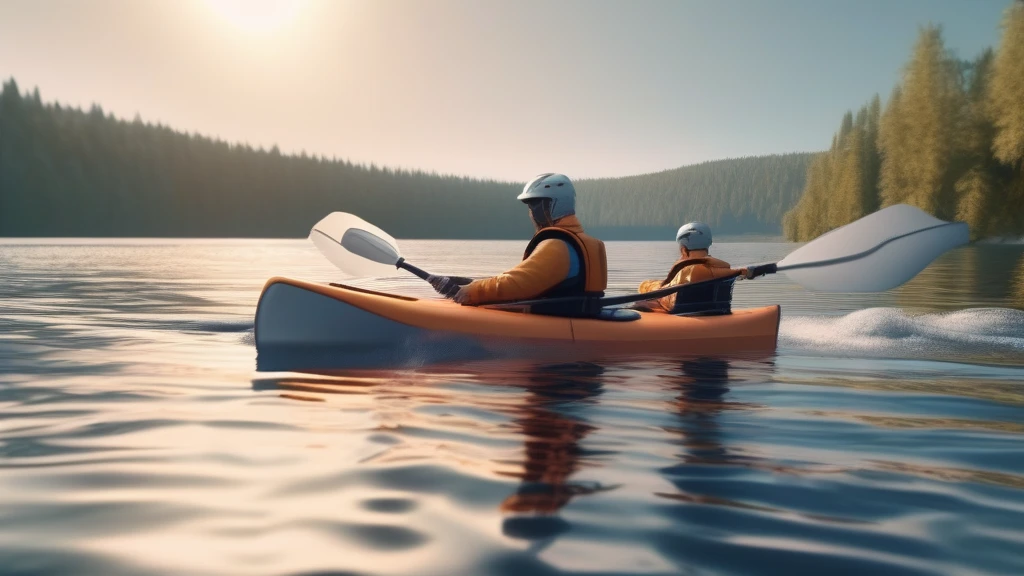
Tandem kayaks offer a fantastic way to share the joys of paddling with a partner, family member, or friend. Whether you’re gliding across a tranquil lake, navigating winding rivers, or tackling coastal waves, tandem kayaks provide versatility for recreational outings and performance adventures alike. However, sharing the water safely requires more than just paddling skills; understanding crucial safety tips and certification standards is essential for every tandem kayak owner.
In this article, we’ll explore key safety practices, explain important certifications, and offer practical advice to help you enjoy your tandem kayaking experiences with confidence and peace of mind.
Understanding Tandem Kayak Safety: Why It Matters
Kayaking, especially with multiple occupants, introduces unique safety considerations. Tandem kayaks are larger and heavier than solo models, which can impact stability, maneuverability, and rescue scenarios. Moreover, coordinating paddling efforts and communication between two or more people is vital to prevent accidents.
By prioritizing safety, tandem kayak owners can reduce risks such as capsizing, collisions, and gear loss while enhancing overall enjoyment. Being informed about safety features and certification standards also helps ensure that the kayak you choose meets recognized quality and reliability benchmarks.
Key Safety Tips for Tandem Kayak Owners
1. Always Wear Proper Personal Flotation Devices (PFDs)
Regardless of paddling experience or water conditions, wearing a US Coast Guard–approved life jacket is non-negotiable. Ensure each occupant has a well-fitting PFD designed for kayaking, offering comfort and freedom of movement. For families with children or pets, specialized PFDs are available to maximize safety without compromising mobility.
2. Choose the Right Kayak for Your Skill Level and Environment
Tandem kayaks come in various designs suited to different water conditions:
- Recreational models are ideal for calm lakes and gentle rivers, offering wide, stable hulls that accommodate beginners.
- Performance models feature sleeker hulls for better speed and agility, suitable for experienced paddlers on choppier water.
- Inflatable kayaks provide portability and easy storage but may require careful inflation and maintenance.
Selecting a kayak that matches your paddling skills and the environment reduces the likelihood of accidents.
3. Check Load Capacity and Balance Weight Distribution
Most tandem kayaks support loads between 400 and 600 pounds, including paddlers and gear. Overloading can compromise stability and increase capsizing risk. Distribute weight evenly between seats and secure gear using integrated bungee cords or dry storage compartments to maintain balance.
4. Know How to Handle Capsizing and Rescue Techniques
Even with stable designs, capsizing can happen. Familiarize yourself and your paddling partner with self-rescue methods, such as the wet exit, kayak roll, or assisted rescue techniques. Carrying a paddle float, bilge pump, and whistle enhances preparedness.
5. Use Safety Accessories and Communication Tools
Equip your tandem kayak with safety essentials like:
- Reflective tape or lights for visibility during low-light conditions
- Waterproof communication devices (e.g., VHF radio or fully charged mobile phone in a dry bag)
- First aid kit and repair kit for minor emergencies
Maintaining clear communication between paddlers using agreed-upon commands or signals helps coordinate movements and avoid mishaps.
Understanding Certification Standards for Tandem Kayaks
Certifications serve as trusted indicators of quality, safety, and environmental responsibility. Familiarizing yourself with these can help you choose a reliable tandem kayak.
1. US Coast Guard (USCG) Certification
In the United States, the USCG certifies kayaks to ensure they meet safety and performance criteria. USCG-certified kayaks undergo rigorous testing for flotation, stability, and structural integrity. A label or documentation confirming USCG approval means the kayak conforms to federally recognized safety standards.
2. International Organization for Standardization (ISO)
ISO standards focus on consistent product quality and safety across global markets. Many tandem kayaks comply with ISO 6185, which specifies requirements for small craft inflatable boats and kayaks, including durability, buoyancy, and stability.
3. TÜV and CE Certifications
TÜV (Technischer Überwachungsverein) is a German organization providing safety and quality certifications, often recognized in Europe. CE marking indicates compliance with European health, safety, and environmental protection directives. Tandem kayaks carrying these marks typically meet strict manufacturing and safety guidelines.
4. Environmental Certifications
Some tandem kayaks feature eco-friendly materials and manufacturing processes, certified by organizations promoting sustainability. Choosing environmentally certified kayaks supports conservation efforts and ensures the product is made with reduced ecological impact.
Material and Design Features That Enhance Safety
Understanding the materials and design aspects that contribute to a kayak’s safety helps you make informed choices.
-
Hull Materials: High-density polyethylene and rotomolded plastic offer rugged durability and impact resistance, protecting against punctures and abrasions. Fiberglass reinforced polymer provides a lightweight yet strong option, though it may be more prone to damage.
-
Inflatable PVC Models: These provide portability and ease of storage but require regular pressure checks to maintain optimal buoyancy and structural integrity.
-
Stable Hull Designs: Wider hulls increase stability, especially important for beginners or family outings. Tandem kayaks often include skegs or rudders to improve tracking and control in windy or choppy conditions.
-
Adjustable Paddles and Seating: Customizable paddles and comfortable, adjustable seats reduce fatigue and enhance paddling efficiency, indirectly contributing to safety by preventing exhaustion.
Practical Tips to Maintain Tandem Kayak Safety Over Time
Regular Inspection and Maintenance
Routine checks for cracks, leaks, hardware corrosion, and wear on paddles and accessories are essential. Inflatable kayaks require careful inspection of seams and valves. Addressing minor repairs promptly extends your kayak’s lifespan and reliability.
Safe Storage and Transportation
Store your kayak in a shaded, dry area to prevent UV damage and material degradation. Use proper supports to avoid warping hulls. When transporting, secure the kayak with appropriate straps and padding to prevent shifting or damage on the road.
Education and Training
Consider taking tandem kayaking courses or safety workshops that teach paddling techniques, rescue skills, and navigation. Practicing together builds teamwork and preparedness for unexpected situations.
Conclusion
Owning a tandem kayak opens the door to rewarding adventures on the water, shared with someone special. Prioritizing safety through proper use of personal flotation devices, understanding kayak capabilities, and adhering to certification standards ensures these outings remain enjoyable and incident-free. By selecting a well-designed, certified kayak and maintaining it diligently, you empower yourself and your paddling partner to confidently explore lakes, rivers, and coastal waters.
Whether you’re a beginner or an experienced paddler, embracing these safety tips and standards is a smart investment in your tandem kayaking journey. Happy paddling!