
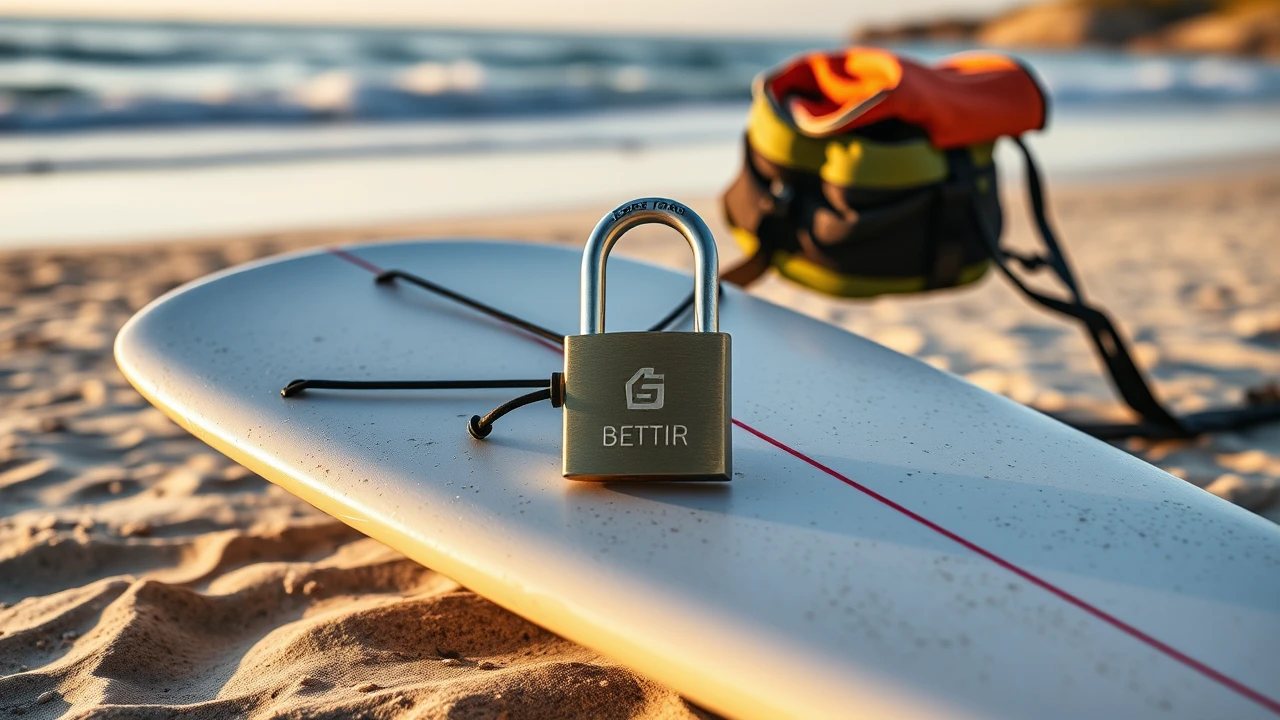
When you invest in surfboards, wetsuits, and other outdoor equipment, protecting your gear from theft becomes a top priority. Coastal and outdoor environments present unique challenges, including exposure to saltwater, sand, and unpredictable weather, which can quickly degrade ordinary locks. In this article, we’ll explore practical tips and important considerations for securing your surfboard and outdoor gear effectively using high-quality locks designed specifically for these conditions.
Understanding the Unique Security Needs of Surf and Outdoor Gear
Surfboards and outdoor equipment are often bulky, valuable, and left unattended for extended periods—making them prime targets for theft. Standard locks or improvised security measures typically fail under the harsh marine environment. Therefore, choosing the right locking solutions involves understanding the specific risks and environmental factors:
- Exposure to Corrosive Elements: Saltwater and humidity accelerate rust and corrosion, compromising lock integrity.
- Physical Impact and Abrasion: Locks may be subject to knocks, drops, or rubbing against rough surfaces like rocks or sand.
- Ease of Use: Locks must be convenient for quick securing and releasing during active sessions.
- Portability: Lightweight and compact designs ensure that locks don’t become a burden when carrying gear.
By addressing these factors through specialized hardware, surfers and outdoor enthusiasts can safeguard their investments more reliably.
Choosing the Right Type of Lock for Your Gear
Keyed Padlocks vs. Combination Padlocks
One of the first decisions is selecting between keyed and combination padlocks. Both have advantages depending on individual preferences and use cases:
- Keyed Padlocks
- Pros: Often offer higher security levels with more complex internal mechanisms that are harder to pick. Keys can be duplicated for trusted friends or backup.
- Cons: Risk of losing keys; carrying keys during active sessions can be inconvenient.
-
Best for: Users who prefer traditional locking, want maximum theft deterrence, or need locks for long-term unattended gear.
-
Combination Padlocks
- Pros: No key needed—eliminates risk of key loss; many models allow easy resetting of combinations for enhanced security.
- Cons: Some combinations may be vulnerable if simple codes are chosen; potentially less secure against sophisticated tampering.
- Best for: Those who want quick access without keys and prioritize convenience during frequent locking and unlocking.
Heavy-Duty and Marine-Grade Locks
Regardless of locking mechanism, heavy-duty construction is essential. Look for:
- Corrosion-Resistant Materials: Stainless steel, marine-grade brass, or specially coated metals resist rust and saltwater damage.
- Weatherproof Seals: Rubber or plastic covers on shackle and locking components prevent sand and moisture ingress.
- Robust Shackles: Thick shackles resist cutting, sawing, or prying attempts common in theft scenarios.
- Impact Resistance: Durable casing and hardened materials stand up to knocks and rough handling on beaches or trailheads.
These features ensure that the lock maintains functionality and security over time in challenging conditions.
Effective Strategies for Securing Your Surfboard and Gear
Locking Your Surfboard on the Beach
Surfboards are often stored on racks or laid on the sand while you’re in the water. To protect them:
- Use a marine-grade cable lock threaded through the board’s leash plug and secured to a fixed object like a bike rack or sturdy pole.
- Opt for a lock with a flexible yet tough cable to wrap securely without damaging the board.
- Avoid leaving your gear in isolated areas; choose spots with high visibility and foot traffic.
- Consider doubling security by using two locks or a lock plus a security tether.
Securing Outdoor Equipment Beyond Surfboards
For items like wetsuits, beach lockers, bikes, or gear bags:
- Select locks suitable for the item size and usage. For lockers and bags, compact combination locks offer easy access without keys.
- For bikes or larger equipment, heavy-duty keyed padlocks with thick shackles provide better protection.
- When storing gear overnight or for extended periods outdoors, reinforce security by locking multiple components (e.g., bike frame and wheels).
Additional Tips for Theft Deterrence
- Mark Your Gear: Use permanent markers or custom tags to make items less attractive to thieves.
- Keep Valuables Out of Sight: Use covered bags or lockers to conceal smaller items.
- Vary Your Locking Locations: Avoid locking gear always in the same spot to reduce targeted theft.
- Stay Vigilant: Regularly check gear and be aware of your surroundings.
Maintaining Your Locks for Long-Term Performance
Even the best locks require care to maintain security and usability:
- Regular Cleaning: Rinse locks with fresh water after exposure to saltwater and sand. Use a soft brush to clear debris.
- Lubrication: Apply a silicone-based lubricant inside the locking mechanism every few months to keep moving parts smooth.
- Inspect for Wear: Check shackles, cables, and housings for corrosion, cracks, or damage. Replace locks showing significant wear.
- Store Properly: When not in use, keep locks in dry, shaded places to prolong lifespan.
By keeping locks in top condition, you avoid unexpected failures and ensure that your gear stays protected.
Final Thoughts: Balancing Security, Convenience, and Durability
Protecting surfboards and outdoor gear against theft requires a thoughtful approach to lock selection and usage. Marine-grade, corrosion-resistant padlocks—whether keyed or combination—offer the durability and security needed for harsh coastal environments. Combining these with smart security habits, such as securing gear in visible spots and regular maintenance, greatly reduces risk.
Investing time in choosing the right lock type and adopting effective locking strategies pays off by preserving your valuable equipment and letting you enjoy your outdoor adventures with peace of mind. Remember, the best lock is one that you’ll consistently use correctly, withstands the elements, and fits your lifestyle.