
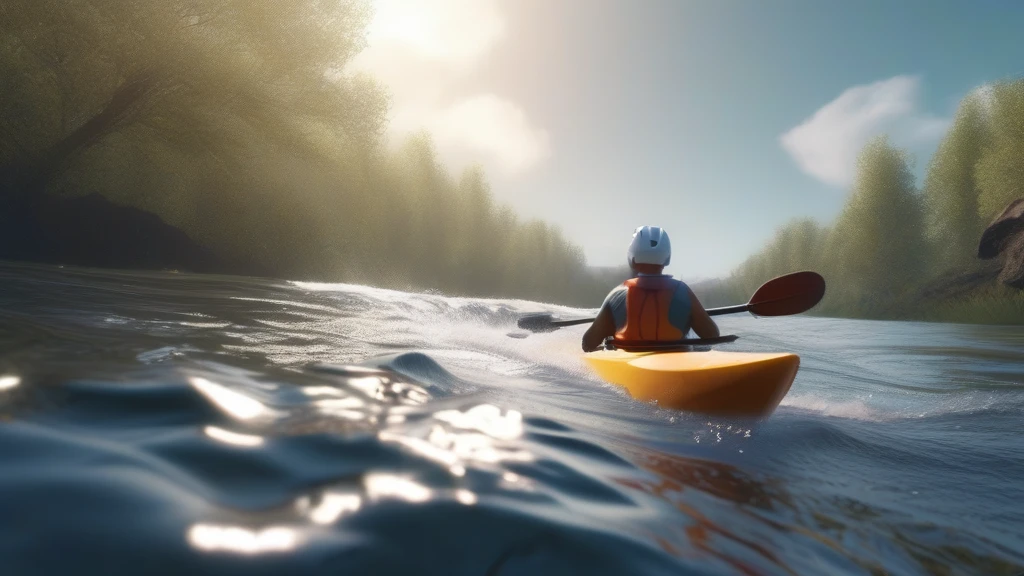
Slalom kayaking is a thrilling sport that demands precision, speed, and agility. Whether you're an intermediate paddler aiming to sharpen your skills or a competitive racer striving for peak performance, training effectively is essential to excel on the water. This article provides practical training tips tailored for slalom kayakers looking to enhance their speed and maneuverability through targeted exercises, technique refinement, and strategic practice.
Understanding the Demands of Slalom Kayaking
Before diving into training techniques, it’s important to appreciate what slalom kayaking entails. This discipline requires paddlers to navigate a rapid river course marked by gates, often against the clock. Success hinges on quick, controlled turns, acceleration out of bends, and maintaining balance in turbulent water. Slalom kayaks are typically lightweight and highly responsive, designed to maximize speed and control.
Training to improve in this sport involves more than just paddling harder—it’s about developing coordination, technique, strength, and mental focus.
Key Areas to Focus Your Training
1. Enhance Paddling Technique for Efficiency and Power
Efficient paddling reduces wasted energy and increases speed. To refine your technique:
- Work on Stroke Mechanics: Practice clean forward strokes with a focus on pulling water backward rather than downward. Engage your core and torso rotation instead of relying solely on arm strength.
- Master Bracing and Edge Control: Developing strong bracing strokes improves balance and prevents capsizing while maneuvering quickly. Edge control helps your kayak carve through turns with minimal drag.
- Drill Forward and Reverse Sweeps: These strokes are essential for tight turns around gates. Incorporate drills where you alternate between forward and reverse sweeps to build muscle memory.
2. Improve Agility with Dynamic Maneuvers
Slalom kayaking demands rapid changes in direction and speed. To boost agility:
- Practice Quick Turns and Pivot Strokes: Set up cones or markers in calm water and practice maneuvering around them using pivot turns. This simulates gate navigation.
- Incorporate Gates Training: If possible, train on a slalom course or recreate gates in a local river. Repeatedly navigating these will improve timing and precision.
- Use Interval Training: Combine sprint paddling with quick rest periods to mimic the bursts of speed and recovery in competitions.
3. Build Functional Strength and Endurance
Strength and endurance support sustained power and control during races:
- Focus on Core Stability: Core muscles stabilize your body and transfer power efficiently. Include exercises like planks, Russian twists, and medicine ball throws in your routine.
- Develop Upper Body Strength: Target shoulders, back, and arms with resistance training such as pull-ups, rows, and push-ups to enhance paddle strokes.
- Incorporate Cardiovascular Conditioning: Activities like running, cycling, or swimming improve overall cardiovascular fitness, aiding endurance on long courses.
4. Enhance Balance and Stability
Maintaining balance in turbulent water is critical:
- Practice Balance Drills: Use balance boards or stability balls off the water to improve proprioception.
- Perform On-Water Edge Exercises: Lean your kayak onto its edges and practice strokes without capsizing to build confidence and control.
- Train in Variable Water Conditions: Exposure to different water flows and obstacles helps you adapt quickly during races.
5. Mental Preparation and Focus
Slalom kayaking requires sharp mental acuity to make split-second decisions:
- Visualize the Course: Before paddling, mentally rehearse the route and your maneuvers.
- Develop Concentration Skills: Practice mindfulness or meditation to stay calm and focused during high-pressure moments.
- Analyze Performance: Record your runs and review them to identify areas for improvement.
Incorporating Equipment and Environment into Training
Choose the Right Slalom Kayak for Training
Your kayak’s design influences your ability to train effectively. Lightweight models constructed from carbon fiber or Kevlar offer responsiveness that enhances agility drills. Adjustable seating and footrests allow for optimal paddling posture, reducing fatigue.
Utilize Accessories to Maximize Training
- Spray Skirts: Keep water out during intense practice sessions, allowing you to focus on technique without distraction.
- Safety Gear: Wear helmets and buoyancy aids to protect yourself during challenging maneuvers.
- Transport Solutions: Portable kayaks or modular designs enable training in diverse locations, exposing you to varied water conditions.
Sample Training Routine for Speed and Agility
| Day | Focus | Activities |
|---|---|---|
| Monday | Technique & Maneuvers | Stroke drills, pivot turns, gates practice |
| Wednesday | Strength & Core | Resistance training, core exercises, balance drills |
| Friday | Interval & Endurance | Sprint intervals on water, cardio cross-training |
| Weekend | Course Simulation & Review | Full slalom runs, video analysis, mental visualization |
Consistency and progressive challenge are key—gradually increase the complexity and intensity of your drills as your skills improve.
Safety Considerations During Training
Training for slalom kayaking can involve fast-moving water and risk of capsizing. Always:
- Paddle with a partner or inform someone of your location.
- Check weather and water conditions before heading out.
- Use safety equipment such as helmets and personal flotation devices.
- Familiarize yourself with self-rescue techniques and emergency procedures.
Conclusion: The Path to Faster, More Agile Slalom Kayaking
Improving speed and agility in slalom kayaking is a multifaceted process involving technique refinement, physical conditioning, mental preparation, and smart use of equipment. By focusing on these core areas and maintaining a consistent, varied training regimen, you can enhance your performance on the course and enjoy the thrill of more confident, dynamic paddling.
Remember, progress takes time and deliberate practice. Embrace challenges as opportunities to grow, and let each training session bring you closer to mastering the exciting sport of slalom kayaking.