
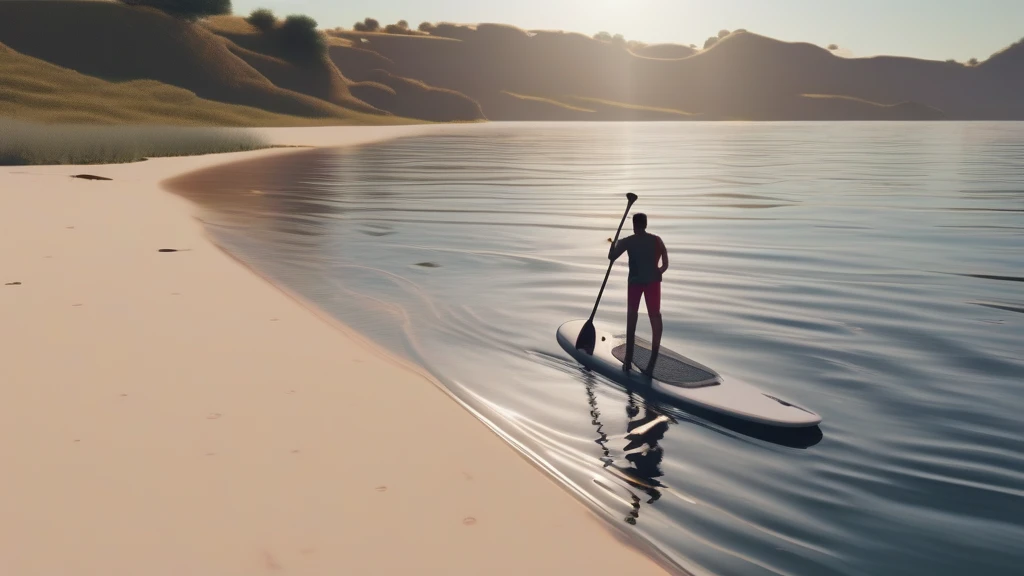
Stand-up paddleboarding (SUP) has evolved into a versatile water sport enjoyed by adventurers, fitness enthusiasts, and nature lovers alike. Among the various types of paddleboards, touring paddleboards stand out for their design optimized for long-distance paddling on lakes, rivers, and coastal waters. Whether you’re planning a day trip or a multi-day expedition, mastering touring paddleboards requires understanding the right techniques and tips to maximize efficiency, comfort, and safety.
In this article, we’ll explore the essentials of touring paddleboarding, focusing on board selection, paddling techniques, and practical advice to help you enjoy smooth and rewarding long-distance paddling.
What Makes a Touring Paddleboard Unique?
Touring paddleboards are specifically crafted for covering longer distances with greater speed and stability. Unlike recreational SUPs that prioritize stability for beginners or yoga boards that emphasize a wide, steady platform, touring boards balance multiple factors to enhance glide and tracking.
Key Design Features
-
Hull Shape: Most touring paddleboards feature a displacement hull or a hybrid hull design. A displacement hull has a pointed nose that slices through water efficiently, reducing drag and improving speed. Hybrid hulls combine a rounded nose with a flat planing tail, offering a balance between speed and maneuverability.
-
Length and Width: Touring boards are typically longer (11 to 14 feet) and narrower (26 to 30 inches) than recreational boards. The length helps maintain momentum, while the narrower profile reduces water resistance.
-
Fin Configuration: Many touring SUPs use a single large fin or a tri-fin setup to improve tracking on straight courses, which is crucial for maintaining direction over long distances with minimal effort.
-
Material and Construction: Weight plays a significant role in paddling efficiency. Touring boards are often made with lightweight, durable materials such as fiberglass, carbon fiber reinforcements, or high-quality drop-stitch inflatables with sturdy PVC coatings. Inflatable touring SUPs offer portability without sacrificing stiffness or durability.
Cargo Capacity and Accessories
Long-distance paddling often requires carrying extra gear such as water, food, safety equipment, and even camping supplies. Touring paddleboards usually include bungee storage areas and attachment points for waterproof bags, allowing paddlers to pack essentials securely.
Techniques for Efficient Long-Distance Paddling
Mastering the right paddling techniques can make a significant difference in endurance and speed during a touring session. Here are several tips for efficient long-distance paddling:
1. Adopt a Proper Stance
- Stand with your feet parallel and about hip-width apart, centered on the board.
- Keep your knees slightly bent to absorb water movement.
- Maintain a relaxed posture with your back straight to reduce fatigue.
2. Use the Correct Paddle Grip and Stroke
- Hold the paddle with one hand on the top grip and the other on the shaft, spaced comfortably apart.
- Initiate the stroke by reaching forward with the paddle blade fully submerged.
- Pull the paddle back alongside the board using your torso rotation rather than just your arms to engage core muscles.
- Exit the paddle from the water near your feet to maximize stroke length.
3. Maintain a Steady Rhythm
- Establish a consistent paddling cadence that suits your fitness level.
- Avoid short, choppy strokes that waste energy; instead, focus on longer, smooth strokes.
- Use alternating sides to maintain a straight course, unless you prefer to paddle on one side and use cross strokes to correct direction.
4. Practice Efficient Turns
- For long-distance routes, efficient turning is often necessary.
- Use sweep strokes (wide arcs) to turn gradually without slowing down.
- For sharper turns, combine sweep strokes with back paddling on the opposite side.
5. Manage Rest Periods
- Take short breaks by kneeling on the board or sitting cross-legged to reduce leg fatigue.
- Use breaks to hydrate and adjust your gear.
Inflatable vs. Solid Touring Paddleboards: What to Consider?
Choosing between an inflatable and a solid touring paddleboard depends on your priorities for portability, performance, and storage.
Inflatable Touring Paddleboards
- Pros: Lightweight, easy to transport, and compact when deflated. Modern drop-stitch construction offers remarkable rigidity comparable to solid boards.
- Cons: Slightly less efficient in glide and tracking compared to some rigid boards. Requires inflation before use and storage after deflation.
- Maintenance Tips: Rinse with fresh water after use, avoid prolonged UV exposure, and check for punctures regularly.
Solid Touring Paddleboards
- Pros: Superior glide and responsiveness due to rigid hulls. Generally faster and more stable in choppy conditions.
- Cons: Bulkier for transport and storage. Heavier, which can be a challenge for car or air travel.
- Maintenance Tips: Inspect for dings or cracks, store away from direct sunlight, and clean with mild soap and water.
Essential Safety and Preparation for Touring SUP Adventures
Long-distance paddling can expose you to changing weather, currents, and other watercraft, so preparation is key.
Safety Equipment to Carry
- Leash: Use a coiled or straight leash to stay attached to your board in case of falls.
- Personal Flotation Device (PFD): Many areas require wearing a PFD; inflatable or belt-pack types are popular for SUP.
- Whistle or Signaling Device: Useful for attracting attention in emergencies.
- Water and Snacks: Bring enough hydration and energy bars to maintain stamina.
- Sun Protection: Wear sunscreen, sunglasses, and a hat.
Checking Weather and Water Conditions
- Review wind forecasts and tide charts before setting out.
- Avoid paddling in strong offshore winds or rapidly changing weather.
- Plan your route with safe entry and exit points along the way.
Tips for Maximizing Your Touring Paddleboard Experience
- Train Your Core and Endurance: Strengthening your core muscles improves stroke power and stability. Incorporate SUP-specific fitness routines off the water.
- Practice Balance Exercises: Better balance reduces fatigue and improves control, especially in rough water.
- Use Layered Clothing: Dress appropriately for water temperature, choosing moisture-wicking and quick-drying fabrics.
- Pack Smart: Use waterproof dry bags and distribute weight evenly on your board.
- Learn Basic Repairs: Carry a small repair kit for inflatables or patch materials for solid boards to handle minor damages on the go.
Conclusion
Touring paddleboarding offers a wonderful way to explore waterways, enjoy nature, and challenge your endurance. By selecting the right board, mastering efficient paddling techniques, and preparing thoughtfully, you can extend your distance on the water while enhancing comfort and safety. Whether you choose an inflatable or solid touring SUP, investing time in learning and practicing these fundamentals will unlock the full potential of your paddling adventures.
With these insights and tips, you’re well-equipped to embark on your next long-distance paddleboarding journey with confidence and joy. Happy paddling!