
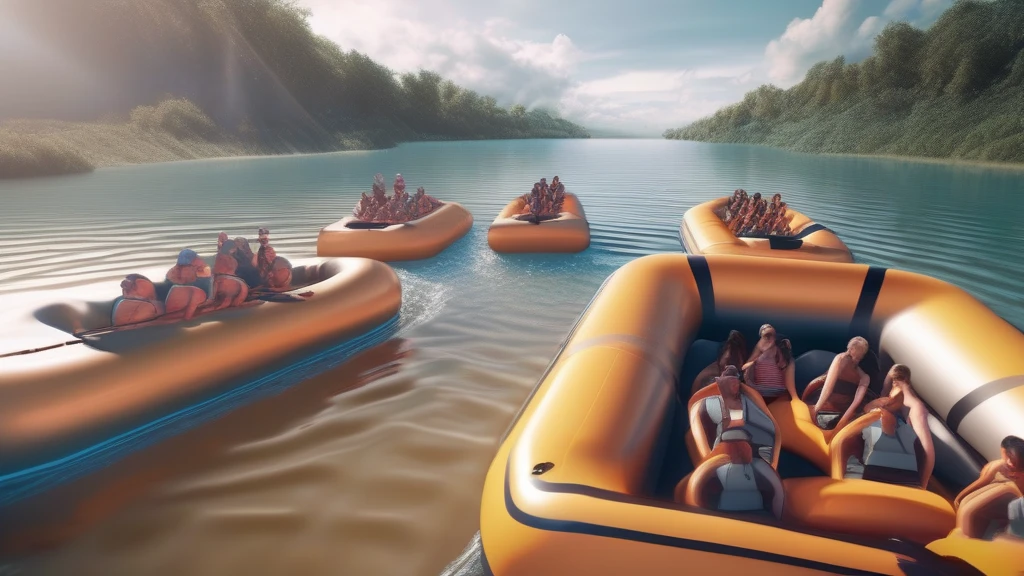
Towable rafts and tubes offer some of the most exciting ways to enjoy water sports, combining speed, splash, and social fun. Whether you’re an adrenaline junkie seeking high-speed thrills or a family looking for relaxing yet playful outings on the water, the variety of towable tubes available ensures there’s something for everyone. This article dives into a comprehensive comparison of the different types, materials, and styles of towable rafts and tubes, helping you make an informed choice for your next boating adventure.
Understanding Towable Rafts & Tubes
Towable rafts and tubes are inflatable watercraft designed to be pulled behind a boat. Their primary appeal is the exhilarating ride they provide, whether it’s a solo fast-paced pull or a leisurely group float. Key characteristics include:
- Rider Capacity: From single-rider tubes to large rafts accommodating up to six people.
- Ride Style: Sit-in models offering security and balance, and lay-on-top designs maximizing thrill and freedom of movement.
- Materials: High-quality, durable, water-resistant materials engineered to withstand impact and repeated use.
- Visibility: Bright colors such as yellow, red, blue, and orange to enhance safety on busy waters.
- Attachment: Quick, secure tow points ensuring easy setup and stable towing.
With these characteristics in mind, let’s explore the main categories and styles to see how they stack up.
1. Rider Capacity: Solo vs. Multi-Person Towables
Solo Towable Tubes
Best for: Individual riders craving adrenaline and speed.
Solo tubes are compact and lightweight, making them easy to tow and maneuver. Their smaller size allows for quick acceleration and agile turns behind the boat, perfect for thrill-seekers. Common features include:
- Ergonomic grips and padded seating to enhance rider comfort.
- Lay-on-top designs that let riders control their position and balance dynamically.
- Durable construction with reinforced seams and abrasion-resistant bottoms to handle high-impact rides.
Example use case: An experienced water sports enthusiast who enjoys fast, heart-pounding tubing on lakes or calm rivers.
Multi-Person Towable Rafts
Best for: Families and groups looking for shared fun and social interaction.
Multi-person rafts range from two to six riders, designed with spacious layouts and multiple seating or laying areas. These models typically feature:
- Sit-in designs with backrests and sidewalls for added security and stability.
- Multiple handles and grip points to accommodate several riders safely.
- Enhanced stability to prevent tipping, making them ideal for beginners or mixed-skill groups.
- Bright, multi-colored panels for high visibility.
Example use case: A family outing on a calm lake where parents and children can ride together, enjoying a slower, more relaxed tubing experience.
2. Ride Style: Sit-In vs. Lay-On-Top Towables
Sit-In Towable Rafts
Sit-in designs feature recessed seating areas that cradle the rider, providing more control and security during the ride. These rafts often have higher sidewalls and padded backrests, making them a good fit for:
- Beginners or younger riders requiring extra stability.
- Families who want a safer, more comfortable ride.
- Longer rides where comfort is a priority.
Advantages:
- Enhanced balance reduces the risk of falling off.
- Comfortable seating supports longer sessions on the water.
- Typically more stable at lower speeds.
Drawbacks:
- Less freedom to adjust body position mid-ride.
- May feel more restrictive for riders seeking maximum thrill.
Lay-On-Top Towable Tubes
Lay-on-top tubes allow riders to lie flat or kneel, maximizing the sense of speed and splash. They appeal to:
- Experienced riders who want a high-adrenaline experience.
- Solo riders who enjoy controlling their balance and posture.
- Those looking for a more open, less confined ride style.
Advantages:
- Greater freedom of movement.
- Easier to hop on and off.
- Often lighter and easier to tow.
Drawbacks:
- Less secure, posing a higher risk of falling at high speeds or rough waters.
- May require higher skill or confidence level.
3. Materials & Durability: What Keeps Towables Performing?
Towable rafts and tubes must endure frequent exposure to water, sun, and impact from waves or boat wakes. Quality materials and construction are critical.
- PVC Coated Fabrics: Most towables use heavy-duty PVC-coated nylon or vinyl, offering excellent water resistance and puncture durability.
- Reinforced Seams: Double or triple-stitched seams enhance structural integrity, preventing leaks.
- Abrasion-Resistant Bottoms: Some models feature rugged, high-friction bottoms to resist wear from docks, rocks, or sand.
- UV Protection: Fabric treatments help prevent fading and material degradation from sun exposure.
When shopping, look for these material specs to ensure your towable will last season after season. Proper maintenance—like rinsing off salt water and storing inflated or partially inflated in shade—also prolongs life.
4. Safety & Comfort Features
Safety is paramount in water sports. Towable rafts and tubes incorporate features such as:
- Multiple Grip Handles: Secure handholds allow riders to maintain their position and absorb shocks.
- Bright Colors: High-visibility hues like neon yellow, red, and blue improve boat operator awareness.
- Inflatable Backrests and Cushions: Enhance comfort and reduce fatigue on longer rides.
- Quick-Release Tow Connectors: Facilitate fast detachment in emergencies.
Comfort features often include ergonomic seat shapes, padded surfaces, and ventilated designs to keep riders cool and dry.
5. Ease of Use: Setup and Tow Compatibility
A user-friendly towable should offer:
- Quick Attachment Points: Durable tow points that attach securely to ropes or boat hooks.
- Compact Inflation/Deflation: Efficient valves that speed up setup and storage.
- Lightweight Design: Easier handling when carrying to and from the water.
These factors matter especially for families or casual users who prioritize convenience alongside fun.
Choosing the Right Towable for Your Needs
For Beginners and Families
- Opt for multi-person, sit-in towable rafts.
- Prioritize stable, comfortable designs with ample grip handles.
- Choose vibrant colors for visibility.
- Look for models with durable materials and reinforced seams.
For Solo Riders and Thrill Seekers
- Choose lay-on-top tubes with a streamlined shape.
- Focus on lightweight, durable materials.
- Seek models with ergonomic grips and quick-release tow connectors.
- Consider tubes designed specifically for high-speed maneuvering.
For Group Adventures
- Select larger rafts accommodating 4-6 riders.
- Ensure multiple handles and secure seating.
- Look for versatile designs combining sit-in comfort with lay-on-top flexibility.
- Verify compatibility with your boat’s towing capacity.
Maintaining Your Towable Tube or Raft
Proper care extends the life of your towable:
- Rinse thoroughly with fresh water after each use to remove salt, dirt, and debris.
- Dry completely before storage to avoid mold and mildew.
- Inspect seams and valves regularly for leaks or damage.
- Store in a cool, shaded area away from direct sunlight and sharp objects.
- Use repair kits promptly for minor punctures.
Conclusion
Towable rafts and tubes are a fantastic way to inject excitement and camaraderie into your boating adventures. Understanding the differences between rider capacities, ride styles, materials, and safety features helps you select the best towable for your recreational needs. Whether you’re seeking a solo adrenaline rush or a fun-filled family outing, there’s a towable tube or raft designed to deliver memorable moments on the water with style, safety, and durability.
By focusing on key product characteristics—such as vibrant visibility, robust materials, ergonomic design, and ease of use—you can confidently choose a towable that matches your skill level and recreational goals. So get ready to make waves and enjoy the thrill of being towed across lakes, rivers, or coastal waters with the perfect towable companion.