
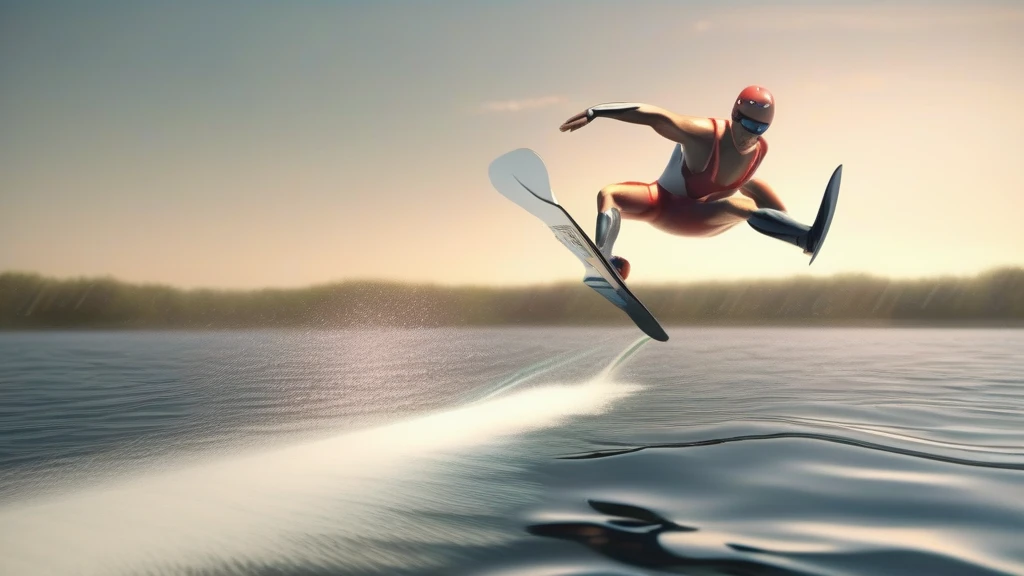
Trick water skiing is a thrilling and highly technical sport that demands exceptional balance, agility, and control. Whether you’re just starting your journey or aiming to refine your freestyle maneuvers, honing these physical attributes is essential to mastering spins, flips, and other dynamic moves on trick water skis. This article explores effective training drills designed specifically to enhance your performance on the water, helping you build the foundation for executing complex tricks safely and confidently.
Understanding the Physical Demands of Trick Water Skiing
Before diving into training drills, it’s important to grasp the unique physical requirements of trick water skiing. Unlike traditional water skiing, trick skiing focuses on rapid directional changes, precise footwork, and aerial maneuvers. The sport requires:
- Exceptional balance: Maintaining stability on a compact, lightweight ski during spins and jumps.
- Agility: Quick, controlled movements to transition between tricks fluidly.
- Core strength and control: Essential for posture maintenance and absorbing impact.
- Lower body strength: For edging, carving, and executing jumps with power.
Training drills should therefore target these areas to build the muscle memory and coordination needed for top performance.
Balance Training Drills for Trick Water Skiing
1. Single-Leg Balance Exercises
Single-leg stability is crucial for trick skiing, where weight shifts constantly. Practice standing on one leg for extended periods, gradually increasing difficulty by:
- Closing your eyes to enhance proprioception.
- Using a balance pad or BOSU ball to simulate unstable surfaces.
- Incorporating upper body movements like arm raises or torso twists.
This trains the small stabilizer muscles around your ankles and knees, improving your ability to stay balanced during spins and landings.
2. Balance Board or Indo Board Training
Balance boards mimic the instability of water skiing and are excellent for developing dynamic balance. Try the following:
- Rocking side to side and front to back to simulate edging movements.
- Performing controlled squats while balancing.
- Practicing quick weight shifts to replicate rapid direction changes.
Regular sessions on a balance board enhance neuromuscular coordination, preparing your body to react swiftly on the water.
Agility Drills to Boost Quickness and Precision
1. Ladder Drills
Agility ladders improve foot speed, coordination, and timing—key for fast transitions between tricks. Popular patterns include:
- Two-feet-in-each-box runs.
- Lateral side steps.
- In-and-out hops.
Focus on light, precise footwork and controlled landings to simulate the rapid movements required on trick skis.
2. Cone or Marker Drills
Set up cones in varied patterns and practice quick directional changes:
- Zigzag runs.
- Figure-eight patterns.
- T-drills involving forward, lateral, and backward movements.
These drills enhance your ability to execute sharp turns and maintain control during complex tricks.
Core and Lower Body Strengthening for Control and Power
1. Planks and Variations
A strong core stabilizes your body during spins and landings. Incorporate:
- Front planks with shoulder taps.
- Side planks with leg lifts.
- Dynamic plank walks.
Aim for controlled, static holds and smooth transitions to build endurance and stability.
2. Squats and Lunges
Lower body strength supports edging and takeoff power:
- Bodyweight squats focusing on form and depth.
- Walking lunges with emphasis on knee alignment.
- Jump squats to develop explosive power.
These exercises help you generate the force needed for jumps while maintaining balance.
On-Water Drills to Translate Training into Skill
1. Edge Control Practice
Use calm water conditions to practice edging by:
- Alternating between inside and outside edges while skiing straight.
- Gradually increasing lean angles to improve ski responsiveness.
- Holding edge positions mid-turn to develop muscle memory.
This improves your ability to maintain stability and generate speed during tricks.
2. Controlled Spins and Turns
Start with slow 180-degree turns and progress to 360-degree spins:
- Focus on smooth weight shifts and upper body rotation.
- Use adjustable fins on your trick skis to find optimal control.
- Practice landing with knees bent to absorb impact.
Incremental progression builds confidence and balance in rotational maneuvers.
3. Small Jump Attempts
Begin with low, controlled jumps:
- Approach the wake at moderate speed.
- Use proper body positioning to initiate lift.
- Land softly with knees flexed and weight centered.
These repetitions develop timing and control for more advanced aerial tricks.
Tips for Maximizing Training Effectiveness
- Warm up thoroughly: Dynamic stretching prepares muscles and joints for demanding movements.
- Include flexibility work: Hip, ankle, and lower back mobility improve range of motion and reduce injury risk.
- Cross-train: Activities like yoga, Pilates, or balance-focused sports complement on-water skills.
- Use proper equipment: Lightweight, adjustable trick water skis with supportive bindings enhance training and performance.
- Practice consistently: Regular sessions build muscle memory and confidence over time.
Safety Considerations During Training
Balancing the challenge of training with safety is essential:
- Always wear a well-fitted, Coast Guard–approved life vest.
- Train in calm water conditions with a spotter present.
- Avoid overtraining to prevent fatigue-related injuries.
- Progress gradually to more difficult drills to reduce fall risk.
Implementing safety measures helps you stay injury-free while improving your skills.
Conclusion
Improving balance, agility, and control on trick water skis requires a combination of targeted off-water exercises and focused on-water practice. Through consistent balance drills, agility training, core and leg strengthening, and progressive trick execution, skiers can develop the physical foundation necessary for fluid and confident maneuvers. By integrating these training techniques into your routine and prioritizing safety, you set yourself on a path toward mastering the exciting world of trick water skiing. Whether you’re preparing for recreational freestyle fun or competitive performance, building these essential skills equips you to push your limits and enjoy every moment on the water.