
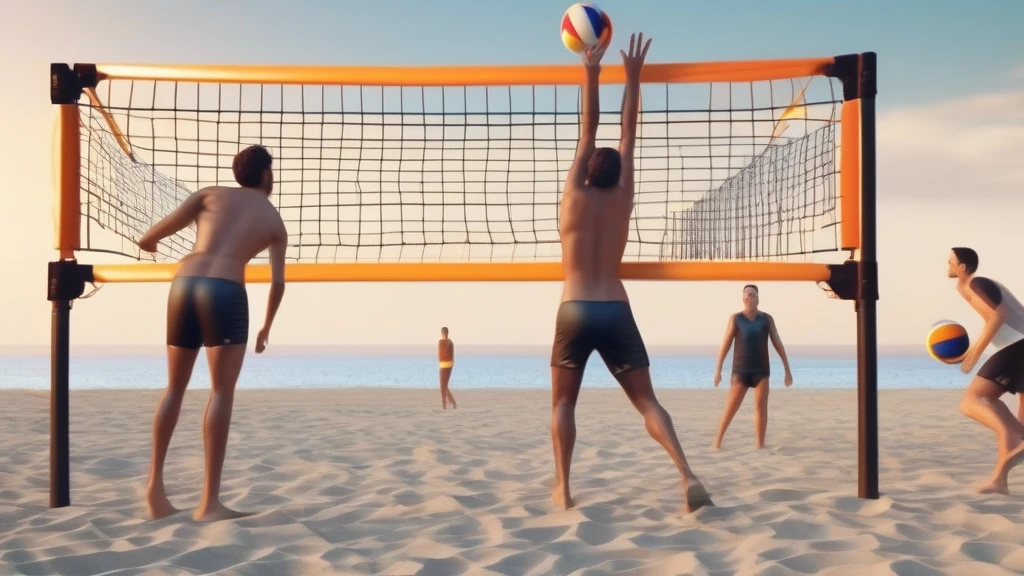
Volleyball is a dynamic sport that demands precision, agility, and teamwork. Whether you’re a coach guiding a team or a player aiming to improve your skills, choosing the right volleyball is crucial. Within the category of volleyballs, two main types often come up: training volleyballs and tournament volleyballs. Each is designed with specific purposes and features that cater to different aspects of the game. Understanding the distinctions between these types can help you make informed decisions that enhance practice sessions, match play, and overall development.
In this article, we’ll explore the key differences between training and tournament volleyballs, focusing on materials, performance characteristics, certifications, and practical considerations for coaches and players.
Understanding the Purpose of Training Volleyballs
Designed for Repeated Use and Skill Development
Training volleyballs are primarily engineered to withstand the rigors of frequent practice. They tend to be more durable and often incorporate features that reduce player fatigue and minimize injury risk during extended drills.
- Lightweight and Impact-Resistant: Many training balls are slightly lighter than tournament balls, making them easier to handle for beginners and reducing strain on joints during repetitive hitting and serving drills.
- Adjustable Pressure and Size Options: Some training volleyballs offer customizable pressure settings or come in slightly smaller sizes to help players focus on technique without the full intensity of a regulation ball.
- Durability Features: Reinforced stitching, high-tension panels, and tear-resistant rubber or synthetic composite materials are common to ensure the ball holds up after thousands of hits.
- Grip and Control: Textured surfaces or anti-slip coatings are often incorporated to aid in ball handling, especially for players still mastering hand positioning and ball control.
Suitable Environments for Training Volleyballs
Training volleyballs are versatile and can be used in indoor gyms, outdoor courts, and even on multi-surface environments. However, they might not always have the specialized waterproof or UV-resistant coatings found on some tournament or beach volleyballs.
What Makes Tournament Volleyballs Distinct?
Engineered for Competitive Play and Official Regulations
Tournament volleyballs are designed with strict compliance to international standards set by organizations such as the Fédération Internationale de Volleyball (FIVB), NCAA, and others. These balls aim to deliver consistent performance, durability, and fairness in competitive environments.
- Regulation Size and Weight: Tournament volleyballs conform to precise measurements (typically 65-67 cm in circumference and weighing 260-280 grams) and pressure levels for standardized play.
- Premium Materials for Optimal Playability: Synthetic leather or microfiber covers provide a soft yet firm touch, enabling accurate serves, spikes, and passes. High air retention bladders made of butyl or latex ensure consistent bounce and flight characteristics.
- Certification Marks: Look for TÜV, ISO, CE, or FIVB certifications that guarantee the ball meets rigorous quality and safety standards.
- Surface Textures: Subtle texturing helps maintain grip without compromising speed or trajectory, which is especially important during fast-paced matches.
- Weatherproofing: Many tournament volleyballs feature waterproof and UV-resistant treatments, making them suitable for outdoor court and beach settings.
Use Cases for Tournament Volleyballs
These balls are ideal for league matches, official beach volleyball tournaments, and high-level training where players need to simulate match conditions precisely. Their consistent weight, bounce, and feel help athletes fine-tune their skills under realistic gameplay scenarios.
Key Differences: Training vs. Tournament Volleyballs
| Feature | Training Volleyballs | Tournament Volleyballs |
|---|---|---|
| Weight & Size | Often lighter or adjustable size | Regulation size and weight |
| Material | Durable synthetic or rubber composites | Premium synthetic leather or microfiber |
| Air Retention | Good, but may vary for adjustability | High-quality butyl or latex bladders |
| Surface Texture | Enhanced grip and anti-slip coatings | Subtle texture for balanced grip and speed |
| Certifications | May lack official certification | Certified by FIVB, NCAA, TÜV, ISO, CE |
| Durability Focus | Built for frequent, intense practice | Built for competitive play and official matches |
| Weather Resistance | Variable, often not optimized for outdoor use | Often UV and waterproof for outdoor conditions |
How to Choose the Right Volleyball for Your Needs
Consider the Skill Level
- Beginners and Youth Players: Training volleyballs offer an excellent introduction, being lighter and more forgiving on impact.
- Intermediate to Advanced Players: Transitioning to tournament volleyballs helps simulate real game conditions and develops competitive skills.
Match the Volleyball to the Play Environment
- Indoor Courts: Both training and tournament volleyballs can be suitable, but tournament balls offer consistent bounce and flight.
- Outdoor or Beach Play: Opt for tournament volleyballs with waterproof and UV-resistant features to ensure longevity.
- Multi-Surface or Recreational Use: Durable training volleyballs or specialized multi-surface models provide versatility.
Factor in Training Goals
- For skill drills emphasizing ball control and technique, training volleyballs with adjustable pressure and enhanced grip can be more effective.
- For scrimmages or match simulations, tournament volleyballs ensure an authentic experience.
Maintenance Tips to Extend Volleyball Lifespan
Proper care is essential regardless of the volleyball type.
- Inflation: Maintain recommended air pressure using a quality pump with a pressure gauge to avoid over- or under-inflation, which can affect ball performance and durability.
- Cleaning: Gently clean with a damp cloth to remove dirt and sweat. Avoid harsh chemicals that can degrade surface materials.
- Storage: Store volleyballs in a cool, dry place away from direct sunlight to prevent fading and material breakdown.
- Repair Kits: For training volleyballs, consider keeping a patch or repair kit handy to fix minor punctures or tears promptly.
Sustainability in Volleyball Manufacturing
As environmental awareness grows, many volleyball manufacturers are adopting eco-friendly practices:
- Recyclable Materials: Some balls incorporate recyclable synthetic leathers and rubber components.
- Non-Toxic Coatings: Child-safe and environmentally responsible coatings are increasingly common.
- Sustainable Production: Companies are minimizing waste and energy use in manufacturing processes.
When selecting volleyballs, consider those with sustainability certifications or transparent environmental commitments to support greener sports practices.
Conclusion
Choosing between training volleyballs and tournament volleyballs depends largely on your skill level, training objectives, and playing environment. Training volleyballs excel in durability, impact resistance, and adaptability for skill development, while tournament volleyballs offer precision, certification, and realistic match-play characteristics critical for competitive settings.
Coaches and players who understand these differences can tailor their equipment choices to maximize practice effectiveness and performance on game day. Incorporating proper maintenance and considering sustainability adds further value to your volleyball investment, ensuring the balls serve you well through countless matches and training sessions.