
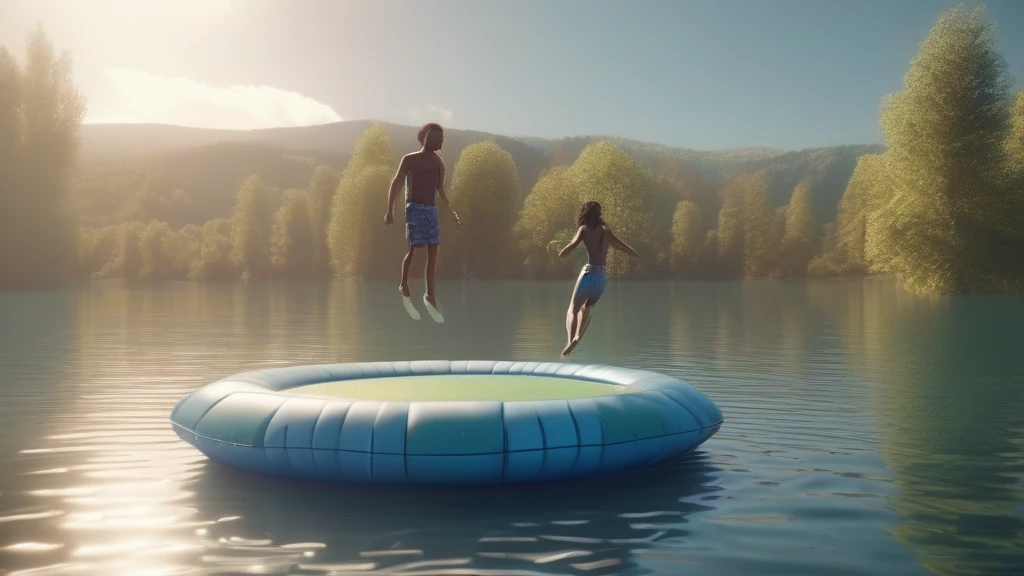
Water trampolines offer a unique and exhilarating way to enjoy summer days on lakes, pools, and beaches. These inflatable trampolines, designed specifically for aquatic environments, combine the thrill of bouncing with the refreshing element of water, creating hours of entertainment for families, friends, and outdoor enthusiasts. However, as with any recreational equipment, safety is paramount to ensure that the fun doesn’t come at the expense of wellbeing. This comprehensive safety guide covers everything you need to know about setting up, using, supervising, and accessorizing water trampolines safely.
Understanding Water Trampolines: Features and Design for Safety
Before diving into safety tips, it’s important to understand the product characteristics that contribute to a safe water trampoline experience.
-
Materials and Durability: Water trampolines are constructed from heavy-duty, waterproof PVC and reinforced seams to withstand water exposure and rough use. These materials ensure a stable, secure jumping surface that resists punctures and tears.
-
Size and User Capacity: Typically ranging from 8 to 12 feet in diameter, these trampolines accommodate 2 to 4 users simultaneously. Larger models provide more space for multiple jumpers, reducing collision risks, while smaller ones are easier to manage but require stricter user limits.
-
Vibrant Colors for Visibility: Bright colors such as blue, red, yellow, and orange enhance visibility on the water, making it easier to keep track of jumpers and the trampoline itself. This is a crucial safety feature in busy or natural water settings.
-
Inflation and Stability: Secure inflation systems and sturdy construction prevent deflation and maintain a firm jumping surface. Proper inflation is vital to avoid soft spots that can cause falls or water submersion.
These design elements form the foundation for a safe and enjoyable water trampoline experience.
Safe Setup: Preparing Your Water Trampoline
Site Selection
-
Choose Calm Water: Set up your trampoline in calm, shallow waters away from strong currents, waves, or boat traffic. Lakes and calm bays are ideal, while open ocean or rough pools increase risk.
-
Check Water Depth: Ensure the water beneath the trampoline is deep enough to safely jump and fall without risk of injury—typically a minimum of 6 feet is recommended.
-
Avoid Hazards: Inspect the area for underwater obstacles such as rocks, debris, or sharp objects that could cause injury.
Proper Inflation and Anchoring
-
Follow Manufacturer Instructions: Inflate the trampoline fully using the recommended pump and pressure guidelines to ensure maximum stability.
-
Secure Anchoring: Use strong, adjustable anchors or tethers to prevent the trampoline from drifting. Anchoring systems should be checked regularly to maintain tension and stability.
-
Inspect for Damage: Before each use, examine seams, valves, and the jumping surface for signs of wear or damage. Small punctures or leaks can compromise safety.
Establishing Rules: Promoting Safe Behavior on the Water Trampoline
Clear, communicated rules help prevent accidents and ensure everyone enjoys the trampoline responsibly.
User Limits
-
Respect Maximum Capacity: Adhere to the manufacturer’s recommended user capacity (usually 2 to 4 jumpers depending on size). Overloading increases collision risk and stresses the trampoline’s structure.
-
Weight Considerations: Some models specify maximum weight limits. Ensure the combined weight of users does not exceed this to maintain proper buoyancy and stability.
Jumping Guidelines
-
No Flips or Dangerous Stunts: While water trampolines support light acrobatics, flips and risky tricks should be avoided unless jumpers are experienced and the area is clear of others.
-
One Jumper at a Time When Possible: To minimize collisions, encourage jumpers to take turns or maintain safe distances.
-
Feet First Entry: Encourage users to jump or bounce feet first to reduce the risk of head and neck injuries.
-
No Rough Play: Prohibit pushing, shoving, or horseplay on or around the trampoline.
Supervision and Age Limits
-
Constant Adult Supervision: Children and inexperienced users should always be supervised by a responsible adult who can enforce rules and respond quickly in emergencies.
-
Age Appropriateness: Ensure users meet age recommendations specified by the trampoline manufacturer, as smaller children may lack the coordination or strength to use the equipment safely.
Essential Safety Accessories for Water Trampolines
Adding safety accessories can enhance protection and user confidence.
-
Life Jackets and Floatation Devices: Even strong swimmers benefit from wearing personal flotation devices, especially children or users unfamiliar with open water conditions.
-
Safety Ropes and Handles: Some water trampolines include or allow attachment of ropes or handles that help users maintain balance and provide easy entry and exit points.
-
Safety Nets or Barriers: While less common on water trampolines than on land models, some designs incorporate low barriers or inflatable edges to prevent accidental falls into the water.
-
Emergency Whistles and Signaling Devices: Supervisors and jumpers can carry whistles to quickly attract attention if help is needed.
Supervision Best Practices: Keeping Everyone Safe
-
Stay Alert: Supervisors should avoid distractions like phones or alcohol consumption while monitoring trampoline use.
-
Know Emergency Procedures: Have a plan for water rescue and first aid. Familiarity with CPR and basic lifesaving techniques is highly recommended.
-
Set Time Limits: Encourage breaks to prevent fatigue, dehydration, or overexertion, which can increase accident risk.
Maintenance and Storage Tips for Longevity and Safety
Proper care extends the life of your water trampoline and ensures it remains safe to use.
-
Rinse After Use: Saltwater and chlorine can degrade materials. Rinse the trampoline with fresh water after each session.
-
Dry Thoroughly: Allow the trampoline to dry completely before deflating and storing to prevent mold and mildew.
-
Store in a Cool, Dry Place: Avoid prolonged exposure to direct sunlight when not in use, as UV rays can weaken materials.
-
Regular Inspections: Check for leaks, seam integrity, and valve function frequently.
Conclusion
Water trampolines are fantastic additions to any aquatic recreation setup, offering lively entertainment and physical activity for a variety of users. By carefully selecting the right model, setting it up correctly, enforcing thoughtful rules, supervising users, and utilizing safety accessories, you can significantly reduce risks and ensure that every bounce is a safe one. With these guidelines in place, families and friends can enjoy endless hours of vibrant, dynamic fun on the water — creating memories that splash far beyond the trampoline itself.