
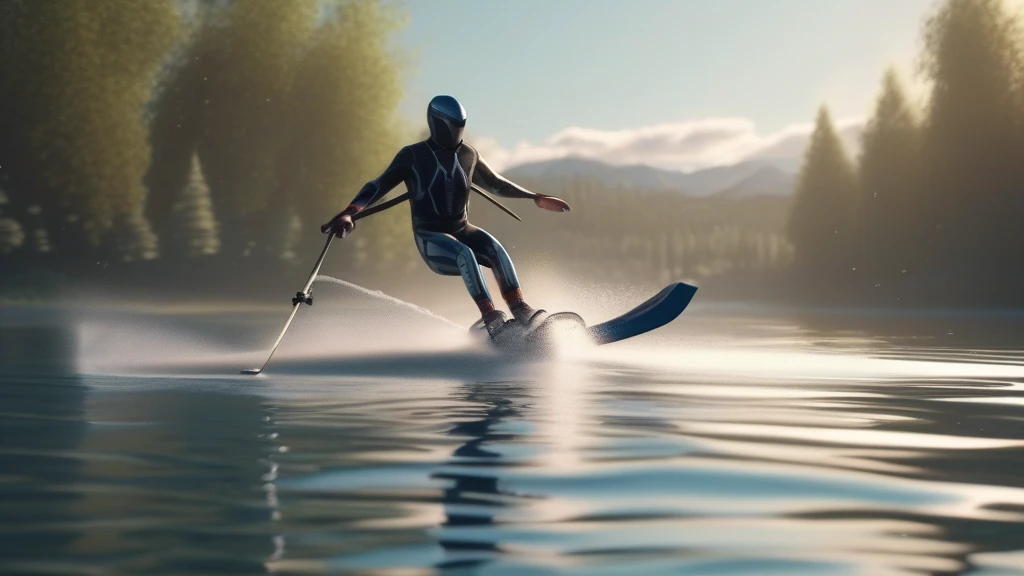
Trick water skiing is a thrilling water sport that demands agility, balance, and precise control. Unlike traditional water skiing, trick skiing focuses on performing freestyle maneuvers such as spins, flips, and jumps on relatively calm water surfaces. To excel and enjoy this discipline, selecting the right pair of trick water skis is essential. With various types, materials, fin systems, and boot styles available, the choice can feel overwhelming.
This article offers a comprehensive comparison of different trick water ski types and styles, highlighting their key characteristics, advantages, and suitability for various skill levels. Whether you’re a beginner starting your trick skiing journey or an advanced competitor chasing peak performance, understanding these differences will help you make an informed decision.
Understanding Trick Water Skis: What Sets Them Apart?
Before diving into comparisons, it’s important to grasp what makes trick water skis unique. These skis are specialized for executing technical maneuvers, so their design emphasizes:
- Lightweight, durable construction to support rapid directional changes and high-impact landings.
- Compact dimensions, typically between 40 to 48 inches, for better maneuverability.
- Adjustable and detachable fin systems to tailor stability and control.
- Boot styles offering various levels of fit and safety, such as open-toe or closed-toe bindings.
- Safety features like anti-slip bindings and quick-release mechanisms.
- Environmental considerations, including sustainable materials and coatings.
Comparing Trick Water Skis by User Skill Level
1. Beginner Trick Water Skis
Key Characteristics:
- Emphasize stability and ease of use.
- Wider, slightly longer skis (closer to 48 inches) to increase surface area and balance.
- Durable but lightweight materials like fiberglass to keep costs reasonable.
- Fixed or adjustable fins that add directional stability.
- Open-toe or adjustable boots for comfort and gradual control adaptation.
Advantages:
- Larger surface area helps new skiers maintain balance during initial tricks.
- More forgiving construction reduces the learning curve.
- Simpler fin configurations mean less maintenance and setup time.
Ideal For:
- Recreational users and novices developing basic freestyle skills.
- Those prioritizing comfort and safety over advanced maneuverability.
2. Intermediate and Recreational Skis
Key Characteristics:
- Balanced design between stability and agility.
- Construction often includes fiberglass with Kevlar reinforcement for added durability.
- Adjustable fins or detachable fin systems allow customization based on water and skill conditions.
- Boots may feature closed-toe designs for enhanced control and safety.
- Moderate weight for portability without sacrificing strength.
Advantages:
- Greater versatility for a range of tricks and water conditions.
- Customizable fin setups help refine technique and improve performance.
- Increased durability supports more frequent use and varied impacts.
Ideal For:
- Enthusiasts refining freestyle abilities.
- Skiers seeking a blend of comfort, control, and durability.
3. Advanced and Competitive Trick Skis
Key Characteristics:
- Ultra-lightweight materials such as carbon fiber and advanced fiberglass composites.
- Compact, streamlined design (closer to 40 inches) for maximum maneuverability.
- Sophisticated fin systems—often detachable and adjustable with multiple fin options.
- Closed-toe, fixed or highly adjustable boots with quick-release safety features.
- Eco-friendly coatings and recyclable components reflecting modern sustainability trends.
Advantages:
- Superior responsiveness and precision for executing complex tricks.
- Enhanced durability against high-impact landings.
- Ergonomic comfort and secure fit for intense competition scenarios.
- Portability features like foldable designs and included carry bags.
Ideal For:
- Professional athletes and competitive trick skiers.
- Users demanding peak performance and customized setups.
Material Showdown: Carbon Fiber vs. Fiberglass vs. Kevlar
Carbon Fiber Skis
- Weight: Extremely lightweight, reducing fatigue and increasing agility.
- Durability: High strength-to-weight ratio; excellent impact resistance.
- Performance: Superior stiffness offers responsive control for precise maneuvers.
- Cost: Generally higher, reflecting advanced technology.
- Eco Impact: Many manufacturers integrate recyclable carbon fiber and eco-friendly coatings.
Fiberglass Skis
- Weight: Lightweight but heavier than carbon fiber.
- Durability: Good flexibility and shock absorption, suitable for beginners and intermediates.
- Performance: Balanced stiffness allows for stable yet responsive skiing.
- Cost: More affordable, often used in beginner and recreational skis.
- Eco Impact: Fiberglass production can be more energy-intensive; some brands use sustainable resins.
Kevlar Reinforced Skis
- Weight: Adds minimal weight while boosting strength.
- Durability: Exceptional impact resistance and longevity.
- Performance: Enhances toughness without compromising flexibility.
- Cost: Mid-to-high range pricing.
- Eco Impact: Kevlar is synthetic but often combined with other eco-conscious materials.
Fin Systems Compared: Fixed, Adjustable, Detachable, and No-Fin
Fixed Fins
- Pros: Simple, low-maintenance, and stable.
- Cons: Limited customization; may not suit all water conditions or skill levels.
- Best For: Beginners and recreational skiers who prioritize ease of use.
Adjustable Fins
- Pros: Allows on-the-fly tuning of fin depth and angle, improving control.
- Cons: Slightly more complex setup.
- Best For: Intermediate users refining their technique.
Detachable Fins
- Pros: Maximum customization; fins can be swapped or removed for different tricks.
- Cons: Requires more care and maintenance; risk of loss.
- Best For: Advanced and competitive skiers seeking precise control.
No-Fin Designs
- Pros: Ultra-light and minimal drag, enabling unique trick possibilities.
- Cons: Demands exceptional balance and skill; less stable.
- Best For: Expert skiers experimenting with freestyle innovations.
Boot Styles: Open-Toe vs. Closed-Toe, Fixed vs. Adjustable
Open-Toe Boots
- Advantages: Breathable, easier to put on and remove, comfortable for beginners.
- Limitations: Less secure fit, potentially less safety during high-impact tricks.
Closed-Toe Boots
- Advantages: Enhanced foot protection, tighter fit for improved control.
- Limitations: Can be warmer and slightly harder to adjust.
Fixed Boots
- Advantages: Solid, stable fit; minimal movement inside boot.
- Limitations: Less flexible sizing; may reduce comfort for some users.
Adjustable Boots
- Advantages: Customizable fit; accommodates foot swelling and different shoe sizes.
- Limitations: Slightly heavier and more complex mechanisms.
Safety and Additional Features to Consider
- Anti-slip bindings reduce foot slippage during tricks.
- Quick-release mechanisms enable fast exit in emergencies.
- Rounded edges minimize injury risk on falls.
- UV and weather resistance prolong ski lifespan in harsh conditions.
- Portability options such as foldable skis and carry bags ease transport to lakes or competitions.
- Environmental features like biodegradable coatings and recyclable parts appeal to eco-conscious athletes.
Final Thoughts: Matching Your Needs to the Right Trick Water Ski
Choosing the ideal trick water skis boils down to aligning your skill level, performance goals, and personal preferences with the ski’s materials, design, fin system, and boots. Beginners benefit from stable, fiberglass-based skis with simple fin setups and comfortable boots. Intermediate skiers gain from adjustable fins and mixed-material constructions like Kevlar-reinforced fiberglass. Advanced and pro competitors will appreciate the lightweight precision and customization offered by carbon fiber skis with detachable fins and secure, closed-toe boots.
By carefully considering these distinctions and prioritizing safety and sustainability, you can select trick water skis that not only enhance your freestyle performance but also provide lasting enjoyment on the water.
Equip yourself with knowledge, and the water will become your playground.