
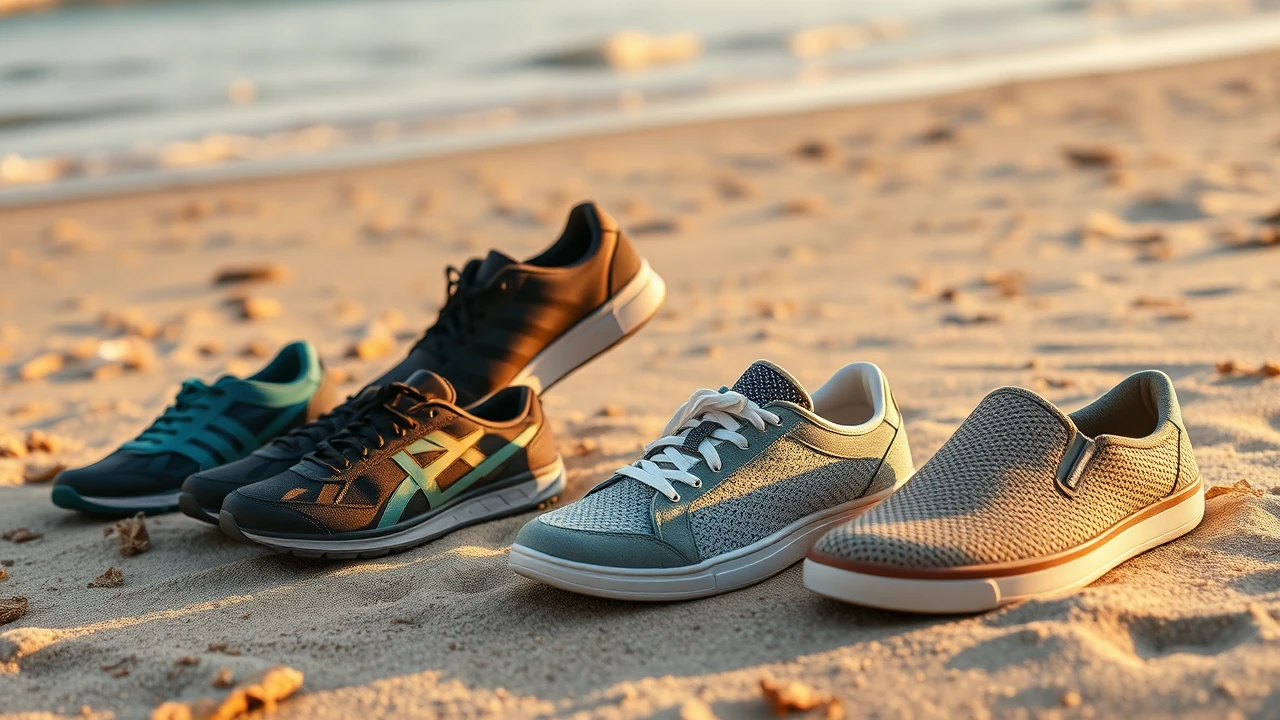
When it comes to choosing the right footwear, understanding the features, materials, and technologies behind each product can make all the difference. In today’s diverse and evolving footwear market, shoppers are no longer satisfied with a simple pair of shoes—they want functionality, comfort, style, and environmental responsibility all wrapped into one. This article takes a deep dive into the key features and specifications of modern footwear, focusing on three prominent sub-categories: water shoes and barefoot shoes, urban sneakers and high-tops, and casual slip-ons and low-tops. By unpacking what each feature means and why it matters, you’ll be better equipped to choose footwear that fits your lifestyle, activity needs, and values.
Exploring the Three Core Footwear Categories
1. Water Shoes and Barefoot Shoes: Engineered for Aquatic Adventures
Designed for activities like paddleboarding, hiking near water, surfing, and swimming, water shoes and barefoot shoes are specialized to meet the demands of wet and variable environments. Their features prioritize safety, durability, and quick adaptability.
Key Features:
- Quick-Dry Polyester & Breathable Neoprene: These materials allow water to escape rapidly while keeping feet comfortable. Breathability prevents overheating and excessive moisture buildup.
- Sophisticated Drainage Systems: Strategically placed drainage holes or mesh panels ensure water does not pool inside the shoe, reducing the risk of blisters and discomfort.
- Non-Slip Soles: Often made from rubber compounds with aggressive tread patterns, these soles provide traction on slippery rocks, wet surfaces, and boat decks.
- Reinforced Toe Caps: Protective toe overlays guard against sharp objects like shells, rocks, and debris encountered in natural aquatic settings.
- UV Resistance & Antimicrobial Coatings: UV-resistant materials help prevent sun damage during prolonged exposure, while antimicrobial treatments reduce odor and fungal growth.
Why It Matters:
These features collectively safeguard your feet during water-based activities, offering enhanced grip, protection, and comfort. For example, if you regularly hike river trails or kayak, a shoe with quick drainage and a reinforced toe cap can prevent injuries and discomfort that might otherwise cut your adventure short.
2. Urban Sneakers and High-Tops: Style Meets Durability
Urban sneakers cater to streetwear enthusiasts, skaters, and athleisure fans who demand a blend of cutting-edge style, comfort, and long-lasting wearability.
Key Features:
- Eco-Friendly EVA Foam Midsoles: Lightweight and shock-absorbing, these midsoles cushion impact during long walks or skateboarding sessions while supporting environmental sustainability.
- Arch Support and Ergonomic Insoles: These features promote foot health, reducing fatigue and preventing common issues like plantar fasciitis.
- Durable Synthetic Fabrics: Resistant to abrasion and weather, these materials maintain the shoe’s appearance and structure over time.
- Adjustable Closures: Lace-up systems or quick-toggle mechanisms allow a customizable fit, essential for active urban use.
- Weatherproof Membranes: Some models incorporate water-resistant or breathable membrane layers to protect feet from rain without sacrificing ventilation.
Why It Matters:
Urban sneakers are more than just fashion statements; their ergonomic designs and durable materials support active lifestyles in unpredictable urban environments. For instance, a commuter who walks or bikes daily benefits from the shock absorption and arch support, while the weatherproofing keeps feet dry during sudden showers.
3. Casual Slip-Ons and Low-Tops: Effortless Comfort for Everyday Life
This category suits consumers seeking lightweight, breathable footwear that’s easy to wear for daily errands, travel, or casual outings.
Key Features:
- Breathable Mesh and Lightweight Fabrics: Promote airflow to keep feet cool and reduce sweat accumulation.
- Slip-On Elastic Closures or Velcro Straps: Facilitate quick on-and-off wear, making them practical for busy lifestyles.
- Flexible Soles: Allow natural foot movement and enhance comfort during extended wear.
- Cushioned Insoles with Arch Support: Ensure all-day comfort even without active sports use.
- Sustainable Materials: Increasingly, these shoes feature recyclable components and low-impact manufacturing processes.
Why It Matters:
For those prioritizing convenience without sacrificing comfort, these features make slip-ons ideal for travel or casual wear. The lightweight design reduces foot fatigue, while breathable fabrics help maintain freshness throughout the day.
Decoding Common Footwear Features: What to Look For
Breathable Materials and Ventilation
Breathability is crucial across all footwear types to prevent moisture buildup, which can cause blisters, unpleasant odors, and fungal infections. Look for shoes made with breathable neoprene, mesh panels, or quick-dry polyester that actively wick moisture away from the skin. Ventilation holes or mesh inserts further enhance airflow, especially important in warmer climates or during intense activities.
Adjustable Closures for Personalized Fit
The method of closure affects both convenience and fit. Lace-up systems offer the most precise adjustment, ideal for athletic or urban sneakers that require secure foot lockdown. Velcro and slip-on elastic systems prioritize ease of wear and quick removal, common in casual and water shoe designs. Some models feature innovative quick-toggle systems combining speed and customizability.
Sole Technology: Traction, Flexibility, and Cushioning
- Non-Slip Soles: Critical for water shoes, these soles use rubber compounds and tread patterns designed to grip wet and uneven surfaces.
- Flexible Soles: Promote natural foot movement and reduce strain, particularly in barefoot shoes and slip-ons.
- Cushioned Midsoles: EVA foam or similar materials absorb shock, enhancing comfort during prolonged wear or high-impact activities.
- Arch Support: Supports the natural curve of the foot, improving posture and reducing fatigue.
Reinforced Toe Caps and Durability
Toe protection is essential in rugged environments and for urban use where accidental impacts occur. Reinforced toe caps made of synthetic overlays or molded rubber protect toes without adding excessive weight. Durable synthetic fabrics resist wear and tear, extending shoe lifespan.
Environmental Sustainability
Modern consumers increasingly value eco-conscious manufacturing. Shoes incorporating recyclable components, non-toxic coatings, and materials manufactured with low carbon footprints appeal to environmentally aware buyers. Brands often highlight the use of eco-friendly EVA foam or recycled polyester as differentiators.
Practical Tips for Choosing Footwear Based on Features
Match Features to Your Activity
- If your adventures involve water or wet terrain, prioritize quick-dry fabrics, efficient drainage systems, non-slip soles, and toe protection.
- For city life, look for durable materials, arch support, shock absorption, and weatherproof membranes.
- For casual daily wear, opt for breathable, lightweight fabrics with easy closures and flexible soles.
Consider Your Comfort Needs
Ergonomic insoles and arch support are not just luxury features—they are vital for foot health, especially if you spend long hours on your feet. Adjustable closures help you achieve a snug fit, reducing friction and blisters.
Evaluate Sustainability Claims
Check for transparent information about materials and manufacturing processes. Shoes made with recycled or recyclable materials and low-impact methods contribute to reducing your ecological footprint.
Style vs. Functionality Balance
While style is important, ensure it does not compromise comfort or safety. Many modern designs blend vibrant colors and minimalist aesthetics with performance features, allowing versatile use from water sports to urban outings.
Conclusion: What Really Matters in Apparel & Accessories Footwear
Understanding the specific features and technologies behind water shoes, urban sneakers, and casual slip-ons empowers you to make informed, confident decisions. Prioritizing materials like breathable neoprene or eco-friendly EVA foam, closures that fit your lifestyle, and sole technologies tailored to your activities ensures that your footwear performs well, protects your feet, and aligns with your values.
By focusing on what really matters—comfort, protection, sustainability, and style—you can select footwear that not only meets your immediate needs but supports your long-term health and environmental responsibility. Whether you’re gearing up for a day on the water, navigating city streets, or enjoying casual comfort, the right shoe starts with understanding the features that make all the difference.