
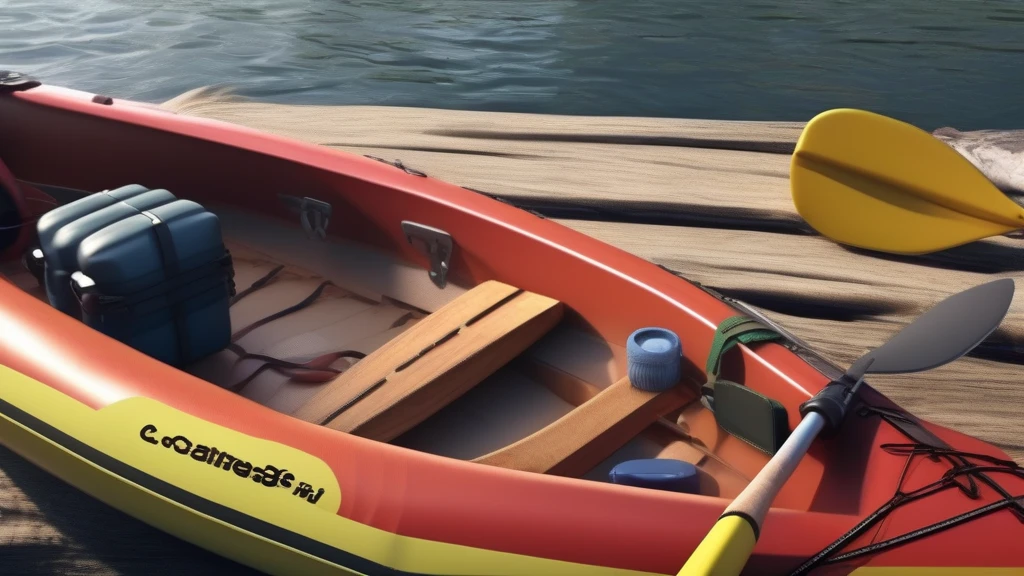
Boating and rafting enthusiasts know that having the right equipment can make or break an adventure on the water. Whether you’re paddling a kayak through serene lakes or navigating rapids in a canoe, the accessories and maintenance products you choose play a crucial role in safety, durability, and performance. This article offers a deep dive into the essential features, specifications, and technologies behind boating and rafting gear — especially hardware, repair kits, and maintenance accessories designed for kayaks and canoes. By the end, you’ll understand what each feature means and why it matters, empowering you to make informed decisions when upgrading or repairing your watercraft.
Key Product Categories in Boating & Rafting
Before exploring specific features, it’s helpful to understand the main types of products commonly used in kayaking and canoeing maintenance and customization:
- Mounting Hardware: Brackets, clamps, hinges used to attach gear or accessories.
- Handles: Replacement or upgrade handles designed for comfort and durability.
- Fastening Systems: Clips, screws, bolts, and quick-release mechanisms to secure components.
- Strap Systems: Adjustable straps to secure gear and equipment safely.
- Maintenance Supplies: Repair kits, sealants, cleaners, and UV protectors for routine care and emergency fixes.
Each category emphasizes specialized features tailored to the aquatic environment, ensuring long-lasting performance and safety.
Material Matters: Choosing Durable and Eco-Friendly Components
One of the first considerations when selecting boating hardware and accessories is the material composition. The water environment, exposure to sunlight, and potential impacts require materials that resist corrosion, wear, and UV damage.
Stainless Steel
- Why it matters: Renowned for its corrosion resistance, stainless steel is a top choice for fasteners, screws, bolts, and clamps exposed to fresh and saltwater.
- Practical benefits: Stainless steel hardware lasts longer without rusting, which is critical for safety and avoiding damage to your watercraft.
- Example: Marine-grade stainless steel screws with a polished finish often carry ISO or CE certifications, ensuring they meet strict quality and environmental standards.
Anodized Aluminum
- Why it matters: Lightweight and corrosion-resistant, anodized aluminum is ideal for mounting brackets and handles where weight savings improve paddling efficiency.
- Practical benefits: The anodizing process adds a protective oxide layer that enhances durability and UV resistance.
- Example: Anodized aluminum mounting clamps with integrated quick-release levers help paddlers install and remove gear swiftly without tools.
High-Impact Nylon and Composite Plastics
- Why it matters: These materials offer excellent impact resistance, flexibility, and waterproof properties.
- Practical benefits: Handles and non-slip pads made from high-impact nylon improve grip and comfort while resisting cracking or warping.
- Environmental note: Many manufacturers now use non-toxic, biodegradable plastics to reduce environmental impact.
- Example: Composite plastic repair kits often include patches and adhesives designed to bond securely with polyethylene hulls.
Marine-Grade Silicone Sealants
- Why it matters: Sealants need to be waterproof, flexible, and resistant to UV rays and saltwater exposure.
- Practical benefits: Using marine-grade silicone ensures long-lasting hull repairs and prevents leaks.
- Example: Repair kits featuring non-toxic, biodegradable silicone sealants certified by TÜV or Marine Safety Ratings guarantee quality and environmental responsibility.
Installation and Ease of Use: Features That Save Time and Effort
Boating accessories should not only be durable but also easy to install and maintain, especially for paddlers who prefer DIY solutions.
Universal vs. Brand-Specific Fit
- Universal fit: Many mounting brackets and clamps are designed to fit a wide range of kayak and canoe models, providing versatility and simplifying upgrades.
- Brand-specific: Some fasteners and handles are engineered to match particular watercraft models, ensuring a perfect fit and optimal performance.
- Why it matters: Choosing the right fit reduces installation errors and guarantees security during use.
Quick-Release Mechanisms
- Feature: Quick-release clamps and straps allow paddlers to attach or detach gear swiftly without tools.
- Benefit: Ideal for emergency situations or when switching equipment during a trip.
- Example: Quick-release strap systems with integrated non-slip pads provide both security and ease of handling.
Lightweight and Portable Design
- Why it matters: Boaters often carry multiple accessories; lightweight hardware reduces overall load, improving paddling endurance.
- Design note: Compact, portable repair kits with pre-measured patches and sealants enable on-the-go fixes without bulky containers.
Safety-Enhancing Features You Shouldn’t Overlook
Safety is paramount in boating and rafting, and many products incorporate features that directly contribute to paddler security.
Non-Slip Pads and Ergonomic Handles
- Handles crafted from high-impact nylon or rubberized composites often include non-slip textures to prevent accidental drops or loss of control.
- Ergonomic designs reduce hand fatigue during long paddling sessions.
Secure Fastening Systems
- Stainless steel bolts combined with locking clips prevent loosening under vibration or rough water conditions.
- Straps with reinforced stitching and quick-release buckles ensure gear stays firmly in place but can be quickly freed if necessary.
Certifications and Ratings
- Products meeting ISO, TÜV, CE, or Marine Safety Ratings have undergone rigorous testing for strength, durability, and environmental impact.
- Choosing certified components adds confidence that your gear meets industry standards for safety and sustainability.
Repair Kits and Sealants: What to Look for When Fixing Hull Damage
Accidents happen, and having the right repair supplies on board is essential for extending your watercraft’s life and staying safe.
Types of Repair Kits
- Patch kits: Usually include adhesive patches made from compatible plastics (e.g., polyethylene or PVC) and instructions for application.
- Sealant kits: Contain marine-grade silicone or polyurethane sealants designed to fill cracks or leaks.
- Combination kits: Offer both patches and sealants for versatile repairs.
Choosing the Right Kit
- Compatibility: Ensure the repair kit matches your hull material — polyethylene kayaks require different adhesives than fiberglass or composite canoes.
- Ease of use: Beginner-friendly kits come with clear instructions and minimal tools required.
- Environmental considerations: Look for non-toxic, biodegradable formulas to minimize waterway pollution.
- Durability: Warranties ranging from 6 months to lifetime indicate manufacturer confidence in product longevity.
Practical Repair Tips
- Clean the damaged area thoroughly before applying patches or sealants.
- Follow curing times recommended by the manufacturer for optimal adhesion.
- Carry a compact emergency repair kit for quick fixes during outings.
Seasonal Maintenance: Protecting Your Gear Year-Round
Routine care extends the life of your boating equipment and enhances safety.
UV Protection
- Prolonged sun exposure can degrade plastics, fabrics, and coatings.
- Use UV protectors formulated for marine environments to shield handles, straps, and hull surfaces.
- Many UV protection sprays are eco-friendly and safe for aquatic life.
Waterproofing and Cleaning
- Regularly clean your watercraft with biodegradable cleaners to remove salt, dirt, and algae.
- Apply waterproof coatings or sealants to prevent moisture intrusion into hardware joints and fasteners.
- Inspect non-slip pads and straps for wear and replace if necessary.
Hardware Inspection
- Check stainless steel and aluminum components for signs of corrosion or mechanical damage.
- Tighten loose fasteners and replace any parts showing cracks or deformation.
- Lubricate moving parts in hinges or quick-release mechanisms with marine-grade lubricants.
Final Thoughts: Prioritizing Features That Enhance Your Boating Experience
When selecting boating and rafting gear, understanding the significance of materials, installation ease, safety features, and maintenance requirements is essential. Opting for corrosion-resistant metals like stainless steel or anodized aluminum, combined with eco-friendly composites and certified sealants, ensures your equipment stands up to the rigors of water use while minimizing environmental impact.
Ease of installation with universal fits and quick-release systems saves time and frustration, while safety-conscious design elements like non-slip pads and secure fastening systems provide peace of mind on every trip. Regular maintenance focusing on UV protection and waterproofing preserves your investment and performance.
By focusing on these core features and specifications, paddlers of all skill levels—from beginners to professionals—can tailor their gear to their needs, enhancing safety, durability, and enjoyment on the water.