
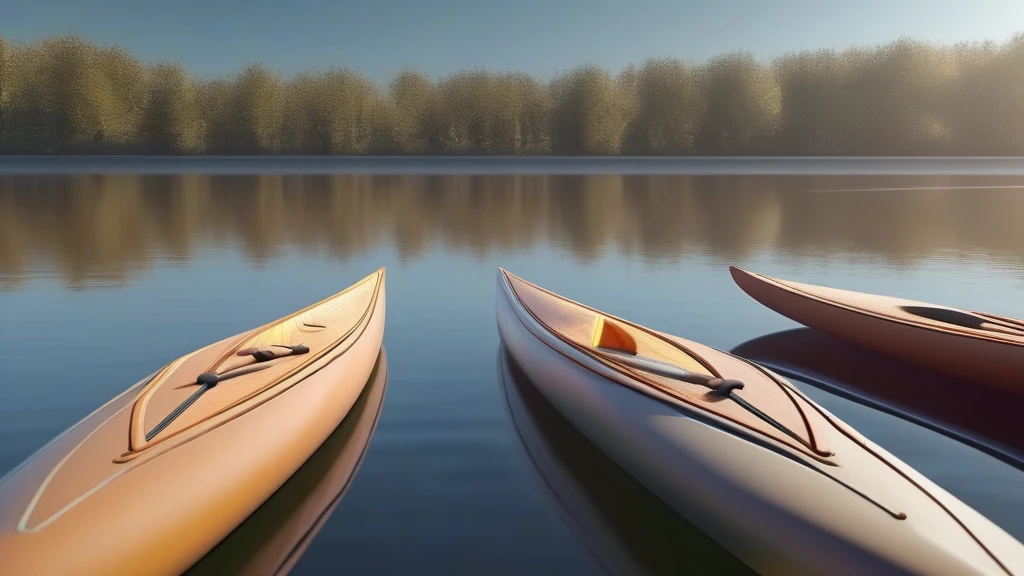
Canoeing is a timeless outdoor activity that combines adventure, relaxation, and a connection to nature. Whether you're planning a peaceful paddle on a calm lake, a family outing on a gentle river, or a rugged wilderness expedition, choosing the right canoe involves understanding the key features that impact performance, comfort, and durability. This article offers a deep dive into the essential canoe features, materials, and designs—explaining what each means and why it truly matters for your paddling experience.
The Foundation: Canoe Hull Shapes and Their Impact
The hull shape is one of the most critical design elements determining how a canoe handles on water. It influences stability, speed, maneuverability, and comfort.
Flat Bottom Hulls
Flat bottom hulls provide maximum initial stability, making them ideal for beginners, families with children, and fishing enthusiasts who require a steady platform. These canoes are perfect for calm lakes and slow-moving rivers where stability outweighs speed. However, they tend to be slower and less maneuverable in rougher conditions.
V-Bottom and Shallow Arch Hulls
V-bottom hulls feature a pronounced keel line, slicing through water to offer better tracking and speed. Shallow arch hulls balance stability and glide efficiency. These hulls suit intermediate paddlers and those seeking faster travel on calm to moderate waters.
Round Bottom and Asymmetrical Hulls
Round bottom hulls excel in maneuverability, allowing skilled paddlers to navigate winding rivers and tight spots. Asymmetrical designs combine the benefits of straight tracking with ease of turning. Such hull shapes are favored by experienced paddlers and expedition canoeists who face varied water conditions.
Materials Matter: Choosing Construction for Durability and Performance
Canoe materials have evolved to blend traditional craftsmanship with modern technology, delivering canoes that are lightweight, durable, and user-friendly.
Fiberglass
Fiberglass canoes are popular for their smooth finish, moderate weight, and good performance. They offer a balance of durability and cost-effectiveness but can be prone to impact damage if not handled carefully. Fiberglass is ideal for recreational paddlers who value classic aesthetics with reasonable maintenance.
Royalex
Once a popular material for canoes, Royalex is a layered composite known for its toughness and impact resistance. It provides excellent abrasion protection and a smooth ride but tends to be heavier. Although less common in new models today, Royalex-built canoes remain a favorite for rugged expedition use.
Marine-Grade Polyethylene
Polyethylene canoes are highly durable and resistant to scratches, impacts, and UV damage. Their heavier weight can be a trade-off, but they require minimal maintenance and excel in family and recreational settings where toughness is key.
Kevlar Composites
Kevlar-reinforced canoes represent the premium end of the spectrum, offering exceptional strength at a very lightweight profile. These canoes are perfect for paddlers prioritizing speed and easy transport, such as wilderness campers and long-distance travelers. The trade-off is higher cost and need for careful handling.
Aluminum
Aluminum canoes are nearly indestructible and great for rugged environments. They often weigh more and can be noisy on water. These are typically used for fishing or workboats where durability trumps speed and comfort.
Inflatable Materials: PVC, Hypalon, and Reinforced Vinyl
Inflatable canoes use materials like PVC and Hypalon, prized for portability and ease of storage. Hypalon offers superior UV and chemical resistance compared to PVC, making it more durable for extended use. Inflatable canoes are excellent for users who need compactness and quick setup, such as city dwellers or travelers.
Comfort and Usability: Seating, Storage, and Portability Features
Beyond hull shape and material, comfort and convenience features greatly influence your paddling enjoyment.
Seating Options
Canoes may offer padded seats, classic cane seats, or molded plastic designs. Padded and webbed seats provide comfort on longer trips, while cane seats offer traditional charm with adequate ventilation. Adjustable or removable seats enhance versatility for different paddling positions and cargo needs.
Gear Storage Solutions
For fishing or expedition use, look for canoes with dry storage hatches, gear tie-down points, and ample internal space. These features keep belongings secure and accessible, preventing water damage and clutter.
Portability Aids
Portability is essential for many paddlers, especially those transporting canoes to remote launch points. Carry yokes and shoulder harnesses distribute weight for easier carrying. Some hard-shell models include removable portage wheels, simplifying movement over land. Inflatable canoes shine with their compact roll-up designs and high-pressure pumps, allowing quick packing and minimal storage space.
Safety and Quality: Certifications and Warranties
When investing in a canoe, safety and quality certifications provide peace of mind.
Safety Certifications
Look for canoes certified by ISO, TÜV, or CE standards. These certifications indicate compliance with rigorous testing for flotation, stability, and construction quality, ensuring that the canoe meets recognized safety benchmarks.
Warranties
Warranties vary from one year to lifetime hull guarantees. Longer warranties often signal confidence in the material’s durability and the manufacturer’s commitment to quality. Checking warranty terms helps protect your investment and guides expectations for maintenance.
Traditional vs. Inflatable Canoes: Which Fits Your Lifestyle?
Traditional Hard-Shell Canoes
Constructed from fiberglass, Kevlar, Royalex, aluminum, or polyethylene, hard-shell canoes offer superior performance, stability, and durability. They are suited for paddlers who prioritize speed, extended trips, and rugged water conditions. Although less portable, features like removable portage wheels and carry yokes enhance transportability.
Inflatable Canoes
Made from durable PVC, Hypalon, or reinforced vinyl, inflatable canoes emphasize portability and ease of use. They are ideal for casual paddlers, city residents, or those with limited storage space. Inflatable models typically come with high-pressure pumps and repair kits for convenience on the go. While they may lack the speed and rigidity of hard-shell canoes, modern designs offer impressive stability and comfort.
Matching Features to Your Canoe Use Case
Whether you’re a family looking for a safe and stable canoe for leisurely outings or an experienced adventurer planning a backcountry expedition, understanding which features align with your needs is key.
-
Family and Beginners: Prioritize flat or shallow arch hulls for stability, durable polyethylene or fiberglass materials for low maintenance, padded seats for comfort, and safety-certified models with warranties. Portability features like carry yokes and removable seats add convenience.
-
Fishing Enthusiasts: Seek canoes with gear tie-downs, dry storage hatches, and stable hull designs (flat or shallow arch). Materials like aluminum or polyethylene withstand rugged use. Comfortable seating and spacious interiors accommodate fishing gear and movement.
-
Wilderness Campers and Expedition Paddlers: Look for lightweight Kevlar or Royalex canoes with V-bottom or asymmetrical hulls for speed and tracking. Portage wheels, multiple carry yokes, and adjustable seats enhance comfort during long trips. Safety certifications and lifetime warranties are beneficial.
-
Inflatable Canoe Users: Focus on high-quality Hypalon or reinforced vinyl for durability, compact packability, and included accessories like pumps and repair kits. Ideal for casual paddling, easy transport, and storage in small spaces.
Final Thoughts: Choosing the Right Features for Your Canoe Adventure
Selecting a canoe involves more than choosing a pretty design. Understanding hull shapes, materials, comfort features, portability options, and safety certifications empowers you to find a canoe that fits your paddling style and environment. Whether you value traditional craftsmanship, lightweight performance, or inflatable convenience, the right canoe can enhance every water experience—offering stability, durability, and enjoyment for years to come.
As you explore your options, consider where you’ll paddle, who will be onboard, and what gear you’ll bring. These factors will guide you toward the features that truly matter, ensuring your canoe is not just a vessel, but a trusted companion on your water adventures.