
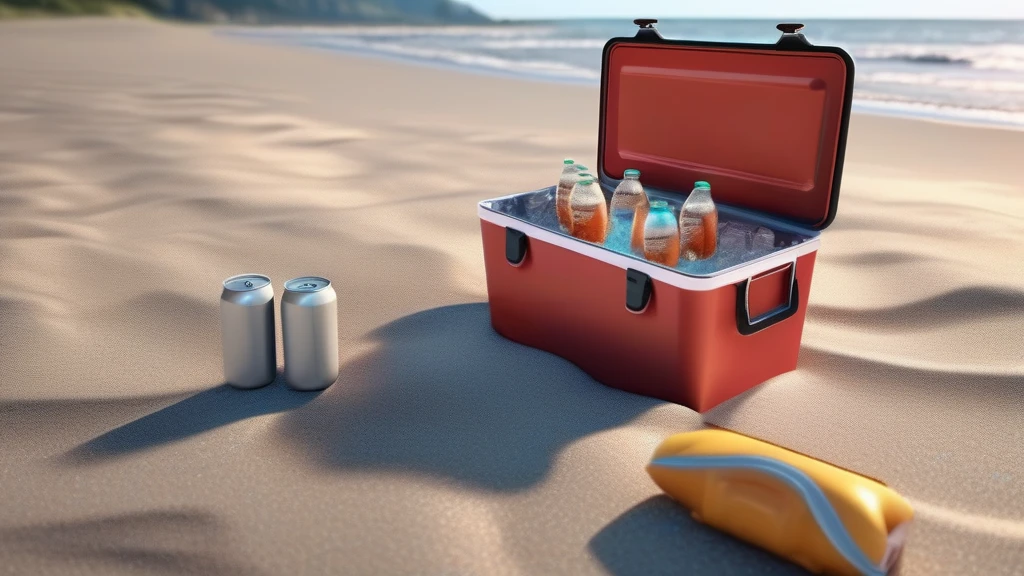
When it comes to enjoying outdoor activities—whether a weekend camping trip, a beach day with family, or a tailgate party—having a reliable cooler can make all the difference. Coolers in the Food & Beverage Carriers category are designed to keep your food and drinks chilled, fresh, and safe to consume, no matter where your adventures take you. But with a wide variety of cooler types and advanced technologies available, how do you know which features truly matter?
This article provides a deep dive into the features, specifications, and materials that define modern coolers. Understanding these aspects will help you choose the right cooler tailored to your needs, ensuring long-lasting ice retention, durability, portability, and eco-friendly benefits.
Types of Coolers and What Their Features Mean
Coolers come in many forms, each designed with specific materials and technologies to suit different activities and user preferences. Let’s explore the most common types and the key features they offer.
Hard-Shell Rotomolded Coolers
Materials and Construction:
Rotomolded plastic is the hallmark of hard-shell coolers. This manufacturing process creates a single, seamless, and extremely durable body that withstands impacts, UV exposure, and harsh weather conditions. These coolers often incorporate stainless steel hardware for hinges and latches, enhancing longevity.
Insulation:
They typically feature double-walled, vacuum-sealed insulation or hybrid insulation systems combining foam and vacuum layers. This advanced insulation allows ice retention from 48 up to 72 hours or more, making them ideal for multi-day trips.
Key Features:
- Lockable, gasket-sealed lids for airtight closure and leak prevention
- Heavy-duty non-slip handles or tie-down points for secure transport
- Built-in drainage systems for easy water removal
- Large capacities ranging from 50 to 75 quarts suitable for group outings
Why It Matters:
Hard-shell rotomolded coolers are perfect for rugged outdoor activities where durability and extended cooling performance are critical, such as fishing, camping, or extended road trips.
Soft-Sided Fabric Coolers
Materials and Construction:
Soft coolers use high-density polyester nylon or EVA foam, often with antibacterial and anti-stain coatings. These materials are lightweight, flexible, and sometimes eco-friendly with BPA-free and recyclable components.
Insulation:
They rely on gel-based or foam insulation, often double-layered, to keep contents cool for 12 to 24 hours. While not as long-lasting as hard coolers, they provide sufficient chilling for day trips.
Key Features:
- Ergonomic shoulder straps, backpack-style designs, or tote handles for easy carrying
- Multiple compartments and removable dividers for organization
- Leakproof liners and water-resistant zippers prevent spills
- Compact sizes, such as 12-can capacity models, ideal for picnics or beach visits
Why It Matters:
Soft coolers offer portability without heavy lifting, making them great for quick outings, urban picnics, or events where carrying convenience is a priority.
Electric Coolers
Materials and Construction:
Electric coolers blend hard or soft cooler bodies with built-in cooling units powered by 12V car adapters or USB. Their construction often includes insulated walls combined with electronic thermoelectric or compressor cooling technologies.
Insulation and Cooling:
Unlike traditional ice-based coolers, electric coolers maintain set temperatures over multiple days without ice. They can cool contents below ambient temperature, offering freshness for perishables.
Key Features:
- Digital temperature controls and displays
- Plug-and-play compatibility with vehicles or power banks
- Lightweight designs with foldable handles or backpack straps
- Some models double as warmers, adding to their versatility
Why It Matters:
Electric coolers are ideal for long drives, RV travel, or situations where constant power is available, providing convenience and eliminating the need for ice.
Key Features to Consider Across All Cooler Types
Understanding common features and technologies across cooler types helps identify what suits your specific needs.
Insulation Technology and Ice Retention
The core function of any cooler is to keep contents cold for as long as possible. Insulation technologies vary widely:
- Double-Walled Vacuum-Sealed Insulation: Creates a near-vacuum barrier to drastically reduce heat transfer, found in premium hard coolers with retention times up to 72 hours.
- Gel-Based Insulation: Uses phase-change materials that absorb heat as they melt, common in soft coolers offering 12–24 hours of cooling.
- Hybrid Systems: Combine foam and vacuum layers to optimize performance and weight.
Practical Tip: For multi-day trips in warm climates, opt for a rotomolded cooler with vacuum-sealed insulation. For shorter outings, a gel-insulated soft cooler may be more convenient.
Durability and Environmental Resistance
Materials and build quality determine how well a cooler withstands outdoor conditions:
- UV Resistance: Prevents plastic and fabric degradation from sun exposure.
- Impact Resistance: Especially critical for hard coolers facing rough handling or rocky terrain.
- Weatherproofing: Prevents water ingress and protects internal contents during rain or splashes.
Look for coolers constructed with BPA-free, recyclable plastics or sustainably sourced fabrics to align with eco-friendly values.
Portability and Ergonomic Design
The best cooler is one you can comfortably transport:
- Handles: Non-slip, padded handles or telescoping, foldable designs ease lifting.
- Straps: Adjustable backpack straps or shoulder straps distribute weight evenly.
- Wheels: Wheeled coolers provide effortless movement over paved or smooth surfaces.
Consider the terrain and distance you’ll carry the cooler to select the right portability features.
Usability and Maintenance Features
A cooler’s convenience extends beyond insulation:
- Leakproof Liners: Prevent messes and simplify cleaning.
- Removable Dividers: Help organize food and beverages efficiently.
- Anti-Stain and Anti-Microbial Coatings: Maintain cleanliness and reduce odor.
- Easy-Drain Systems: Allow quick water removal without tipping the cooler.
Regular maintenance involves washing liners, wiping down surfaces, and drying thoroughly to prevent mold.
Matching Cooler Features to Activities and Group Sizes
For Solo or Small Group Day Trips
A compact soft-sided cooler with gel insulation, leakproof liner, and ergonomic shoulder strap is ideal. Its lightweight nature and easy portability make it perfect for picnics, beach visits, or short hikes. Look for 12-24 can capacity models with organizational pockets.
For Family Outings and Group Events
A mid- to large-sized hard-shell cooler with rotomolded construction and vacuum insulation ensures long-lasting ice retention and durability. Features like lockable lids, heavy-duty handles, and built-in drainage make these coolers well-suited for camping, fishing trips, or backyard gatherings.
For Multi-Day and Remote Adventures
Choose a premium hard cooler offering 72+ hours of ice retention, weatherproof construction, and high-capacity storage. Wheeled models or those with backpack straps improve transport over long distances. Electric coolers provide an alternative where power sources are available.
For Convenience and Technology Enthusiasts
Electric coolers with precise temperature control and multi-functionality serve well for road trips, tailgates, or RV travel. Their ability to cool without ice and sometimes warm food adds convenience for extended outings.
Sustainable Manufacturing and Eco-Friendly Materials
With growing environmental awareness, many cooler manufacturers have incorporated sustainable practices:
- Use of BPA-free and recyclable plastics reduces toxic impact.
- Incorporation of high-density recycled polyester or EVA foam from eco-conscious sources.
- Durable designs that promote long product lifespans, minimizing waste.
Consumers should look for certifications or company transparency about materials and manufacturing to support sustainability.
Maintenance Best Practices for Cooler Longevity
Proper care enhances performance and extends the life of your cooler:
- Regular Cleaning: Use mild soap and warm water; avoid harsh chemicals that degrade insulation or coatings.
- Dry Thoroughly: Prevent mold by air-drying lids and liners after each use.
- Store Properly: Keep coolers in shaded, dry places away from direct sunlight when not in use.
- Check Seals and Hardware: Periodically inspect gaskets, latches, and handles for wear and replace if necessary.
Conclusion
Choosing the right cooler involves understanding how features like insulation technology, materials, durability, portability, and usability align with your outdoor lifestyle. Whether you prioritize ruggedness for multi-day camping, lightweight convenience for beach outings, or electric cooling for road trips, knowing what each feature means empowers you to make informed decisions.
By focusing on these core aspects, you can enjoy fresh, chilled food and beverages no matter where your adventures take you—making every outing safer, more enjoyable, and environmentally responsible.