
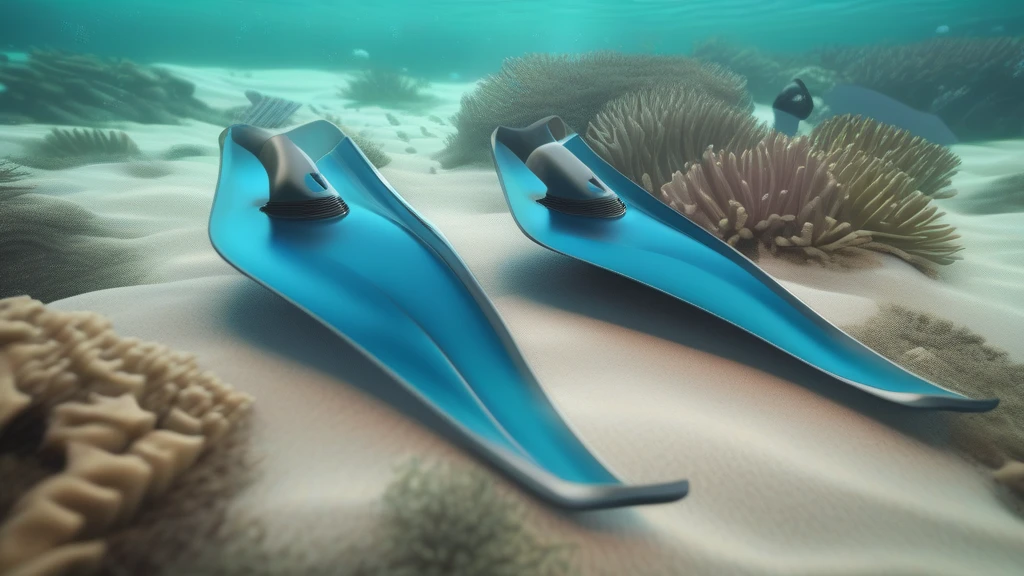
When it comes to exploring the underwater world, the right pair of diving or snorkeling fins can make all the difference. Whether you’re a beginner snorkeler, an experienced freediver, or a professional technical diver, understanding the features, technologies, and specifications behind diving fins is essential to maximizing comfort, propulsion efficiency, and safety. This guide takes a deep dive into the key characteristics of diving and snorkeling fins and explains why each feature matters, helping you make an informed decision that suits your unique underwater activities and skill level.
The Importance of Choosing the Right Fins
Diving and snorkeling fins are more than just simple flippers. They are precision-engineered tools that enhance your mobility underwater by converting your leg movements into effective propulsion. The right fins reduce fatigue, improve maneuverability, and can even contribute to your overall safety by allowing you to move efficiently and keep pace with currents or diving buddies.
Key Features and Technologies of Diving & Snorkeling Fins
1. Blade Design: The Heart of Propulsion
The blade is the most critical component of any fin, as it directly affects how efficiently you move through water. Different blade designs cater to various diving styles and skill levels:
-
Paddle Blades: These traditional, solid blades offer reliable propulsion and are common in beginner and recreational fins. They provide a balance of power and ease of use but can require more effort over long periods.
-
Split Blades: Featuring a central split down the blade, split fins reduce drag and channel water efficiently, which can conserve energy during long swims. They are popular among recreational divers and snorkelers who prioritize comfort and reduced leg fatigue.
-
Vented Blades: Vents or holes near the foot pocket allow water to pass through, reducing resistance on the upstroke and increasing thrust on the downstroke. This design offers enhanced efficiency and is favored by technical divers who demand precise control.
-
Channel-Thrust Blades: These blades have raised rails or channels that focus water flow, increasing propulsion force without additional effort. They are an excellent choice for freedivers and technical divers seeking maximum thrust and responsiveness.
-
Flexible Blades: Often made from materials like silicone or thermoplastic rubber, flexible blades provide a smooth, natural kick ideal for freedivers who require fine control and minimal effort.
2. Foot Pocket: Fit and Comfort
The foot pocket holds your foot in place and significantly impacts comfort and power transfer. Two main styles exist:
-
Open Heel with Adjustable Straps: Open-heeled fins have a larger foot pocket and an adjustable heel strap, often with quick-release buckles. This design allows for wearing neoprene booties, making them ideal for cold water diving or rough seabeds. Adjustable straps ensure a secure fit and easy removal.
-
Closed Heel (Full Foot) Pockets: These fins have a snug, sock-like pocket that fits directly over the bare foot or thin neoprene socks. They are lighter and more compact, favored by snorkelers and freedivers in warm waters. Some closed heel models incorporate stretchable materials for snug fit and comfort.
Additional foot pocket features include:
-
Ergonomic Shape: Contoured designs reduce pressure points and improve comfort during extended use.
-
Anti-Slip Soles or Pads: Textured soles provide grip on slippery surfaces, enhancing safety when walking on docks or boat decks.
3. Materials: Durability Meets Performance and Sustainability
Materials used in fin construction affect weight, stiffness, durability, and environmental impact.
-
Carbon Fiber: High-performance fins often use carbon fiber blades for extreme stiffness and energy-efficient propulsion. Carbon fiber fins are lightweight but premium-priced and usually favored by freedivers and technical divers.
-
Fiberglass: Offers a balance of stiffness and flex, fiberglass blades provide strong propulsion with some flexibility, suitable for intermediate divers.
-
Thermoplastic Rubber and Silicone: These materials are common in flexible fins, providing comfort and smooth kicking action. Silicone blades are particularly popular among freedivers for their suppleness.
-
Neoprene and Silicone in Foot Pockets: These materials enhance comfort, fit, and water sealing, especially in closed heel designs.
-
Eco-Friendly and Recyclable Components: Increasingly, manufacturers prioritize sustainability by using recyclable plastics and low-impact manufacturing processes. Some fins include certifications such as ISO, CE, or TÜV, ensuring quality and environmental standards.
4. Adjustability and Fit Features
Proper fit is critical for both comfort and safety underwater. Key adjustability features include:
-
Quick-Release Buckles: Allow fast removal and adjustment of open-heel fins, especially useful for divers wearing gloves or in cold water.
-
Stretchable Straps: Provide a customizable fit that conforms to foot shape and size without pinching.
-
Sizing Systems: Many fins offer multiple sizes or adjustable length options to accommodate a range of foot sizes, important for families or rental equipment.
5. Portability and Travel Friendliness
For divers and snorkelers on the move, travel-friendly features are a must:
-
Compact or Foldable Designs: Some fins fold or have shorter blades for easy packing in luggage.
-
Included Travel Bags: Protective carry bags help prevent damage during transit and make packing easier.
-
Lightweight Construction: Materials like carbon fiber and thermoplastic reduce weight, easing the burden of travel gear.
6. Visibility and Safety Features
Safety underwater can be enhanced with fins featuring:
-
High-Visibility Colors: Bright colors like yellow, orange, or neon green improve diver visibility in murky water or low light.
-
Reflective Strips: Some fins incorporate reflective materials for added underwater visibility.
Matching Fins to Your Diving Activity and Skill Level
Beginner and Recreational Snorkelers
Look for fins with paddle or split blade designs that offer a balance of propulsion and comfort. Closed heel fins with flexible foot pockets are ideal for warm water snorkeling. Adjustable sizing and quick-release buckles add convenience.
Freedivers
Freediving fins often feature extra-long, flexible blades made of carbon fiber or fiberglass to maximize propulsion efficiency with minimal effort. Closed heel, ergonomic foot pockets with soft materials reduce fatigue during breath-hold dives.
Technical and Professional Divers
These divers benefit from vented or channel-thrust blades that provide precise control and powerful thrust. Durable carbon fiber or fiberglass materials withstand rigorous use. Open heel fins with adjustable straps accommodate booties and offer secure fit in demanding conditions.
Underwater Photographers
Maneuverability and stability are key. Medium-length blades with vented or split designs allow for fine control while preventing overexertion. Comfortable foot pockets and anti-slip soles support extended sessions on boats or rocks.
Travel-Oriented Divers
Compact, foldable fins with lightweight materials and protective travel bags are essential. Adjustable straps and sturdy construction ensure versatility and durability on the road.
Practical Tips for Selecting and Using Diving & Snorkeling Fins
-
Try Before You Buy: Always test fit fins with the type of socks or booties you plan to wear.
-
Balance Blade Length and Flexibility: Longer blades provide more power but can cause fatigue; flexible blades conserve energy but may reduce thrust.
-
Consider Environmental Impact: Choose fins made with sustainable materials and look for manufacturers with eco-conscious practices.
-
Maintenance Matters: Rinse fins with fresh water after each use, avoid prolonged sun exposure, and store them flat or hung to maintain blade shape.
-
Safety First: Select high-visibility fins if diving in low-visibility conditions and ensure your fins have anti-slip features for surface safety.
Conclusion
Understanding the features and technologies behind diving and snorkeling fins empowers you to select the best fit for your underwater adventures. From blade types and materials to foot pocket designs and adjustability, each characteristic plays a vital role in enhancing propulsion efficiency, comfort, and durability. Whether you are a casual snorkeler, a dedicated freediver, or a professional diver, paying attention to these details ensures your fins will support your diving style, improve your underwater experience, and align with your environmental values.
With the right knowledge in hand, you can confidently navigate the diverse options in the diving & snorkeling fins market and find the perfect pair that truly matters for your next aquatic exploration.