
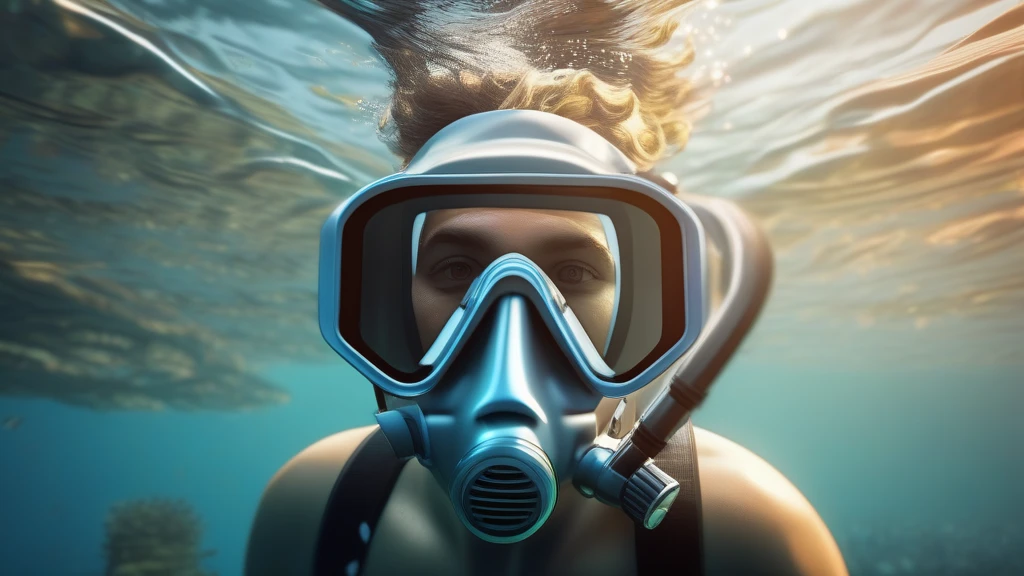
Exploring the underwater world—whether through snorkeling, scuba diving, freediving, or spearfishing—depends heavily on having the right diving or snorkeling mask. The mask is your window beneath the surface, providing clear vision, comfort, and safety. But with so many options and technical features available, choosing the right mask can feel overwhelming. This article breaks down the key features, specifications, and technologies found in diving and snorkeling masks, explaining what each means and why it matters for your underwater experience.
Why the Right Mask Matters
A high-quality diving or snorkeling mask does more than just keep water out of your eyes. It enhances visibility, fits comfortably for extended use, and ensures safety during your dive. Masks are designed to suit a range of activities—from casual snorkeling to advanced underwater photography and freediving—each with unique needs. Understanding mask features empowers you to select gear tailored to your activity, skill level, and personal preferences.
Key Features of Diving & Snorkeling Masks
1. Skirt and Strap Materials: Comfort Meets Seal
The skirt—the flexible part that seals the mask to your face—is typically made of hypoallergenic silicone. This material is widely used because it is eco-friendly, durable, and gentle on the skin, reducing irritation during long dives. Silicone skirts provide a secure, leak-resistant seal by conforming closely to facial contours.
Straps are also usually silicone for elasticity and comfort. Many masks offer adjustable or quick-release buckles, allowing easy customization of fit. Some feature split straps to distribute pressure evenly and prevent hair pulling.
Why it matters: A comfortable, leak-free seal is critical to preventing water intrusion and discomfort. Masks with high-quality silicone skirts and adjustable straps reduce the risk of leaks and mask shift underwater.
2. Lens Types and Coatings: Clarity, Safety, and Protection
Tempered Glass Lenses: Almost all diving masks use tempered glass lenses, which are toughened to resist breakage under pressure and impact. This makes them far safer than plastic lenses, especially for deeper or professional diving.
Lens Designs: Masks come in single-lens or dual-lens configurations. Single-lens masks offer a wider, unobstructed view ideal for underwater photography and panoramic vision, while dual-lens masks often provide a better fit for different face shapes and are traditional favorites for recreational diving.
Lens Coatings and Treatments:
- Anti-Fog Coating: Prevents condensation buildup inside the lens, maintaining clear vision without the need for constant mask clearing.
- Hydrophobic Coating: Repels water droplets from the surface, enhancing visibility and making it easier to wipe water away.
- Polarized and Mirrored Coatings: Reduce glare from sunlight and water reflections, improving contrast and comfort in bright conditions.
- UV Protection: Shields eyes from harmful ultraviolet rays, important for prolonged exposure on the water’s surface.
Why it matters: Clear, undistorted vision is essential for safety and enjoyment. Lens durability and special coatings enhance visual clarity, reduce eye strain, and protect your eyes from environmental factors.
3. Volume and Frame Design: Buoyancy and Field of View
Low vs. Medium Volume Masks:
- Low-volume masks have less internal air space, making them easier to clear if water leaks inside and reducing buoyancy that can pull the mask off the face during freediving or spearfishing. These masks also allow easier equalization of pressure during deep dives.
- Medium-volume masks are common for recreational use, offering a comfortable balance between field of view and ease of clearing.
Frame Types:
- Framed Masks: Have a rigid frame holding the lenses in place, offering structure and durability.
- Frameless Masks: Feature lenses bonded directly to the skirt, resulting in a lighter, more flexible mask that contours closely to the face and can be more compact for travel.
Visibility Range:
Many masks feature wide or panoramic lenses that maximize peripheral vision, enhancing situational awareness underwater.
Why it matters: The internal volume and frame design affect comfort, ease of use, and how the mask performs in different aquatic activities. Low-volume, frameless masks excel in performance disciplines like freediving, while framed, medium-volume masks suit recreational diving and snorkeling.
4. Fit and Seal: Achieving Leak-Free Comfort
Achieving a proper fit is arguably the most important factor in choosing a mask. The mask skirt should create a snug but comfortable seal without causing pressure points or discomfort.
Fit Tips:
- Face Shape: Masks come in various shapes to accommodate narrow, wide, or round faces. Trying on different models or checking dimensions is recommended.
- Seal Test: Before buying, place the mask on your face without straps and inhale gently through your nose. A good mask will create suction and stay in place without support.
- Adjustable Straps: Use buckles or quick-release systems to fine-tune fit. Avoid overly tight straps which can cause headaches.
Why it matters: A well-fitted mask prevents leaks, fogging, and discomfort, allowing longer and more enjoyable underwater sessions.
5. Specialty Masks: Tailored for Specific Activities
- Freediving and Spearfishing Masks: Prioritize low volume and streamlined profiles to reduce drag and allow easy pressure equalization. Frameless designs and smaller lenses are common.
- Underwater Photography Masks: Emphasize wide, distortion-free lenses for better peripheral vision and framing shots.
- Full-Face Snorkel Masks: Integrate snorkels and offer a wide field of view, suitable for surface snorkeling but generally not recommended for scuba diving due to safety concerns and limited equalization ability.
Why it matters: Matching mask design to your activity improves performance, safety, and comfort.
6. Safety Certifications: Trustworthy Quality Standards
Look for masks certified by standards such as ISO, CE, or TÜV. These certifications indicate the mask meets rigorous safety, durability, and material quality requirements.
Why it matters: Certified masks ensure reliability, especially for professional or deep diving environments where equipment failure can be dangerous.
Maintaining Your Diving Mask for Longevity and Clarity
Proper care extends the life of your mask and maintains clear vision:
- Anti-Fog Maintenance: Most masks come with anti-fog treatments, but these degrade over time. Use defogging solutions or natural remedies like diluted baby shampoo before each dive.
- Cleaning: Rinse thoroughly with fresh water after use to remove salt, sand, and debris.
- Storage: Store masks in a protective case away from direct sunlight and extreme temperatures to prevent silicone degradation.
- Avoid Touching the Inside of Lenses: Finger oils can reduce the effectiveness of anti-fog coatings.
Environmental Considerations: Sustainability in Mask Manufacturing
Increasingly, manufacturers are adopting eco-friendly materials such as biocompatible silicone and recyclable packaging. Choosing masks made with sustainable practices supports ocean conservation efforts and reduces environmental impact.
Conclusion
Choosing the right diving or snorkeling mask involves understanding key features such as silicone skirts and straps, tempered glass lenses with specialized coatings, frame and volume design, fit and seal, and safety certifications. Tailoring your mask choice to your specific activity—be it recreational snorkeling, freediving, or underwater photography—ensures enhanced comfort, visibility, and safety. Combined with proper maintenance and environmentally conscious choices, selecting the ideal mask unlocks a more enjoyable and immersive underwater experience.
By demystifying these technical aspects, you are better equipped to make an informed decision and confidently explore the underwater world with clarity and comfort.