
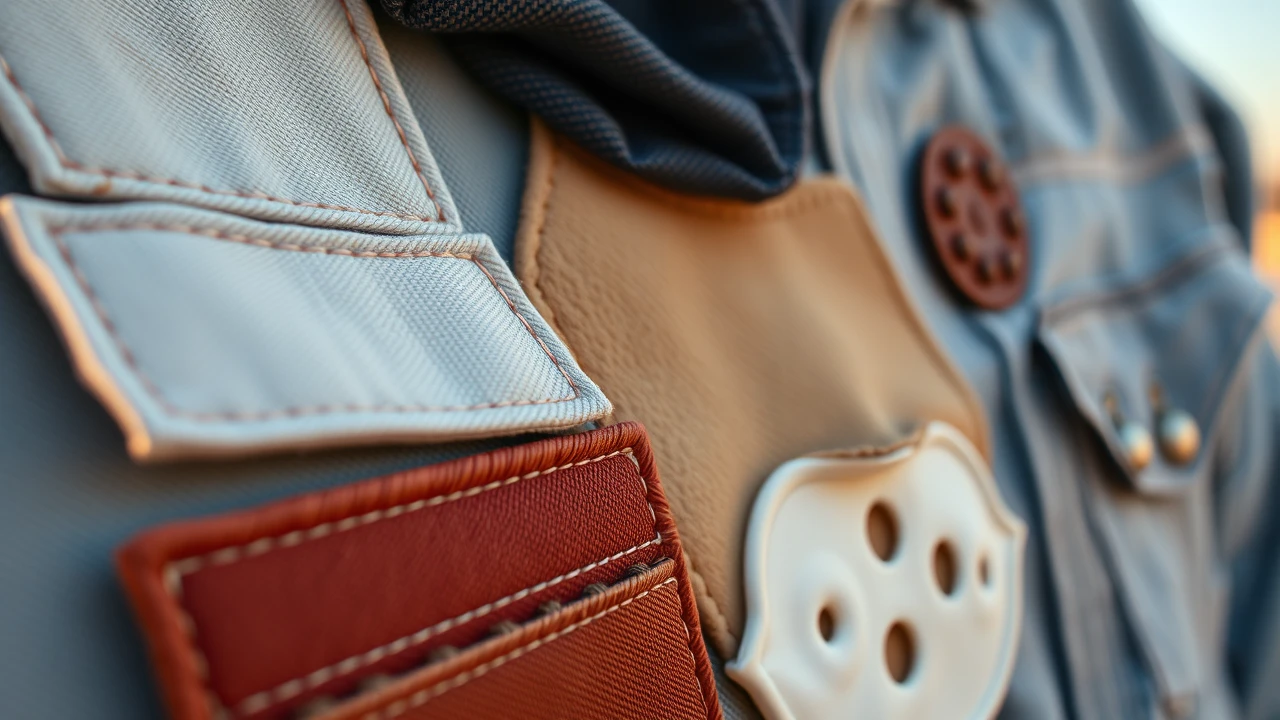
When it comes to personalizing apparel, gear, and accessories, fabric patches are a versatile and creative choice. Whether you’re an outdoor enthusiast, a traveler, a parent looking to customize your child’s backpack, or a collector seeking unique designs, understanding the features of fabric patches can help you make informed decisions. This article takes a deep dive into the key product characteristics, materials, technologies, and application methods that define fabric patches—and explains why each feature matters for your creative projects.
What Are Fabric Patches?
Fabric patches are decorative or functional pieces of fabric or synthetic materials designed to be attached to textiles like clothing, bags, hats, and more. They serve a variety of purposes: from adding flair and individuality to enhancing safety with reflective elements, or simply repairing worn areas with style. The wide range of materials, finishes, and attachment techniques means there’s a fabric patch to suit almost every need and skill level.
Key Features of Fabric Patches and Their Importance
1. Materials: Durability and Appearance
The choice of material significantly affects the patch’s longevity, look, and feel. Common materials include:
- Embroidered Textiles: Classic and textured, these patches use threads stitched onto a fabric backing, offering a traditional, tactile aesthetic.
- Polyester: Durable and vibrant, polyester patches can withstand abrasion and frequent washing, making them ideal for outdoor gear.
- Vinyl and PVC: These synthetic materials provide waterproof and scratch-resistant qualities, perfect for patches exposed to harsh conditions like surfboards or hiking backpacks.
- Rubber: Flexible and waterproof, rubber patches are often used for a modern, rugged look with excellent resistance to wear.
Why It Matters: Selecting the right material ensures your patch maintains its appearance over time, especially if exposed to outdoor elements such as sun, water, and friction. For example, a vinyl patch with a waterproof coating will outlast a fabric-only patch on surf gear.
2. Application Methods: Ease and Permanence
Fabric patches come with several attachment options, each suited to different skills, uses, and permanence levels:
- Iron-On: A heat-activated adhesive on the patch’s back allows easy and quick application with an iron. Ideal for beginners or quick fixes.
- Sew-On: Requires stitching the patch onto fabric, providing the most secure and long-lasting hold, especially for heavy-use items.
- Peel-and-Stick: A pressure-sensitive adhesive backing makes this method convenient and temporary, suitable for customization on the go or for delicate fabrics.
- Velcro: Patches with Velcro backing offer reusability and easy swapping, popular among outdoor enthusiasts and collectors who want to interchange designs without damage.
Why It Matters: The application method affects durability, convenience, and whether the patch can be repositioned or removed. For example, iron-on patches are user-friendly but may not be ideal for items frequently washed or used outdoors, where sew-on patches provide better longevity.
3. Protective Coatings and Finishes
To withstand outdoor activities and extended use, many fabric patches incorporate special coatings:
- UV Resistance: Protects colors from fading under sunlight, crucial for patches on surfboards, backpacks, or jackets regularly exposed to outdoor light.
- Waterproofing: Keeps the patch intact and vibrant even when wet, essential for beachgoers and hikers.
- Scratch Resistance: Helps maintain patch surface integrity against abrasion from rough surfaces or frequent handling.
- Fade-Proof Finishes: Ensures the design and colors remain sharp over time despite washing and wear.
Why It Matters: These features extend the life of your patch, preserving your investment in personalization. For example, a UV-resistant embroidered patch on a hiking jacket will keep its design vivid through many adventures.
4. Safety Features: Reflective and Glow-in-the-Dark Technologies
Beyond aesthetics, fabric patches can improve user safety:
- Reflective Patches: Incorporate materials that bounce back light, enhancing visibility during low-light conditions like dusk or nighttime hiking.
- Glow-in-the-Dark Patches: Absorb ambient light and emit a gentle glow, useful for children’s backpacks or outdoor gear to increase visibility without batteries.
Why It Matters: If you’re customizing gear for outdoor activities such as hiking, biking, or camping, these features are invaluable for safety. Reflective patches on backpacks or jackets help alert drivers and fellow adventurers to your presence.
5. Eco-Friendly and Hypoallergenic Materials
Increasingly, manufacturers are adopting sustainable practices and materials:
- Sustainable Fabrics: Use of recycled polyester or eco-conscious production methods to reduce environmental impact.
- Non-Toxic Adhesives: Safe for sensitive skin and the environment, particularly important for children’s patches.
- Recyclable Packaging: Minimizes waste and supports green initiatives.
Why It Matters: Choosing eco-friendly patches aligns with environmental responsibility and supports a healthier crafting experience. For families and conscious consumers, hypoallergenic and non-toxic materials reduce the risk of irritation and allergic reactions.
6. Packaging and Portability
Compact, travel-friendly packaging and clear instructions cater to active lifestyles:
- Compact Packaging: Easy to carry for on-the-go customization or quick fixes while traveling.
- Clear Application Guides: Step-by-step instructions help users confidently apply patches regardless of experience.
Why It Matters: For travelers and outdoor enthusiasts, the ability to pack and apply patches easily without special tools is a considerable advantage.
Choosing the Right Fabric Patch for Your Needs
Consider Your Activity and Environment
- For outdoor sports like surfing or hiking, prioritize patches with waterproof, UV-resistant, and scratch-resistant features.
- For kids’ items, look for hypoallergenic materials and easy application methods like iron-on or peel-and-stick.
- For collectors or fashion-focused users, embroidered and Velcro-backed patches offer style variety and interchangeability.
Match Material to Usage
- Choose vinyl or rubber patches for rugged, waterproof applications.
- Opt for embroidered patches for a classic, textured look on casual apparel.
- Select polyester patches for vibrant colors and durability.
Application Method Based on Skill and Permanence
- Iron-on for quick, beginner-friendly projects.
- Sew-on for durability on frequently washed or high-stress items.
- Peel-and-stick for temporary or delicate applications.
- Velcro for easy removal and swapping.
Tips for Applying and Maintaining Fabric Patches
- Always follow the manufacturer’s instructions for best results.
- For iron-on patches, ensure fabric and patch backing can withstand heat.
- Use a needle and thread to reinforce iron-on patches for extra security.
- Clean patches gently with mild soap and water; avoid harsh chemicals to preserve coatings.
- Store patches away from direct sunlight to maintain color vibrancy.
Conclusion
Understanding the features of fabric patches—from materials and application methods to protective technologies and eco-friendly considerations—empowers you to choose the right patch for your creative and functional needs. Whether enhancing safety with reflective designs, expressing personality with embroidered art, or embracing sustainability with recyclable materials, fabric patches offer endless possibilities for customization. By paying attention to these key attributes, you ensure your patches not only look great but stand the test of time and use.
By mastering the details behind fabric patches, you can confidently personalize your gear, apparel, or kids’ items with patches that truly match your lifestyle and values.