
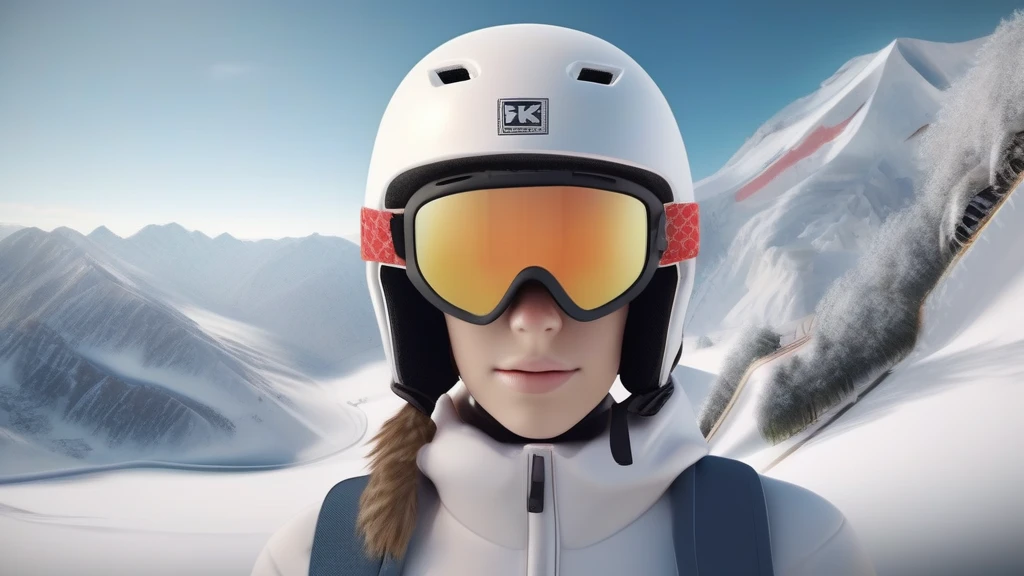
When it comes to winter sports like skiing, snowboarding, ice climbing, or snowmobiling, protecting your head is paramount. Helmets designed for these activities undergo rigorous testing and certification to ensure they meet stringent safety standards. However, the variety of certifications and technologies—such as CE EN 1077, ASTM F2040, and MIPS—can be confusing for consumers trying to make informed choices. This article breaks down what these certifications mean, their significance, and how emerging impact mitigation technologies enhance your helmet’s protective capabilities.
Why Helmet Safety Certifications Matter
Winter sports helmets are not just about style or comfort; they are critical safety gear engineered to reduce the risk of head injuries in falls, collisions, or impacts with hard surfaces. Certifications provide objective assurance that a helmet has passed standardized safety tests, evaluating factors like impact absorption, penetration resistance, and retention system strength.
Choosing a helmet that complies with recognized safety certifications is a crucial step in safeguarding your head. It ensures the helmet has met minimum requirements for impact protection, giving you confidence during high-adrenaline winter activities.
Key Helmet Safety Certifications Explained
CE EN 1077 — European Standard for Alpine Skiing and Snowboarding Helmets
The CE EN 1077 standard is widely recognized in Europe and applies specifically to helmets used for alpine skiing and snowboarding. It is divided into two classes:
- Class A: Helmets designed to provide higher protection, including coverage of the ears.
- Class B: Helmets that offer slightly less coverage, typically without ear protection, focusing on lightweight design.
Testing under EN 1077 includes impact tests using a guided free fall onto an anvil, penetration tests with pointed objects, and checks on strap strength and helmet stability. Helmets certified under this standard must absorb impacts efficiently while maintaining structural integrity, ensuring reliable protection on groomed slopes and in freestyle parks.
ASTM F2040 — North American Standard for Snow Sports Helmets
ASTM International’s F2040 standard is primarily used in the United States and Canada for snow sports helmets. It covers helmets intended for skiing, snowboarding, and related winter activities. The ASTM tests assess impact attenuation, penetration resistance, retention system effectiveness, and coverage.
Notably, ASTM F2040 helmets undergo impact testing at multiple locations on the helmet shell to simulate realistic accident scenarios. This standard ensures helmets can withstand varied impacts common to alpine and freestyle winter sports, making it a trusted certification for North American consumers.
Other Certifications and Standards
While CE EN 1077 and ASTM F2040 dominate the ski and snowboard helmet space, other standards exist for specialized activities:
- ISO 10256: Applies to helmets for alpine skiing but is less common.
- Snell RS-98: A rigorous voluntary standard for ski helmets, known for demanding testing but less prevalent in commercial helmets.
- EN 1384: Often associated with equestrian helmets but sometimes referenced in multi-sport helmets.
Understanding the certification relevant to your region and sport helps guide helmet selection aligned with safety expectations.
What is MIPS and Why is it Important?
The Multi-directional Impact Protection System (MIPS) is an innovative technology designed to reduce rotational forces transferred to the brain during angled impacts. Unlike traditional helmets that primarily absorb direct impact energy, MIPS incorporates a low-friction layer inside the helmet allowing the shell to rotate slightly relative to the head.
How MIPS Enhances Safety
In many skiing and snowboarding accidents, impacts occur at an angle, causing rotational motion that can lead to brain injuries. MIPS technology addresses this by mimicking the brain’s own protective system, which naturally allows some movement within the skull to reduce shear forces.
Helmets equipped with MIPS undergo additional testing to verify that the slip-plane layer effectively reduces rotational acceleration during oblique impacts. This technology complements existing safety certifications, offering an extra layer of protection without compromising helmet weight or comfort.
Choosing the Right Helmet: Balancing Certification and Technology
When selecting a ski or snowboard helmet, consider the certifications alongside advanced safety features like MIPS. Here are a few actionable tips:
- Check for Relevant Certification: Ensure the helmet meets CE EN 1077 if you are in Europe, or ASTM F2040 if you are in North America. For specialized activities like ice climbing or snowmobiling, verify if additional certifications apply.
- Look for MIPS or Equivalent Technology: Helmets featuring MIPS or similar rotational impact mitigation systems provide enhanced protection against complex impacts.
- Match Helmet Class to Your Activity: For aggressive skiing or freestyle snowboarding, Class A (CE EN 1077) helmets with ear coverage may be preferable. For casual use, Class B helmets can offer a lighter feel.
- Fit and Comfort: A helmet’s protective capabilities depend on proper fit. Adjustable fit systems and customizable padding help maintain stability and comfort during long sessions.
- Additional Features: Consider ventilation, goggle compatibility, and ear pad design to tailor your helmet to environmental conditions and personal preferences.
Beyond Certification: The Role of Materials and Design
Modern helmets combine certified safety with materials innovation to optimize protection, weight, and sustainability:
- Shell Materials: Lightweight yet durable shells made from polycarbonate, ABS, carbon fiber, or composite blends provide robust impact resistance without bulk.
- Impact Absorbing Liners: Multi-impact EPS foam and advanced liner foams help absorb shocks from multiple impacts, extending helmet lifespan.
- Ventilation Systems: Strategically placed vents with adjustable covers enhance airflow and prevent fogging, improving comfort.
- Eco-Friendly Manufacturing: Some helmets incorporate recyclable materials and low carbon footprint production processes, appealing to environmentally conscious consumers.
These factors, combined with certifications and technologies like MIPS, contribute to helmets that protect effectively while supporting your performance and values.
Conclusion
Understanding helmet safety certifications such as CE EN 1077 and ASTM F2040 is essential for anyone investing in ski or snowboard head protection. These certifications guarantee that helmets meet rigorous impact and retention standards tailored to winter sports. Complementing these certifications, technologies like MIPS offer cutting-edge defense against rotational brain injuries, enhancing overall safety.
By considering both certification standards and innovative features, winter sports enthusiasts can confidently choose helmets that deliver reliable protection, comfort, and durability—ensuring every adventure on the snow is as safe as it is exhilarating.