
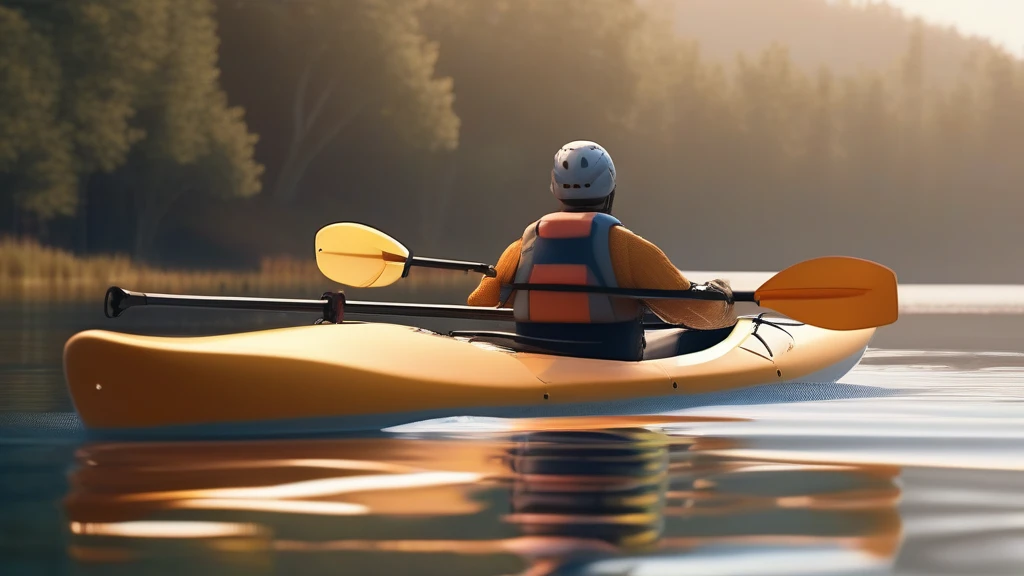
Kayaking is a versatile and enjoyable water sport, offering everything from tranquil lake paddling to exhilarating adventures on choppy rivers or coastal waters. For those interested in tandem kayaks—designed for two or more occupants—the market provides a broad range of options tailored to various skill levels, water conditions, and recreational goals. However, with so many features, materials, and designs to consider, selecting the right tandem kayak can feel overwhelming.
This article offers a deep dive into the key features, materials, and technologies that define tandem kayaks. By understanding what each characteristic means and why it matters, you’ll be better equipped to choose a watercraft that fits your lifestyle, ensures safety, and maximizes enjoyment on the water.
Materials: The Foundation of Durability and Performance
One of the first considerations when selecting a tandem kayak is the material from which it is constructed. The choice of material impacts weight, durability, portability, and maintenance.
High-Density Polyethylene (HDPE) and Rotomolded Plastic
HDPE, often used in rotomolded kayaks, is a popular choice for rigid hulls due to its excellent durability and impact resistance. Rotomolding produces a seamless, tough kayak body capable of withstanding harsh conditions, including rocky shorelines and submerged obstacles.
- Pros: Highly durable, resistant to UV damage and abrasions, low maintenance.
- Cons: Heavier than inflatable or composite kayaks, making transport and loading more challenging.
Fiberglass Reinforced Polymer
Fiberglass kayaks are lighter and stiffer than polyethylene models, offering improved speed and responsiveness—qualities appreciated by performance-oriented paddlers.
- Pros: Lightweight, better hydrodynamics, aesthetically sleek.
- Cons: More fragile than HDPE, prone to cracking or chipping upon impact, usually requires more careful handling and storage.
Inflatable PVC and Marine-Grade Aluminum Frames
Inflatable tandem kayaks combine portability with surprisingly robust construction. PVC materials are often reinforced to resist punctures and abrasions. Some models use marine-grade aluminum in their frames to maintain shape and structural integrity.
- Pros: Extremely portable, compact storage when deflated, quick assembly times (5-20 minutes).
- Cons: Less durable against sharp objects, may require periodic air pressure adjustments, generally less stable in rough water compared to rigid hulls.
Hull Design and Stability: Navigating Different Waters
The hull shape significantly influences tracking, speed, and stability, all of which are crucial for tandem kayaks used in varying water environments.
Stable Hulls for Recreational Use
Kayaks designed for calm lakes or slow-moving rivers often feature wider, flatter hulls. This design prioritizes stability and ease of use, making them ideal for beginners, families, and casual paddlers.
- Benefits: Enhanced initial stability, easier balancing, and more forgiving in calm conditions.
- Example: A tandem kayak with a wide beam of 34–36 inches provides ample stability for children, pets, or gear.
Performance Hulls for Tracking and Speed
Performance-oriented tandem kayaks often have narrower, longer, and more V-shaped hulls. These shapes improve tracking—helping the kayak move straight—and reduce drag for faster paddling.
- Benefits: Better suited for choppy water and longer distances, improved speed and maneuverability.
- Considerations: Requires more skill to balance, less initial stability compared to wider hulls.
Skegs and Rudders
Many tandem kayaks come equipped with skegs or rudders to enhance directional control, particularly useful in windy conditions or tidal currents.
- Skegs: Fixed or retractable fins that improve straight-line tracking without active steering.
- Rudders: More sophisticated and adjustable, allowing the paddler to steer with foot pedals.
Capacity and Comfort: Accommodating People and Gear
Tandem kayaks vary widely in load capacity and cockpit design, affecting how comfortable and practical they are for different users.
Load Capacity
Typical tandem kayaks support between 400 and 600 pounds, factoring in occupants and gear. Heavy-duty models with higher capacities are ideal for families with children, pets, or extensive camping gear.
- Tip: Always select a kayak with a load capacity exceeding your combined weight and gear to ensure safety and performance.
Seating and Ergonomics
Adjustable, padded seats with backrests improve comfort during long excursions. Some models offer collapsible or removable seats to customize space for cargo.
- Additional Features: Foot braces, thigh straps, and adjustable seating positions help paddlers maintain proper posture and control.
Portability and Storage: Practical Considerations for Every Paddler
Transporting and storing a tandem kayak can be challenging due to its size and weight, so features designed to ease these tasks are valuable.
Carry Handles and Built-In Wheels
Integrated carry handles placed at the bow, stern, and cockpit make it easier for two people to carry the kayak. Some models include built-in wheels or detachable dollies that transform the kayak into a wheeled cart for short hauls from the car to the water.
Compact Storage: Folding and Inflatable Options
Inflatable tandem kayaks offer unparalleled portability, deflating into compact bags that fit in a car trunk or small storage space. Foldable kayaks, though less common, feature hinges and flexible frames allowing them to collapse into smaller packages.
- Assembly Time: Most inflatable and folding kayaks can be assembled in 5 to 20 minutes, balancing convenience with on-water performance.
Safety and Certification: Ensuring Peace of Mind
When it comes to watercraft, safety certifications provide assurance that a kayak meets specific standards for stability, buoyancy, and construction quality.
Common Certifications
- US Coast Guard Certification: Indicates compliance with safety and flotation requirements.
- ISO and TÜV: International standards covering quality and safety in manufacturing.
- CE Certification: Confirms conformity with European health, safety, and environmental protection standards.
- Environmental Certifications: Some kayaks use eco-friendly materials or sustainable manufacturing processes, appealing to environmentally conscious paddlers.
Accessories and Added Features That Enhance the Experience
Beyond the core kayak design, additional features and accessories contribute to functionality and convenience.
Bungee Cords and Gear Storage
Elastic bungee cords on the deck secure dry bags, coolers, or fishing equipment. Internal storage compartments and bulkheads can keep belongings dry and organized.
Adjustable or Collapsible Paddles
Paddles that adjust in length or collapse simplify transport and storage, and allow paddlers to customize blade angle and shaft length for comfort and efficiency.
Repair Kits
Many tandem kayaks, especially inflatable models, come with repair kits for quick fixes on the water, extending the kayak's lifespan and ensuring safety.
Choosing the Right Tandem Kayak for Your Needs
With a clearer understanding of key features, consider how your kayaking goals align with product options:
- Beginners and Families: Look for wide, stable hulls constructed from durable polyethylene with high load capacity and comfortable seating. Inflatable models may appeal for their portability.
- Performance Enthusiasts: Seek fiberglass or composite hulls with narrow, V-shaped designs and tracking aids like skegs or rudders.
- Adventurers and Campers: Prioritize models with ample gear storage, high load capacity, and durable materials; consider inflatable kayaks for compact transport.
- Casual Paddlers: Recreational kayaks with easy assembly, comfortable ergonomics, and integrated transport features will provide convenience and satisfaction.
Maintaining and Caring for Your Kayak
Proper maintenance maximizes your kayak’s lifespan and safety.
- Cleaning: Rinse with fresh water after use, especially in saltwater environments.
- Storage: Store kayaks out of direct sunlight in dry, cool places to prevent UV damage and material degradation.
- Inspection: Regularly check hull integrity, seams, and fittings; patch leaks promptly.
- Transport Care: Use padded racks or carriers to avoid scratches and dents during transport.
Conclusion
Selecting the ideal tandem kayak involves more than just picking a model based on looks or price. Understanding materials, hull design, capacity, portability, and safety certifications empowers you to make an informed choice that matches your paddling style, environment, and comfort needs.
By focusing on these critical features, you’ll enjoy safer, more enjoyable outings on the water—whether you’re sharing the experience with a partner, your family, or friends. Use this guide as a foundation to explore tandem kayaks confidently and embark on your next kayaking adventure with clarity and excitement.