
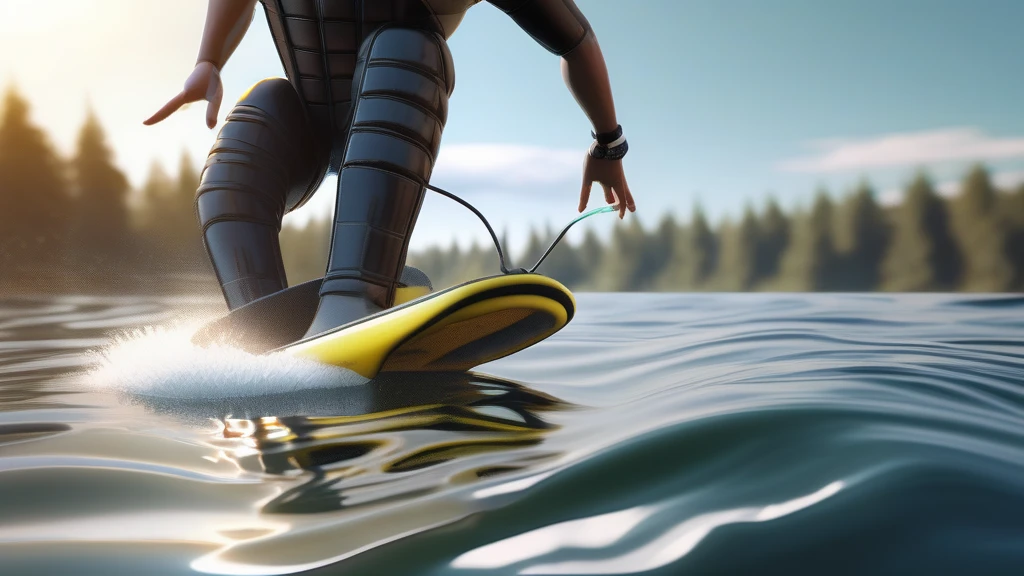
Kneeboarding is a thrilling water sport that combines balance, speed, and agility, appealing to everyone from beginners enjoying family outings to seasoned athletes pushing freestyle boundaries. A critical factor influencing your kneeboarding experience is the fin configuration on your board. Fins play a major role in determining how your board handles, affecting stability, control, and maneuverability on the water. This article breaks down the different fin setups commonly found on kneeboards, helping you understand the trade-offs between stability and maneuverability so you can choose the right board for your skill level and riding style.
The Role of Fins in Kneeboarding
Fins are small, vertical appendages attached to the underside of the kneeboard. Their primary function is to provide directional control and improve tracking, preventing the board from sliding sideways during turns and at high speeds. The size, number, and placement of fins directly influence how the board responds to rider input and water conditions.
In general:
- More fin surface area increases grip and stability but can reduce agility.
- Less or no fins enhance maneuverability but may make the board feel twitchy or harder to control, especially for beginners.
Understanding these dynamics is essential to matching your board’s fin configuration to your kneeboarding goals.
Common Fin Configurations on Kneeboards
No-Fin or Finless Designs
No-fin boards are typically aimed at beginners or casual users prioritizing stability and ease of use. Without fins, the board experiences less drag and can slide more freely, which can make it feel smoother at slower speeds.
Advantages:
- Increased stability at low speeds
- Easier to maintain balance, ideal for novices and family-friendly boards
- Simplified design with fewer parts to maintain
Considerations:
- Reduced tracking ability, making tight turns and carving more difficult
- Less control in choppy water or at higher speeds
No-fin boards are often paired with flat or low-rocker profiles, further enhancing stability for riders just starting out.
Single Fin Setups
A single fin configuration provides a good balance between stability and maneuverability. Positioned centrally toward the tail of the kneeboard, the single fin helps maintain a straight line and enables smoother turns compared to finless boards.
Advantages:
- Improved directional control and tracking
- Enhanced stability without sacrificing too much maneuverability
- Simpler to maintain than multi-fin setups
Considerations:
- Less agile than dual or hybrid fin systems
- May not offer enough grip for aggressive freestyle tricks or high-speed racing
Single fin boards often appeal to intermediate riders progressing beyond beginner stability but not yet requiring complex fin arrangements.
Dual and Hybrid Fin Configurations
Dual fins (two fins spaced apart near the tail) or hybrid setups (combining a central fin with side fins) are designed for advanced riders seeking maximum control and performance. These configurations enhance grip and responsiveness, enabling sharp turns, quick edge transitions, and complex freestyle maneuvers.
Advantages:
- Superior tracking and lateral stability at high speeds
- Increased maneuverability for carving and tricks
- Adjustable or detachable fins allow customization based on water conditions and rider preference
Considerations:
- Require greater skill to control effectively
- Increased drag can slightly reduce top speed
- More components mean extra maintenance and potential for damage
Boards with dual or hybrid fins are frequently constructed from premium materials like carbon fiber to maximize responsiveness while minimizing weight.
How Fin Configuration Affects Stability and Maneuverability
Finding the right balance between stability and maneuverability is key to enjoying kneeboarding safely and effectively. Here’s how fin setups influence these two essential qualities:
| Fin Configuration | Stability | Maneuverability | Best For |
|---|---|---|---|
| No Fin | High | Low | Beginners, family fun, casual use |
| Single Fin | Moderate | Moderate | Intermediate riders, recreational |
| Dual/Hybrid Fins | Moderate | High | Advanced riders, freestyle, competition |
For example, if you are new to kneeboarding or looking for a forgiving board for family outings, a finless or single fin board with a flat rocker profile will provide confidence and ease of control. Conversely, if you aim to perform tricks or compete, a board equipped with adjustable dual or hybrid fins will give you the grip and responsiveness needed for dynamic maneuvers.
Additional Factors to Consider Alongside Fins
While fin configuration is crucial, other design elements also impact stability and handling:
- Rocker Profile: Flat or low rocker boards track straighter and are more stable, suited for beginners. High or continuous rocker profiles improve agility and speed, favored by advanced riders.
- Materials: Lightweight composites and carbon fiber improve board responsiveness but can be less forgiving. Durable polyurethane or fiberglass boards offer balanced performance and longevity.
- Strap and Pad Design: Adjustable ergonomic straps and non-slip EVA padding enhance rider comfort and control, indirectly supporting stability.
Maintenance and Customization Tips
Maintaining your fins and adjusting your setup can extend the life of your kneeboard and tailor your ride experience:
- Regularly check fin attachment points for wear or damage to avoid loss during use.
- Clean fins and board after each session to prevent corrosion, especially in saltwater environments.
- Experiment with fin sizes and positions if your board supports it, to find the ideal balance for specific water conditions or skill progressions.
- Store boards properly, keeping fins protected and avoiding prolonged sun exposure to preserve materials and coatings.
Sustainability and Safety in Kneeboard Design
The kneeboarding industry is increasingly adopting eco-friendly manufacturing methods, using recyclable components and low carbon footprint materials. Certification standards such as TÜV, marine safety, and ISO ratings ensure that boards meet rigorous safety and quality benchmarks.
Choosing a board with these certifications and sustainable features not only supports environmental responsibility but also assures you of reliable performance and durability on the water.
Conclusion
Understanding kneeboard fin configurations is essential for selecting the right board that complements your skill level, riding style, and water conditions. From finless designs offering beginner-friendly stability to advanced dual and hybrid fin setups enabling high-performance maneuvers, each configuration presents distinct advantages and trade-offs.
By considering fin type alongside rocker profile, materials, and safety features, you can make an informed choice that enhances your kneeboarding experience—whether you’re enjoying family fun, honing freestyle tricks, or competing at advanced levels. Proper maintenance, customization, and attention to sustainability further ensure your board remains a trusted companion for years of aquatic adventure.