
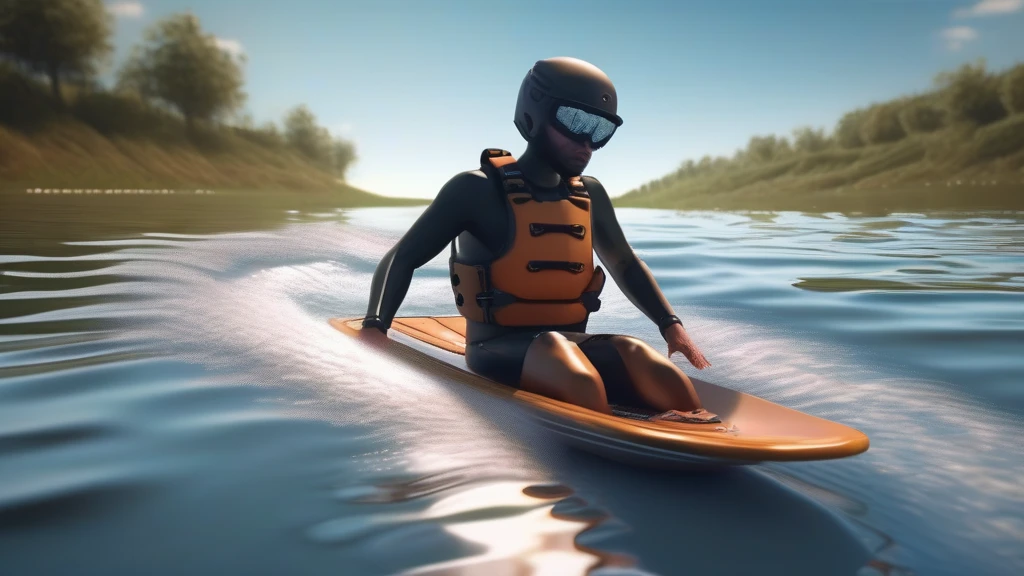
Kneeboarding is a thrilling water sport that blends the exhilaration of speed with the skill of balance and control. Whether you’re a beginner seeking family fun or a seasoned athlete chasing competitive glory, selecting the right kneeboard can profoundly impact your experience on the water. This comprehensive guide dives deep into the essential features of kneeboards—explaining what they mean, why they matter, and how to choose the perfect board for your skill level and style.
The Core Construction: Materials and Durability
Lightweight Yet Robust Materials
Kneeboards are constructed from a variety of materials designed to optimize strength, weight, and durability:
-
Fiberglass and Composite Boards: Common in mid-range models, fiberglass offers a balance of sturdiness and flexibility. Composite constructions often combine fiberglass with other materials, enhancing durability without adding excessive weight.
-
Polyurethane Cores: Many boards feature PU cores, prized for shock absorption and buoyancy. This material helps maintain stability and resilience in rough water conditions.
-
Premium Carbon Fiber: Advanced or competition-grade kneeboards often use carbon fiber layers, making them incredibly lightweight and highly responsive. Carbon fiber boards excel in freestyle and racing scenarios where agility and quick maneuvering are paramount.
Sustainability in Manufacturing
An emerging trend in the kneeboard industry is the adoption of eco-friendly manufacturing processes. Boards made using low-carbon footprint methods and recyclable components reflect growing environmental responsibility. For eco-conscious riders, selecting a board with certifications or claims of sustainable production can align your passion for the sport with your values.
Weatherproof Coatings and UV Resistance
All quality kneeboards incorporate protective coatings—waterproof finishes and UV-resistant layers—that shield the board from sun damage, saltwater corrosion, and general wear. These features are crucial for prolonging the lifespan of your kneeboard and maintaining performance over time.
Rider Comfort and Safety Features
Padding and Straps
Comfort is key in kneeboarding, especially during extended sessions:
-
EVA and High-Density Foam Pads: Soft EVA foam or high-density padding covers the kneeling area, reducing fatigue and preventing discomfort from prolonged kneeling. These pads are also textured to provide a non-slip surface, ensuring secure footing.
-
Ergonomic Adjustable Straps: Adjustable straps keep your knees firmly in place, enhancing control and safety. Ergonomic designs accommodate different leg sizes and allow quick adjustments even on the water.
Fin Configurations and Their Impact
Fins are critical for steering and stability, with variations tailored to skill level and riding style:
-
No-Fin Designs: Ideal for beginners and family-friendly boards, these provide greater stability and reduce the learning curve. The absence of fins minimizes sudden directional changes, helping novices maintain balance.
-
Dual or Hybrid Fins: More advanced riders benefit from adjustable or detachable fin setups. Dual fins increase maneuverability, enabling precise turns and tricks. Hybrid fins combine the benefits of single and multiple fins, offering a customizable ride experience for freestyle and competitive kneeboarding.
Rocker Profiles: Shaping Ride Dynamics
The rocker profile—the curvature of the board from nose to tail—greatly influences speed, stability, and agility:
-
Flat or Low Rocker: Boards with minimal curvature provide maximum surface contact with the water, enhancing stability. These are perfect for beginners and family-oriented boards where ease of use is prioritized.
-
Continuous or High Rocker: Boards with pronounced rocker curves lift the nose and tail, reducing drag and enabling sharper turns and higher speeds. Competitive and freestyle kneeboards typically feature these profiles to support advanced maneuvers and quick responsiveness.
Choosing the Right Kneeboard for Your Skill Level
Beginner and Family Kneeboards
For those new to kneeboarding or seeking casual family outings, stability and comfort are paramount.
-
Look for boards with flat rockers and no-fin or single-fin designs to ease balance challenges.
-
Prioritize thicker EVA padding and adjustable straps for comfort and safety.
-
Durable fiberglass or composite materials offer reliability without extra cost.
-
Accessories like carry bags, repair kits, and kneepads are often included to enhance convenience.
Intermediate and Enthusiast Boards
Riders progressing in skill will want more control and performance features:
-
Boards with dual or hybrid fin setups allow sharper turns and better handling.
-
Moderate rocker profiles balance speed with maneuverability.
-
Construction may include lighter composites and partial carbon fiber layers.
-
Look for weatherproof and UV-resistant finishes to maintain quality through frequent use.
Professional and Competitive Kneeboards
Athletes competing in freestyle or racing will seek top-tier performance characteristics:
-
Full carbon fiber construction for ultra-lightweight, stiffness, and responsiveness.
-
High rocker profiles to maximize agility and speed.
-
Adjustable fins for personalized control during tricks and turns.
-
Compliance with international safety certifications such as TÜV, marine safety, and ISO standards ensures equipment reliability.
-
Minimal padding focused on performance but retaining essential comfort features.
Additional Considerations: Maintenance, Transport, and Storage
Maintenance Tips
-
Rinse your kneeboard thoroughly with fresh water after each use to remove salt and debris.
-
Check straps and fins regularly for wear and tear; replace or repair as needed.
-
Avoid prolonged exposure to direct sunlight when not in use to protect UV coatings.
Transport and Storage
-
Use padded carry bags to prevent scratches and dings during transport.
-
Store boards in cool, dry places away from extreme temperatures.
-
If storing for extended periods, loosen straps to maintain elasticity and shape.
Environmental and Safety Certifications: What to Look For
Selecting kneeboards with recognized certifications can provide peace of mind:
-
TÜV Certification: Indicates rigorous safety and quality testing.
-
Marine Safety Standards: Ensures suitability for aquatic use and compliance with environmental guidelines.
-
ISO Certifications: Reflect adherence to international manufacturing and safety protocols.
Boards carrying these certifications signal a commitment to quality and rider safety, especially important for competitive athletes and families alike.
Final Thoughts: Balancing Performance, Comfort, and Sustainability
Understanding the technical features of kneeboards empowers you to choose the right equipment tailored to your needs. Whether it’s the material composition, fin configuration, rocker profile, or safety features, each aspect plays a vital role in your kneeboarding experience.
As the sport evolves, so do the technologies and sustainability efforts embedded in these boards. Embracing eco-friendly manufacturing, durable designs, and certified safety standards ensures you enjoy your time on the water with confidence and care for the environment.
By considering your skill level, intended use, and personal preferences—alongside the detailed features explored here—you can select a kneeboard that not only performs well but also enhances your enjoyment and safety across every ride.