
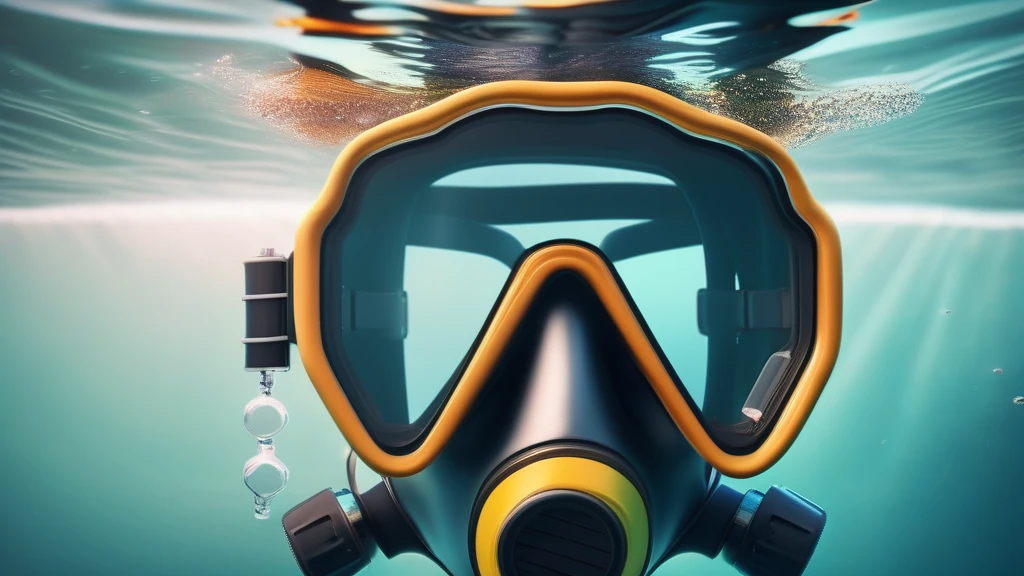
When it comes to diving and snorkeling masks, clear vision underwater is essential—for safety, enjoyment, and performance. However, the underwater environment presents unique challenges for visibility, including fogging, glare, and harmful ultraviolet (UV) rays. To address these issues, mask manufacturers incorporate specialized lens coatings designed to enhance clarity and protect your eyes.
In this article, we’ll explore three common types of lens coatings found in diving and snorkeling masks: anti-fog, polarized, and UV protection. Understanding how each coating works and the benefits they provide will empower you to select the ideal mask for your aquatic adventures.
Why Lens Coatings Matter in Diving and Snorkeling Masks
Before diving into the specifics, it’s important to appreciate the role lens coatings play in underwater eyewear. Unlike everyday glasses or sunglasses, diving masks must maintain clear vision in a constantly changing environment—where temperature shifts, water reflection, and sunlight intensity can quickly impair your view.
Lens coatings improve functionality by:
- Preventing water vapor buildup on the inside of the lens (anti-fog)
- Minimizing glare from the water’s surface and underwater reflections (polarized)
- Shielding your eyes from damaging UV rays, particularly in shallow, sunlit waters (UV protection)
Each coating targets a different challenge, and many high-quality masks combine multiple coatings for maximum benefit.
Anti-Fog Coatings: Keeping Your View Clear
The Fogging Problem
Fogging occurs when warm, moist air from your breath or skin contacts the cooler lens surface, causing condensation. This fog layer blurs your vision and can be frustrating or dangerous underwater.
How Anti-Fog Coatings Work
Anti-fog coatings are typically microscopic hydrophilic (water-attracting) layers applied to the interior surface of the mask lens. Instead of allowing water droplets to form discrete fog particles, the coating causes moisture to spread evenly as a thin, transparent film that doesn’t obstruct your view.
Benefits of Anti-Fog Coatings
- Enhanced Visibility: Reduces or eliminates fog buildup, ensuring consistent clarity
- Convenience: Minimizes the need for manual defogging during dives or snorkels
- Durability: Many coatings are designed to last through repeated use and cleaning
Tips for Maintaining Anti-Fog Coatings
- Avoid touching or wiping the inside lens surface with your fingers, which can damage the coating
- Rinse with fresh water after use and air dry naturally
- Use gentle, non-abrasive detergents or specialized anti-fog sprays to replenish coatings when needed
Polarized Coatings: Reducing Glare for Better Contrast
What Causes Glare Underwater?
Sunlight reflecting off the water’s surface can create intense glare, making it difficult to see clearly beneath the waves. This effect is especially pronounced on sunny days or in calm water conditions.
How Polarized Coatings Help
Polarized lenses contain a special filter that blocks horizontally polarized light waves, which are primarily responsible for glare. By filtering out these reflections, polarized coatings improve visual contrast and reduce eye strain.
Advantages of Polarized Diving and Snorkeling Masks
- Improved Underwater Visibility: Enhanced contrast helps you distinguish shapes, colors, and movement more easily
- Reduced Eye Fatigue: Less glare means your eyes tire less quickly, improving comfort during extended sessions
- Better Surface Viewing: Polarization helps when scanning the water surface from above, useful for spotting marine life or hazards
Considerations When Choosing Polarized Masks
While polarization is excellent for bright, sunny conditions, it may reduce visibility in low-light or murky waters. Some users prefer masks with removable polarized lenses or dual options to suit varying environments.
UV Protection Coatings: Safeguarding Your Eyes
Why UV Protection Is Crucial
Water reflects and amplifies sunlight, including ultraviolet rays, which can harm your eyes during prolonged exposure. UV radiation is linked to cataracts, photokeratitis (corneal sunburn), and other eye conditions.
Lens Coatings for UV Defense
UV-protective coatings block or absorb harmful ultraviolet rays before they reach your eyes. These coatings are often integrated into the lens material or applied as a thin film on the outer surface.
Benefits of UV-Protective Masks
- Eye Health Preservation: Reduces risk of long-term UV-related eye damage
- Comfort in Bright Conditions: Helps prevent glare and squinting caused by intense sunlight
- Versatility: Essential for surface activities like snorkeling or freediving in sunny climates
Additional UV Protection Tips
- Look for masks that specify UV400 or 100% UV protection for comprehensive coverage
- Combine UV coatings with polarized lenses for enhanced sun protection and glare reduction
- Use wide-brimmed hats or rash guards with collars when on boats or beaches to supplement eye protection
Combining Lens Coatings for Optimal Performance
Many modern diving and snorkeling masks incorporate multiple coatings to tackle various underwater visibility challenges simultaneously. For example, a mask might feature:
- Anti-fog coating on the inside for clear vision
- Polarized lenses to cut glare from sun and water surface
- UV protection on the outer lens surface for eye safety
This combination is particularly valuable for activities like snorkeling in tropical waters or freediving in bright daylight, where fogging, glare, and UV exposure can all occur at once.
Choosing the Right Lens Coatings for Your Activity and Environment
Recreational Snorkeling and Diving
Beginners often benefit most from anti-fog coatings, as fogging can be the most immediate visibility issue. Adding UV protection is advisable if snorkeling in sunny, shallow waters.
Freediving and Spearfishing
These activities demand clear, glare-free vision to spot prey and navigate underwater terrain efficiently. Polarized lenses paired with anti-fog coatings offer enhanced contrast and steady visibility. UV protection remains beneficial during surface intervals.
Underwater Photography
Photographers need distortion-free, clear views to frame shots perfectly. A combination of anti-fog, polarized, and UV protection coatings ensures consistent clarity and eye comfort during long sessions.
Final Thoughts: Lens Coatings Enhance Safety and Enjoyment
Understanding the functions and benefits of lens coatings empowers you to select diving and snorkeling masks tailored to your specific needs. Anti-fog coatings reduce frustrating condensation, polarized lenses cut distracting glare, and UV protection safeguards your eyes in bright aquatic environments.
By choosing masks equipped with the right lens coatings and maintaining them properly, you can enjoy clearer, more comfortable, and safer underwater experiences—whether you’re a casual snorkeler, freediver, or professional underwater photographer.
Additional Maintenance Tips for Lens Coatings
- Always rinse masks with fresh water after use to remove salt, sand, and chlorine
- Store masks in a protective case to prevent scratches and coating damage
- Avoid harsh chemicals or abrasive cleaning tools on coated lenses
- Reapply anti-fog treatments periodically following manufacturer instructions
With proper care, masks with advanced lens coatings can provide years of reliable underwater vision, enhancing every aquatic adventure.