
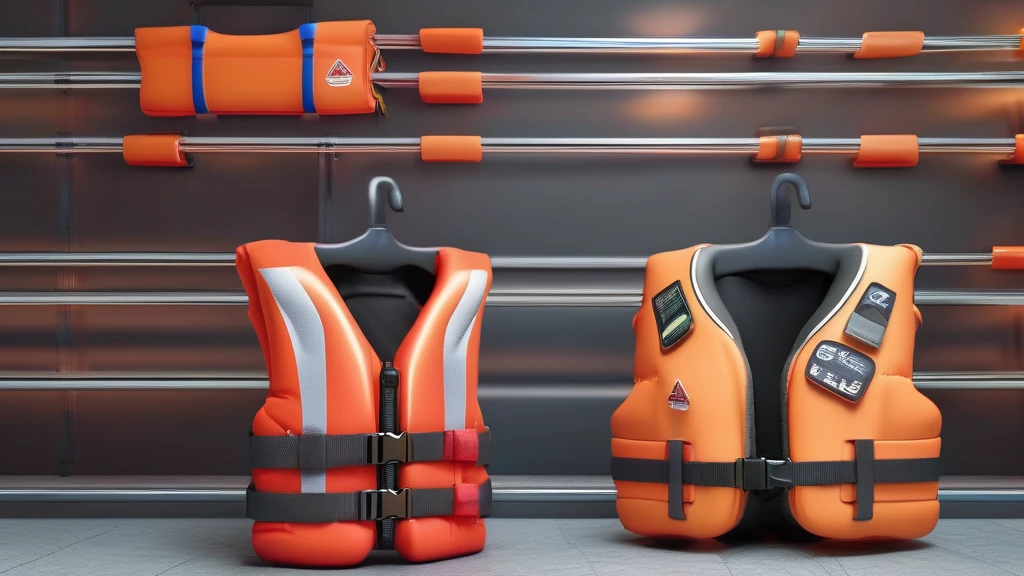
When it comes to boating and water sports, safety is paramount. Life jackets are the cornerstone of personal flotation and rescue readiness, designed to keep you afloat and protected in diverse aquatic environments. However, not all life jackets are created equal, and understanding the key features, materials, and certifications behind these devices can make a significant difference in your safety and comfort on the water. This article provides a comprehensive exploration of life jacket features—explaining what each means and why it truly matters for your water adventures.
Decoding US Coast Guard Life Jacket Types: Matching Safety to Activity
The US Coast Guard classifies life jackets into five distinct types based on buoyancy, intended use, and design. Choosing the correct type is vital to ensure adequate flotation and regulatory compliance.
Type I: Offshore Life Jackets — Maximum Buoyancy for Rough Conditions
Type I life jackets offer the highest level of buoyancy, typically 22 pounds or more, designed for offshore and open water use where rescue may be delayed. These models often feature durable closed-cell foam cores enclosed in UV-resistant ripstop nylon or marine-grade vinyl, providing robust flotation even if the jacket sustains damage. Their bulkier profile ensures that most wearers are turned face-up in the water, a critical feature in rough seas. For commercial mariners and offshore fishermen, Type I jackets are a standard safety requirement.
Type II: Near-Shore Life Jackets — Moderate Buoyancy for Calm Waters
Type II jackets offer moderate buoyancy, generally 15.5 pounds, intended for calm, inland waters where quick rescue is likely. These jackets are less bulky than Type I, often made with polyester outer shells and foam cores for comfortable, prolonged wear. They provide basic face-up support but may not reliably turn an unconscious person. Recreational boaters and family users often opt for Type II jackets for near-shore outings.
Type III: Recreational Life Jackets — Comfort and Flexibility
Type III life jackets prioritize comfort and mobility, making them ideal for kayaking, paddleboarding, sailing, and other active water sports. They provide standard buoyancy (around 15.5 pounds) with ergonomic designs and adjustable buckles for a snug fit. Materials like hybrid foam cores combined with durable polyester or ripstop nylon shells offer a balance of flotation and flexibility. Many Type III jackets include reflective tape, whistles, and rescue handles, enhancing safety without sacrificing freedom of movement.
Type IV: Throwable Flotation Devices — Emergency Use Only
Unlike wearable jackets, Type IV devices such as ring buoys and throwable cushions are designed to be thrown to a person in distress. These are typically made from marine-grade vinyl with closed-cell foam interiors, ensuring they remain buoyant and visible. While essential for emergency preparedness on boats, they are not substitutes for wearable life jackets.
Type V: Specialized Life Jackets — Tailored for Specific Activities
Type V jackets include specialized or hybrid designs with features adapted for particular water sports or occupational uses, such as inflatable bladders activated manually or automatically. These jackets often incorporate advanced materials and technologies like low-profile inflatable chambers, biodegradable coatings, and integrated emergency light mounts, catering to activities from whitewater rafting to rescue operations.
Material Innovations and Sustainability: Beyond Buoyancy
Modern life jackets not only focus on flotation but also incorporate innovative materials to enhance durability, comfort, and environmental responsibility.
Durable, UV-Resistant Shells
Outer shells crafted from ripstop nylon or polyester stand up to abrasion, sun exposure, and saltwater corrosion. Marine-grade vinyl, known for its toughness and water resistance, is common in commercial-grade and Type I jackets. UV-resistant coatings extend the lifespan of life jackets by preventing fabric degradation.
Advanced Foam and Inflatable Technologies
Traditional closed-cell foam cores provide reliable buoyancy without absorbing water. Some jackets utilize hybrid foam cores, combining foam with inflatable bladders to reduce bulk and improve packability. Inflatable life jackets use CO2 cartridges for rapid inflation, offering higher comfort and compactness but requiring careful maintenance and user awareness.
Eco-Conscious Manufacturing
Sustainability trends have led manufacturers to adopt biodegradable coatings and recyclable foams, reducing the environmental footprint of life jackets. Some newer models feature low carbon footprint production methods, appealing to eco-conscious consumers who prioritize both safety and environmental stewardship.
Safety Features That Make a Difference
Beyond buoyancy and materials, life jackets include a range of safety features designed to maximize visibility, ease of use, and emergency readiness.
High-Visibility Colors and Reflective Elements
Bright hues such as orange, yellow, red, and even vibrant blues enhance visibility in daylight, while reflective tape and glow-in-the-dark strips increase detectability at night or in poor weather. These features are crucial for quick rescue response.
Adjustable and Reinforced Buckles with Quick-Release Mechanisms
Secure and comfortable fit depends on robust buckles and adjustable straps. Reinforced buckles withstand marine conditions, while quick-release designs allow rapid removal during emergencies or when entering and exiting boats.
Integrated Emergency Accessories
Many life jackets come equipped with whistles for signaling, rescue handles for easy grabbing, and mounts for emergency lights. These features boost safety by facilitating communication and aiding rescuers during nighttime or low-visibility incidents.
Anti-Slip Designs and Ergonomic Fits
Textured surfaces or silicone grips on the interior prevent jackets from riding up, crucial for maintaining effective flotation and comfort. Ergonomic cuts tailored for specific activities—such as kayaking or paddleboarding—reduce restriction and fatigue during prolonged wear.
Choosing the Right Life Jacket for Your Water Activity
Different aquatic sports and professions demand life jackets with specialized features:
- Kayaking and Paddleboarding: Opt for lightweight Type III jackets with ergonomic fits, hybrid foam-inflatable designs, and enhanced mobility.
- Fishing and Sailing: Durable Type I or II jackets with high buoyancy, reinforced buckles, and multiple pockets for gear storage.
- Commercial Maritime and Offshore Use: Type I jackets offering maximum flotation, UV-resistant marine-grade vinyl, and emergency light mounts.
- Family and Recreational Boating: Type II jackets balancing comfort and buoyancy, with bright colors and reflective accents for easy spotting.
- Rescue and Emergency Personnel: Type V inflatable jackets with rapid inflation and integrated rescue features.
Proper Fit and Maintenance: Ensuring Lifesaving Performance
A life jacket’s effectiveness hinges on a proper fit and diligent upkeep.
Ensuring Secure Fit
Measure chest size and torso length to select the appropriate size. Adjust straps and buckles snugly to prevent the jacket from slipping off in the water. Test fit by raising your arms and pulling upward; the jacket should stay securely in place.
Inspection and Care Tips
Regularly check for tears, worn straps, damaged buckles, and foam compression. Inflatable jackets require periodic cartridge and bladder inspections. Rinse life jackets with fresh water after saltwater exposure and dry thoroughly to prevent mildew and degradation. Store jackets in cool, ventilated areas away from direct sunlight.
Understanding Certifications and Standards
Certified life jackets meet stringent safety criteria, ensuring reliability and performance.
- US Coast Guard Approval: Mandatory for most boating activities in the United States, indicating compliance with flotation and design standards.
- ISO and CE Marks: International standards verifying quality and safety for life jackets used worldwide.
- TÜV Certification: European testing body certification emphasizing durability and user safety.
Choosing certified life jackets guarantees adherence to rigorous testing protocols and regulatory requirements.
Innovations in Inflatable Life Jackets: Pros and Cons
Inflatable life jackets offer a modern alternative to traditional foam models.
Advantages
- Lightweight and less bulky; ideal for activities requiring agility.
- Compact for easy storage and portability.
- Automatic or manual inflation options increase user control.
Considerations
- Require regular maintenance to ensure CO2 cartridges and inflation mechanisms function properly.
- Not recommended for non-swimmers or children without supervision, as they depend on user activation.
- Generally more expensive than foam jackets.
Emergency Preparedness: The Role of Throwable Devices
Alongside wearable jackets, throwable cushions and ring buoys (Type IV devices) are vital emergency tools.
- Throwables: Made from marine-grade vinyl with foam interiors, designed to be deployed quickly to distressed swimmers.
- Strategic Placement: Keep throwables accessible on boats and docks to complement life jackets during rescues.
- Training: Familiarize all boaters with proper use to maximize effectiveness in emergencies.
Conclusion
Life jackets are indispensable safety gear for anyone enjoying water sports or boating. Understanding the nuances of life jacket types, materials, safety features, and certifications empowers you to select the right device tailored to your activity and environment. Whether you prioritize maximum buoyancy for offshore adventures or lightweight comfort for paddleboarding, investing time in learning about life jacket features can save lives. Remember, a well-chosen, properly fitted, and well-maintained life jacket is your best defense on the water—combining technology, design innovation, and sustainability to keep you safe and confident.