
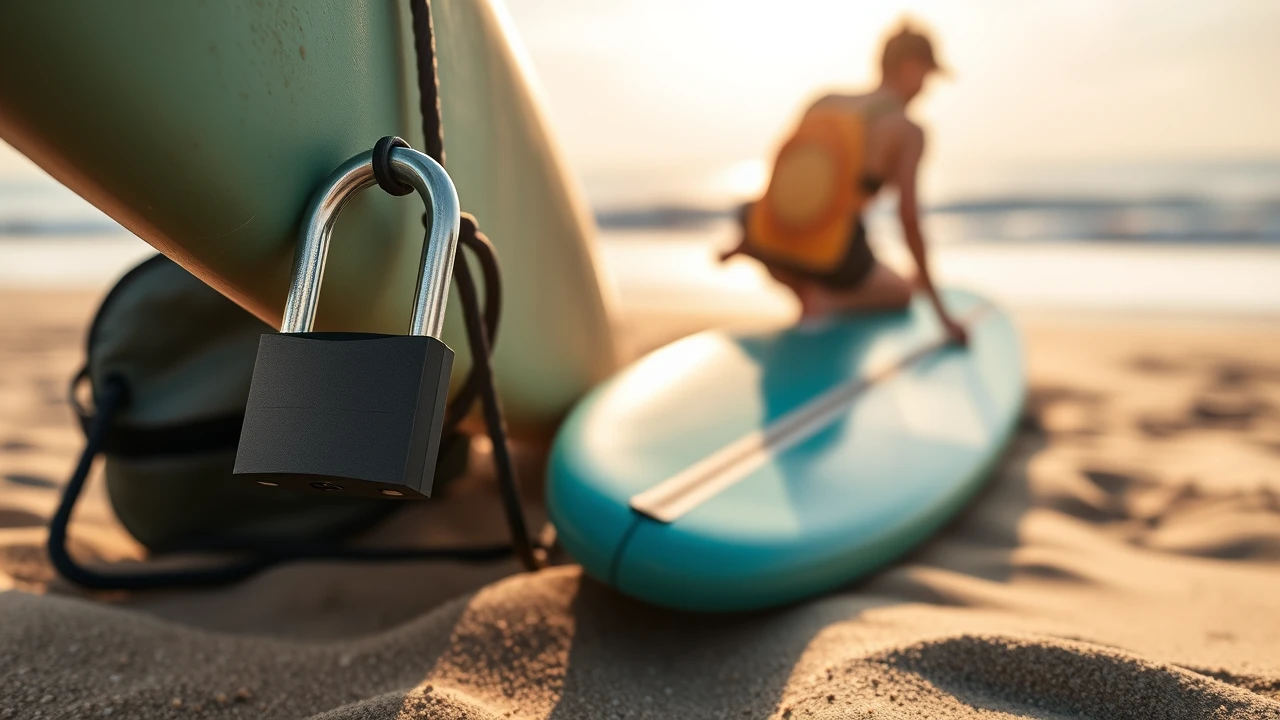
When it comes to protecting your valuable surf gear and outdoor equipment, choosing the right lock is essential. High-quality padlocks designed for marine and coastal environments offer more than just a basic barrier—they bring peace of mind by combining durability, corrosion resistance, and reliable security features. However, not all locks are created equal, and understanding lock ratings and certifications can help you select a product that truly stands up to the harsh conditions of saltwater, sand, and extreme weather.
In this article, we’ll explore the key lock ratings and certifications relevant to outdoor security locks, explain what they mean in practical terms, and provide actionable advice for surfers and outdoor enthusiasts aiming to safeguard their gear effectively.
Why Lock Ratings and Certifications Matter
Locks designed for surf gear and marine environments face unique challenges that standard locks often cannot withstand. Exposure to saltwater accelerates corrosion, while frequent impacts and abrasive sand demand materials that retain strength and function over time. Lock ratings and certifications serve as benchmarks—offering verified information about a lock’s performance, durability, and security features under defined conditions.
For someone protecting surfboards, wetsuits, or beach lockers, a lock’s rating can be the difference between a reliable safeguard and premature failure. Certifications also help avoid the guesswork by identifying locks that have passed rigorous independent testing, ensuring that you invest in a product tailored for your needs.
Common Lock Ratings and What They Mean
1. Security Ratings: Grading Resistance to Physical Attacks
Security ratings measure how well a lock withstands tampering, cutting, and forced entry attempts. Organizations like Underwriters Laboratories (UL) or the Sold Secure scheme provide standardized grading systems.
- UL 437 / UL 634: These ratings indicate high-security padlocks tested against picking, drilling, and physical attacks. While more common in high-end commercial locks, a UL rating suggests a robust locking mechanism.
- Sold Secure Gold, Silver, Bronze: Sold Secure is a UK-based testing organization offering grades based on the lock’s resistance to attacks such as bolt cutters, saws, and drills. Gold-rated locks offer the highest security level and are ideal for areas with high theft risk.
For surf gear, a lock with at least a Silver-level Sold Secure rating or equivalent is recommended to deter opportunistic thieves without excessive cost or weight.
2. Corrosion Resistance Ratings: Ensuring Longevity in Marine Conditions
Because saltwater and humid coastal environments accelerate rust and corrosion, corrosion resistance is vital.
- Salt Spray Test (ASTM B117): This is a common test simulating prolonged exposure to salty environments. Locks that pass have coatings or materials that resist rust for extended periods.
- Marine Grade Materials: Locks made from stainless steel (316 grade or higher), brass, or specially treated alloys typically offer superior corrosion resistance.
- IP Ratings (Ingress Protection): Some locks are rated for dust and water ingress (e.g., IP65 or IP67), indicating their ability to keep internal components free from moisture and debris. Higher IP ratings correlate with better weatherproof performance.
Choosing locks with proven corrosion resistance ensures your lock won’t seize up or degrade quickly, maintaining functionality season after season.
Keyed vs. Combination Locks: Understanding Your Options
Both keyed and combination padlocks have their merits when it comes to securing surf and outdoor gear. Understanding how each aligns with lock ratings and certifications can guide your choice.
Keyed Locks
- Advantages: Typically feature fewer moving parts exposed to the elements, which can mean longer durability and fewer malfunctions. Keyed locks often come with hardened shackles resistant to cutting.
- Security: Many keyed locks carry higher security ratings due to more complex internal mechanisms.
- Drawbacks: Risk of losing keys and less convenience for sharing access unless multiple keys are provided.
Combination Locks
- Advantages: No keys required, making them convenient for quick access and sharing. Modern combination locks often feature resettable codes for personalized security.
- Security: While combination locks can be highly secure, some lower-end models may be vulnerable to manipulation or wear that reveals the combination.
- Durability: Exposure to salt and sand can sometimes cause combination dials or mechanisms to become sticky unless the lock is weatherproof.
For marine use, combination locks with high corrosion resistance and sealed mechanisms are ideal for users valuing convenience without compromising security. Keyed locks may suit those prioritizing maximum resistance to physical attacks.
Practical Tips for Securing Your Surf Gear with Rated Locks
1. Match Lock Strength to Your Risk Level
If you’re securing gear in crowded, high-traffic beach areas, opt for locks with higher security ratings (e.g., Sold Secure Silver or Gold). For calm, low-risk environments, corrosion resistance and weatherproofing might be your priority.
2. Prioritize Corrosion-Resistant Materials
Look for locks specifying marine-grade stainless steel or specialized coatings. Even the most secure lock can fail prematurely if rust compromises its mechanism.
3. Consider Lock Size and Shackle Thickness
Heavier, thicker shackles tend to resist cutting better but may be less portable. Balance security requirements with ease of carrying and use.
4. Maintain Your Locks Regularly
Even corrosion-resistant locks benefit from periodic cleaning and lubrication with marine-grade sprays. This helps prevent sand buildup and ensures smooth operation.
5. Use Multiple Locks for Added Security
When possible, secure different parts of your gear with separate locks. This layered approach complicates theft attempts.
Conclusion
Understanding lock ratings and certifications is a crucial step toward selecting a padlock that provides ultimate security for surf gear and outdoor equipment. By paying attention to standardized security grades and corrosion resistance benchmarks, you can confidently choose locks engineered to withstand the rigors of coastal environments.
Whether you prefer the convenience of a combination lock or the robustness of a keyed system, prioritizing materials and certifications that address the challenges of saltwater, sand, and weather will ensure your valuable gear stays protected. Combine these insights with regular maintenance and smart security practices, and you’ll enjoy many worry-free surf sessions with your equipment safely locked down.