
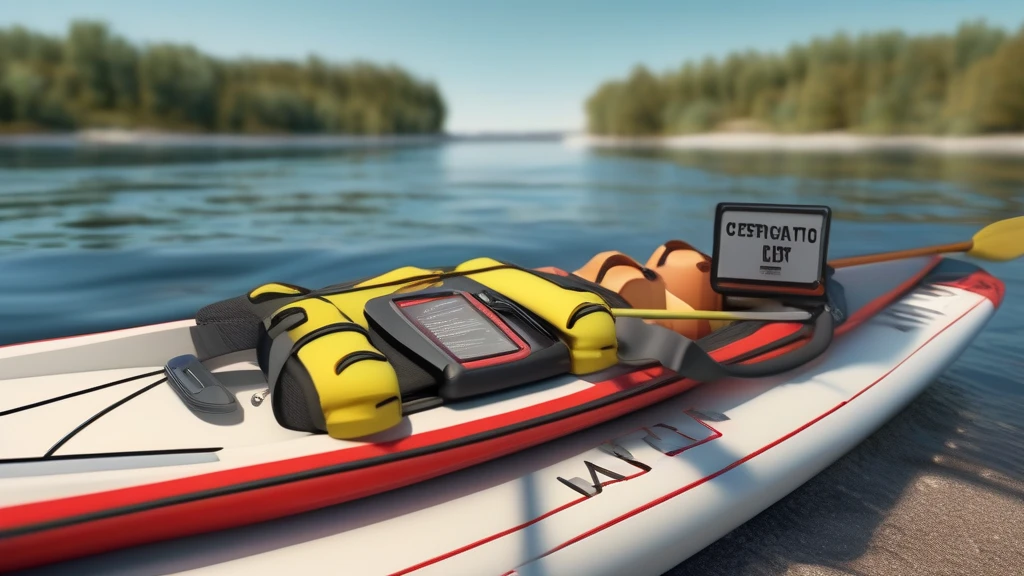
Boating and rafting offer thrilling opportunities to connect with nature, explore waterways, and enjoy outdoor recreation. Whether you’re a seasoned paddler, a weekend adventurer, or a DIY enthusiast maintaining your kayak or canoe, safety should always be a top priority. One vital aspect of boating safety is choosing accessories and hardware that meet recognized marine safety certifications. These certifications ensure products are reliable, durable, and environmentally responsible—key factors that protect you on the water and preserve the ecosystems you enjoy.
In this article, we’ll explore the importance of marine safety certifications for boating accessories, how to identify certified products, and what features to prioritize when equipping your watercraft for safe and enjoyable paddling.
Why Marine Safety Certifications Matter
Marine safety certifications are third-party validations that boating accessories meet industry standards for quality, safety, and environmental impact. These standards are developed by international and regional organizations such as ISO (International Organization for Standardization), TÜV (Technischer Überwachungsverein, a German safety certification), CE (Conformité Européenne for European compliance), and specific marine safety rating bodies.
When boating accessories carry these certifications, it means:
- Performance and Durability: The product has undergone rigorous testing to withstand harsh marine environments, including exposure to saltwater, UV rays, and mechanical stress.
- Safety Assurance: Certified products reduce the risk of failure during critical moments, such as mounting hardware holding your gear securely or repair kits effectively patching hull damage.
- Environmental Responsibility: Many certifications also include criteria for eco-friendly materials and manufacturing processes, helping reduce pollution and harm to aquatic habitats.
- Consumer Confidence: Buying certified products provides peace of mind that you’re investing in gear designed for safe and responsible boating.
Key Certifications to Look For in Boating Accessories
Understanding the most common certifications helps you make informed choices when selecting mounting brackets, handles, fasteners, repair kits, and other boating gear.
ISO (International Organization for Standardization)
ISO standards cover a broad range of boating equipment, including materials, corrosion resistance, and product performance. ISO-certified marine accessories often demonstrate superior durability and compatibility with various watercraft types.
TÜV Certification
TÜV testing focuses on safety and reliability, often verifying that materials meet strict mechanical and environmental standards. TÜV certification is a strong indicator of product longevity and resistance to wear and tear.
CE Marking
The CE mark signifies compliance with European safety, health, and environmental protection requirements. For boating accessories, this often includes waterproofing, UV resistance, and non-toxicity of materials.
Marine Safety Ratings
Some products carry specialized marine safety ratings issued by marine industry organizations or government agencies. These ratings assess how well accessories perform under real-world boating conditions, such as load capacity for mounting hardware or sealing effectiveness for repair kits.
What to Consider When Choosing Certified Boating Accessories
Material Composition and Corrosion Resistance
Boating accessories must resist corrosion caused by water, salt, and sun exposure. Certified products typically use marine-grade materials like:
- Stainless Steel: Known for excellent corrosion resistance and strength, ideal for fasteners and mounting hardware.
- Anodized Aluminum: Lightweight yet durable, anodized aluminum offers a protective oxide layer to prevent rust and wear.
- High-Impact Nylon and Composite Plastics: These materials provide toughness and flexibility, great for handles, clamps, and quick-release mechanisms.
- Marine-Grade Silicone and Sealants: Waterproof and UV-resistant, these are essential for repair kits and maintenance supplies.
Installation Ease and Compatibility
Certified boating hardware often features universal or brand-specific fit options and straightforward installation processes. Look for accessories with clear instructions and user-friendly designs, such as quick-release straps or pre-drilled mounting holes, to ensure a secure and hassle-free setup.
Environmental Sustainability
Eco-friendly boating accessories use non-toxic, biodegradable materials and sustainable manufacturing methods. Certifications can confirm these attributes, which help protect waterways from pollution and chemical contamination.
Safety-Enhancing Features
Certified accessories may include additional safety elements such as:
- Non-Slip Pads: Improve grip and reduce accidents when handling gear.
- Quick-Release Mechanisms: Allow fast gear detachment in emergencies.
- UV-Resistant Coatings: Prevent material degradation and maintain product integrity under sun exposure.
Practical Examples: Certified Accessories in Action
Mounting Brackets and Clamps
Certified stainless steel or anodized aluminum brackets ensure your fishing rod holders, GPS units, or cup holders stay securely mounted even in rough water. TÜV or ISO certification guarantees that these components won’t corrode or fail unexpectedly.
Handles and Fasteners
Replacing worn handles with certified high-impact nylon or composite replacements enhances grip and durability. CE-marked fasteners offer corrosion resistance and secure fittings, vital for safety during portages or rescues.
Repair Kits and Sealants
Certified marine repair kits contain sealants and patches that adhere strongly to kayak or canoe hulls, providing waterproof and UV-resistant fixes. ISO-certified sealants ensure long-lasting repairs without harmful chemical leaching.
Strap Systems for Gear Security
Quick-release, non-toxic strap systems with TÜV certification give you confidence that your gear remains fastened but can be freed quickly if needed, improving safety during rafting or paddling excursions.
Tips for Maintaining Certified Boating Accessories
- Regular Inspection: Check for signs of wear, corrosion, or UV damage to prolong accessory life.
- Seasonal Maintenance: Clean accessories with mild, environmentally safe cleaners and apply marine-grade UV protectants.
- Prompt Repairs: Use certified repair kits to address hull damage or hardware failures immediately, preventing larger issues.
- Proper Storage: Store accessories in dry, shaded places when not in use to reduce material degradation.
Conclusion
Choosing boating accessories with recognized marine safety certifications is a smart investment in your safety, comfort, and environmental stewardship on the water. Certified products bring proven durability, performance, and eco-friendly benefits that protect both paddlers and aquatic ecosystems. By understanding these certifications and the features that matter most—corrosion resistance, ease of installation, sustainable materials, and safety enhancements—you can confidently equip your kayak or canoe for many safe and enjoyable adventures ahead.
When shopping for mounting hardware, handles, fasteners, straps, or repair supplies, prioritize certified products to ensure your boating gear meets the highest standards. This attention to quality and safety will help you paddle with confidence, knowing your equipment is built to perform and protect in every expedition.