
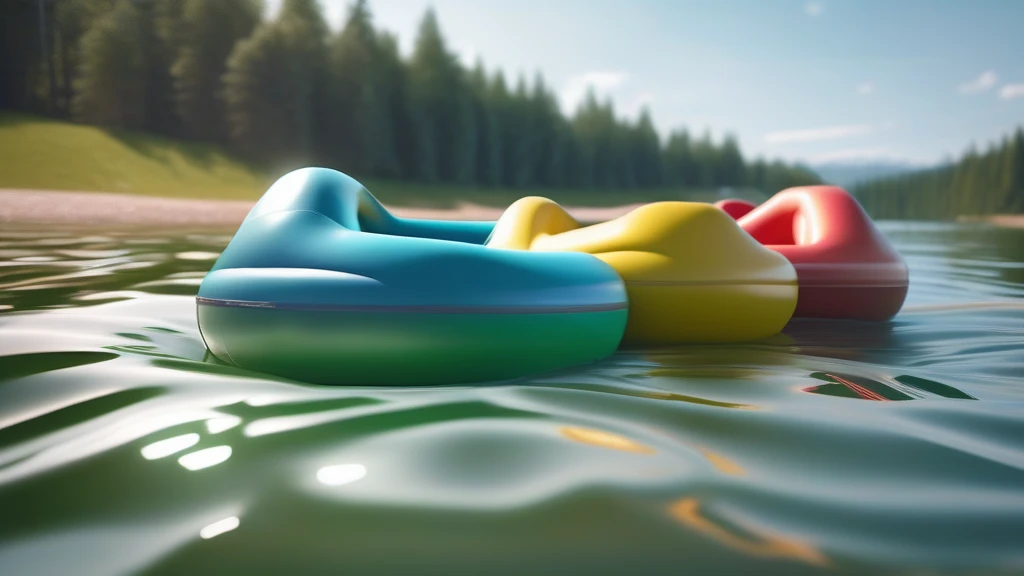
Towable tubes are a staple in recreational boating and water sports, offering endless fun and excitement for riders of all ages and skill levels. Whether you’re looking for a solo adrenaline rush or a group adventure on the water, choosing a towable tube that balances durability and safety is paramount. Understanding the materials and construction behind these towables can help you make an informed decision and ensure your water outings remain both thrilling and secure.
In this article, we’ll explore the key materials, design elements, and construction techniques that contribute to the durability and safety of towable tubes. We’ll also highlight what to look for when selecting a tube that fits your riding style and lifestyle.
Why Materials Matter in Towable Tubes
Heavy-Duty PVC and Vinyl: The Cornerstones of Durability
The backbone of most towable tubes is heavy-duty PVC (polyvinyl chloride) or reinforced vinyl. These materials are chosen for their excellent resistance to abrasion, punctures, and UV damage—common hazards when tubing on lakes, rivers, or coastal waters. High-quality PVC or vinyl can withstand repeated impacts against boat hulls, docks, or rocky shorelines without tearing or losing integrity.
Look for tubes that specify multiple layers or reinforced panels in their construction. Some models feature an inner bladder made of thicker vinyl to hold air securely, surrounded by an outer shell designed to protect against punctures and scuffs. This dual-layer approach helps prevent unexpected deflation and extends the tube’s lifespan.
UV-Resistant Coatings for Longevity
Sun exposure is one of the biggest enemies of inflatable water gear. Prolonged UV radiation can weaken PVC and vinyl, causing cracking and color fading. Towable tubes that incorporate UV-resistant coatings or additives help mitigate this damage, maintaining flexibility and strength even after many outings.
Vibrant colors like yellow, red, blue, and orange aren’t just for aesthetics—they improve visibility for boaters and rescuers. UV resistance ensures these bright hues remain vivid, contributing to safety by making riders easier to spot on the water.
Construction Techniques That Enhance Safety and Stability
Reinforced Stitching and Welded Seams
The seams of a towable tube are critical stress points. Tubes made with heat-welded seams or high-frequency welded seams generally offer superior strength compared to stitched seams alone. Welded seams fuse the material together without piercing it, reducing the risk of leaks.
Where stitching is used, expect reinforced and double-stitched seams to bolster durability. Some tubes also use heavy-duty nylon or polyester thread designed to resist water absorption and UV degradation.
Secure and Comfortable Seating Designs
Towable tubes typically come in two ride styles: sit-in and lay-on-top. Sit-in tubes feature bucket-like seating areas with backrests and side supports, providing riders with greater stability and security. This design is especially beneficial for beginners, children, or those looking for a more controlled ride.
Lay-on-top tubes offer an open surface for riders to lie or kneel on, maximizing thrill and ease of mounting. These tend to have additional grip handles or padded areas to help riders hold on during fast turns or choppy water conditions.
Comfort features such as padded seating, ergonomic backrests, and non-slip surfaces contribute to rider safety by reducing fatigue and helping maintain balance.
Safety Features Built Into Towable Tubes
Multiple Grip Handles and Tow Points
Reliable handles are essential for rider security. Towable tubes often include several heavy-duty, ergonomically placed grip handles made from molded plastic or reinforced webbing. These handles provide secure handholds during high-speed maneuvers and sudden boat turns.
The tow point—the connection where the tube attaches to the boat—is another critical safety element. High-quality tubes feature reinforced tow points with durable webbing or nylon straps, often backed by extra layers of material to prevent tearing. Some even have quick-attach mechanisms or swivel points that reduce rope twisting and enhance control.
Stability and Rider Capacity
Durability also relates to the tube’s ability to support weight safely. Tubes are rated by rider capacity, from solo models to those accommodating up to six people. Exceeding this capacity compromises stability and increases wear on materials.
Stable designs often incorporate multiple air chambers or segmented inflation zones. This means if one chamber is punctured, the others remain inflated, keeping riders afloat and safe.
Tips for Choosing a Durable and Safe Towable Tube
- Assess Your Riding Style: Choose sit-in tubes for added security or lay-on-top models for a more exhilarating experience.
- Consider Rider Capacity: Match the tube’s capacity with your usual group size to ensure safety and comfort.
- Check Material Specifications: Opt for tubes made from heavy-duty, multi-layer PVC or vinyl with UV protection.
- Inspect Construction Details: Look for welded seams, reinforced stitching, and durable tow points.
- Prioritize Safety Features: Multiple grip handles, padded seating, and stable design elements are vital.
- Review Visibility: Bright, UV-resistant colors enhance safety by increasing visibility on the water.
Maintaining Towable Tubes to Prolong Life and Safety
Proper care goes hand in hand with quality construction to extend the life of your towable tube:
- Rinse After Use: Saltwater and chlorine can degrade materials—rinsing with fresh water prevents buildup.
- Dry Thoroughly: Avoid mold and mildew by drying the tube completely before storage.
- Store Properly: Keep the tube in a cool, dry place away from direct sunlight to prevent UV damage.
- Regularly Inspect: Check seams, handles, and tow points for signs of wear or damage before each use.
- Repair Promptly: Use patch kits designed for PVC or vinyl to fix small punctures and tears immediately.
Conclusion
Towable tubes combine fun and adventure with the need for durability and safety. By understanding the materials and construction techniques used in these water sports essentials, you can select a product that stands up to the rigors of boating environments while keeping riders secure and comfortable.
When shopping for a towable tube, focus on heavy-duty vinyl or PVC with UV protection, reinforced seams, secure seating designs, and stable ride features. Coupled with proper maintenance, these factors ensure your towable tube delivers many seasons of memorable water fun—whether you’re tubing solo or enjoying a lively group outing.
Remember, investing time in researching the right tube and caring for it well helps you maximize both safety and enjoyment on the water. Happy tubing!