
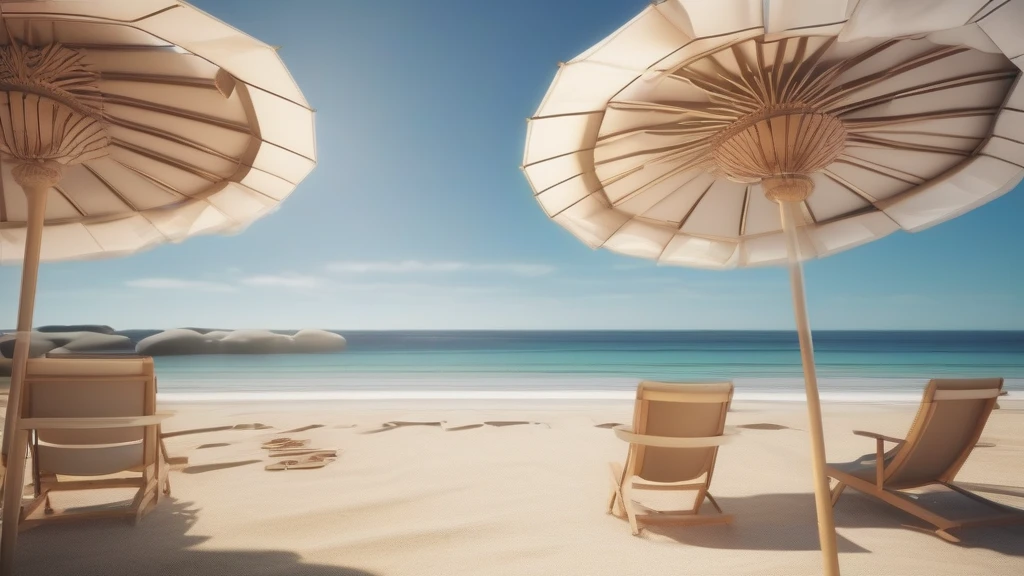
When spending time outdoors—whether at the beach, campsite, picnic area, or backyard patio—having reliable sun protection is essential. Parasols, designed specifically for shielding users from harmful UV rays while providing portable shade, have become a popular choice. However, not all parasols are created equal. Understanding the key features, materials, and technologies behind these outdoor essentials can help you choose the right parasol tailored to your needs. This article delves deeply into the core parasol features, explaining what each one means and why it matters.
The Essentials of UV Protection: UPF Ratings and Canopy Technology
What is UPF and Why It Matters
Ultraviolet Protection Factor (UPF) is the standard rating used to indicate how effectively a fabric blocks ultraviolet (UV) radiation. Parasols boasting a high UPF rating—commonly UV50+ to UV80+—offer significant protection against both UVA and UVB rays, which can cause skin damage and increase the risk of skin cancer.
- UV50+: Allows just 1/50th or 2% of UV rays to pass through
- UV80+: Blocks even more, letting only 1/80th or about 1.25% of UV rays through
Choosing a parasol with a certified high UPF rating is crucial if you plan to spend extended periods outdoors. This certification ensures the fabric has been tested and proven to provide reliable sun defense.
Multi-Layered and Special Coatings
Many parasols feature multi-layered canopies or specialized UV-blocking coatings that enhance sun protection without adding weight. These coatings often reflect UV rays rather than absorbing them, which also helps keep the shaded area cooler. Some premium models integrate technology that maintains UPF performance even after washing or prolonged sun exposure.
Canopy Size and Shape: Balancing Coverage and Portability
Diameter and Coverage Area
Parasols typically offer canopy diameters ranging from about 6 to 10 feet. The size you choose depends largely on your outdoor activity and how many people you want to shade.
- 6-7 feet: Ideal for solo users or couples, perfect for compact spaces or small patios.
- 8-10 feet: Best for families, groups, or larger picnic and beach setups, providing broad shade coverage.
Larger canopies offer more shade but can be heavier and less portable. Smaller parasols excel in ease of transport and setup but may require precise positioning to maximize shade.
Canopy Shape and Vents
Round canopies are the most common and provide uniform shade. However, many parasols incorporate double-vented or windproof canopy designs. These vents allow air to pass through, reducing wind resistance and preventing the parasol from toppling during breezy conditions.
- Double-Vented Canopies: Two layers or vents reduce wind pressure.
- Tear-Resistant Fabric: A tightly woven, durable fabric helps prevent rips in windy weather.
Choosing a canopy with vents and tear-resistant fabric is a smart investment for those in windy coastal or open environments.
Materials Matter: Fabric, Poles, and Environmental Considerations
Eco-Friendly and Sustainable Fabrics
More parasol manufacturers are embracing eco-conscious materials such as recycled polyester or sustainably sourced fabrics. These materials not only provide effective sun protection but also help reduce environmental impact.
- Water-Resistant and Quick-Dry Fabrics: Many canopies are treated with water-resistant coatings, enabling them to repel light rain and dry quickly—perfect for unpredictable outdoor conditions.
- UV-Stable Materials: Fabrics engineered to resist fading and deterioration from sun exposure extend the canopy’s lifespan.
Poles and Frames: Aluminum vs. Steel
The frame supports the canopy and must balance durability with portability.
- Rustproof Aluminum Poles: Lightweight, corrosion-resistant, and ideal for easy transport.
- Steel Poles: Heavier but generally more robust; often treated with powder coatings to resist rust.
Some parasols feature recyclable components, aligning with sustainable values and making disposal or recycling easier at the end of the product’s life.
Stability Systems: Anchoring for Different Terrains
How to Secure Your Parasol
A parasol’s stability depends on its anchoring system, which must suit your typical outdoor environment.
- Sand Anchors and Screw-In Bases: Perfect for beach outings where loose sand can undermine stability.
- Weighted Bags and Bases: Useful on patios, decks, and grass, these use heavy materials or water/sand-filled bags to hold the parasol in place.
- Clamp Bases: Attach directly to tables or railings for added security in confined spaces.
Choosing the right anchoring system improves safety and usability, especially in windy conditions.
Portability and Adjustability: Convenience Meets Comfort
Lightweight and Compact Designs
Portability is a defining characteristic of parasols. Lightweight aluminum frames combined with foldable or telescoping designs allow for easy packing and transport. Most parasols come with included carry bags, making them convenient for beach trips, camping, or picnics.
Adjustable Canopies and Height
To maximize shade throughout the day, look for parasols with adjustable features:
- Tiltable Canopies: Allow you to angle the canopy to block the sun as it moves.
- Multi-Angle Adjustments: Some parasols pivot or rotate for 360-degree coverage.
- Height Customization: Telescoping poles enable raising or lowering the parasol to suit seating arrangements or sun intensity.
These features enhance usability and comfort, letting you tailor shade to changing conditions.
Maintenance Tips to Extend Parasols’ Lifespan
Proper care is key to maintaining your parasol’s performance and appearance:
- Regular Cleaning: Use mild soap and water to clean fabric and frames; avoid harsh chemicals.
- Dry Thoroughly Before Storage: Prevent mold and mildew by ensuring the canopy is completely dry.
- Check for Rust or Loose Screws: Especially if stored outdoors or near saltwater environments.
- Store in Included Carry Bags: Protects against dirt, UV degradation, and mechanical damage.
Following these tips can significantly prolong your parasol’s usability and maintain its UV protection capabilities.
Style and Aesthetics: Matching Parasols to Your Outdoor Space
Parasols come in a wide variety of colors, patterns, and designs—ranging from classic neutral tones to vibrant prints. When selecting a parasol, consider how it complements your outdoor decor or personal style.
- Neutral Colors: Creams, whites, and grays blend seamlessly with most settings and reflect sunlight well.
- Bold Colors and Patterns: Ideal for creating a lively, tropical vibe at the beach or picnic.
- Natural Textures: Some parasols use woven or canvas-like fabrics to evoke a rustic, eco-friendly feel.
Choosing a parasol that aligns with your style enhances the overall ambiance and enjoyment of your outdoor areas.
Conclusion: Making an Informed Parasols Choice
Understanding the features that define high-quality parasols empowers you to select a product that fits your lifestyle, environment, and values. From UPF-rated, water-resistant canopies and rustproof frames to versatile stability systems and eco-friendly materials, each characteristic plays a vital role in performance and satisfaction.
Whether you prioritize portability for frequent travel, durability for rugged conditions, or sustainability to minimize environmental impact, knowing what really matters helps you confidently invest in a parasol that provides reliable sun protection and lasting comfort. With the right knowledge, your parasol can become an essential companion for many enjoyable outdoor adventures.