
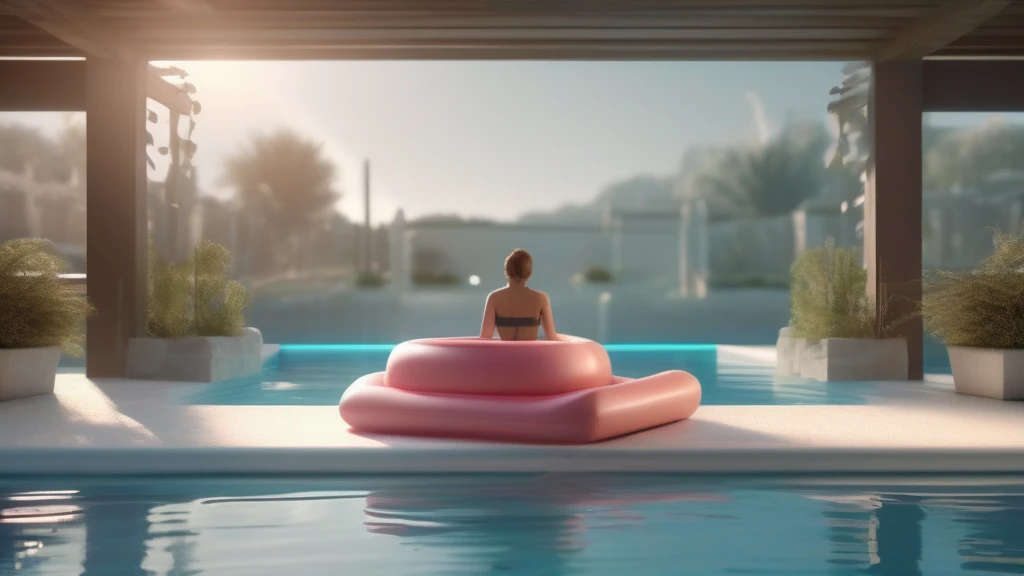
Pool floats have become synonymous with leisure and fun in pools, lakes, and calm waterfronts. Whether it’s a solo chill session, a family outing, or a lively pool party, the right pool float can elevate the experience significantly. However, with so many designs, materials, and features available, choosing the perfect float for your needs can feel overwhelming. This article takes a deep dive into the essential features of pool floats, explaining what each means and why it matters, to help you make an informed decision.
Types of Pool Floats: Sit-In vs. Lay-On-Top
One of the fundamental distinctions in pool floats is the design type, which directly affects comfort, usability, and social dynamics.
Sit-In Floats
Sit-in floats are designed like inflatable chairs or mini rafts where you sit inside a recessed area. This design offers several advantages:
- Stability: The lower center of gravity and enclosed seating area make sit-in floats more stable, reducing the risk of tipping.
- Comfort: Ergonomic contours support your back and legs, allowing for relaxing extended lounging.
- Safety: The recessed seat helps keep the user secure, making this style suitable for children and less confident swimmers.
- Use Cases: Ideal for solo users or couples seeking a relaxed, secure float experience. These are popular for poolside reading or casual socializing.
Lay-On-Top Floats
Lay-on-top floats feature a flat or slightly contoured surface designed for reclining or lying flat.
- Versatility: They accommodate a range of lounging positions, from lying flat to sitting up.
- Capacity: Lay-on-top floats often come in larger sizes, supporting multiple people—up to four in some models—making them perfect for group relaxation.
- Ease of Use: Lightweight and easy to climb on or off, they encourage casual social interaction.
- Use Cases: Great for sunbathing, social gatherings, and mild drifting or gliding in calm water.
Understanding these design differences will help you select a float that matches your preferred activity and social setting.
Capacity: From Solo to Group Loungers
Pool floats vary widely in size and capacity, which affects both comfort and social use.
- Solo Floats: Typically designed for one person, these floats prioritize ergonomic comfort and individual relaxation. They are often compact and easier to store.
- Multi-Person Floats: Larger models accommodate two to four people, making them perfect for family fun or entertaining friends. These floats often include multiple seating areas or a large flat surface to spread out.
- Considerations: When choosing capacity, factor in your typical pool size and the number of users. Multi-person floats require more storage space and can be less maneuverable but offer enhanced social bonding opportunities.
Material Matters: Durability, Stability, and Safety
The material used in pool floats is paramount for safety, longevity, and user comfort.
Common Materials
- PVC (Polyvinyl Chloride): The most prevalent material, favored for its durability and resistance to punctures. High-grade PVC can withstand extended exposure to sun and water.
- Vinyl: Often used for softer, more flexible floats, vinyl provides a comfortable surface but can be less durable if thin.
- Reinforced Fabrics: Some premium floats incorporate fabric overlays or reinforced seams to increase strength and resistance to wear and tear.
Key Material Features
- Thickness: Thicker materials provide better puncture resistance and stability, especially important for towing behind boats or rougher use.
- UV Resistance: Materials treated for UV resistance maintain color vibrancy and structural integrity over time.
- Non-Toxic and Safe: High-quality floats avoid harmful chemicals, ensuring they are safe for all ages.
Practical Tip
Look for floats with robust, double-stitched seams and puncture-resistant valves to extend the product’s lifespan and maintain safety.
Vibrant Colors: More Than Just Aesthetic Appeal
Pool floats often come in bright, eye-catching colors like yellow, orange, red, and blue. While these colors undeniably add fun and style to your outdoor water leisure, they serve additional practical purposes.
- Visibility: Bright colors increase float visibility on water, enhancing safety by making it easier to spot users from a distance.
- Mood Enhancement: Vibrant hues contribute to a festive atmosphere, elevating pool parties and social gatherings.
- Color Trends: Seasonal trends often influence popular float colors and designs, from tropical themes to neon shades, allowing users to express personal style.
Comfort and Ergonomics: Designing for Relaxation
A key function of pool floats is comfort. Ergonomically designed floats support the body in natural lounging positions.
- Contoured Shapes: Many floats feature molded or textured surfaces to cradle the body, reducing pressure points and improving comfort.
- Back Support: Sit-in floats often have built-in backrests or raised edges to support upright sitting.
- Headrests: Some floats include integrated pillows or elevated sections to support the neck and head.
- Breathable Surfaces: Mesh inserts or perforated areas allow water to flow through, helping keep you cool while you relax.
Choosing a float with these comfort features can transform a simple float into a blissful retreat.
Ease of Use: Inflation, Weight, and Portability
Practicality is vital when selecting a pool float, especially if you frequently transport or store it.
- Inflation: Look for floats with wide valves or dual valves that speed up inflation and deflation. Some models are compatible with electric or battery-operated pumps.
- Weight: Lightweight floats are easier to carry and maneuver in the water, especially important for children and older adults.
- Storage: Deflatable designs fold compactly, making them ideal for small storage spaces.
- Maintenance: Smooth surfaces wipe clean easily, and materials resistant to mold and mildew enhance hygiene.
Versatility: Multipurpose Fun on the Water
Beyond lounging, many pool floats offer additional recreational features.
- Towable Floats: Durable construction and reinforced attachment points allow some floats to be towed behind boats for mild water rides.
- Social Lounging: Multi-person floats encourage group interaction, with integrated cup holders, cooler compartments, or even detachable sunshades.
- Creative Uses: Pool floats can double as platforms for games, picnic spots on water, or relaxed reading nooks.
Considering how you plan to use the float can guide you toward models with the right blend of features.
Safety Considerations for All Ages
Safety is a top priority, especially when children or less experienced swimmers are involved.
- Stable Designs: Wider bases and lower profiles reduce tipping risk.
- Secure Seating: Sit-in floats with deeper seating areas help keep younger users secure.
- Bright Colors: Enhance visibility to supervising adults.
- Weight Limits: Adhere to manufacturer guidelines to avoid overloading.
- Supervision: Always supervise children, regardless of float type or safety features.
Maintenance Tips to Prolong Float Lifespan
Proper care ensures your pool float stays in great shape through many seasons.
- Cleaning: Rinse floats with fresh water after use to remove chlorine, salt, and debris.
- Drying: Allow floats to dry completely before storage to prevent mold and mildew.
- Storage: Store deflated floats in a cool, dry place away from direct sunlight.
- Repairs: Use patch kits to address small punctures promptly.
- Avoid Rough Surfaces: Prevent contact with rough pool edges or sharp objects.
Conclusion
Understanding the features of pool floats—from design types and materials to comfort and safety—helps you choose a product perfectly suited to your needs. Whether you want a solo sit-in float for relaxing afternoons or a vibrant, multi-person lay-on-top float for social fun, paying attention to capacity, durability, ease of use, and color can transform your water leisure experience. With the right knowledge, you can confidently select a pool float that offers comfort, style, safety, and enduring enjoyment for every splash-filled summer moment.