
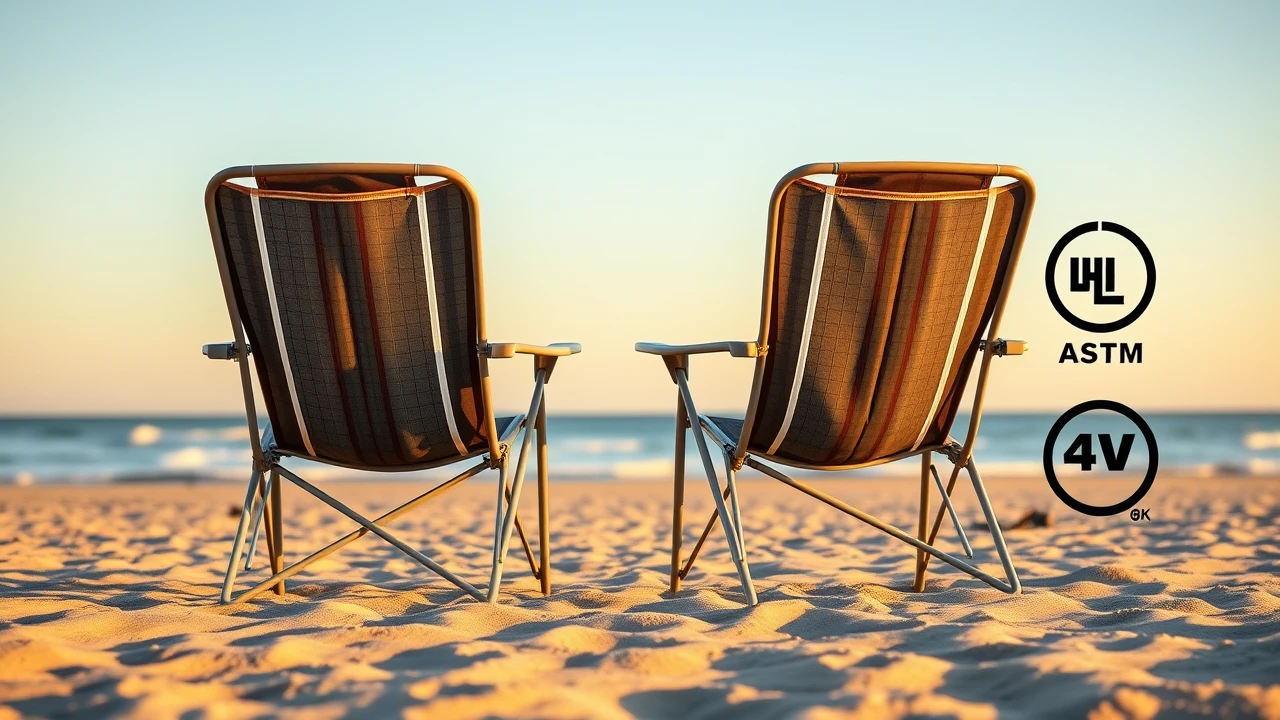
When selecting outdoor chairs for beach outings, camping trips, fishing excursions, or family picnics, comfort and convenience are often top priorities. However, an equally important consideration is safety. Outdoor chairs must withstand varied environmental conditions and support different body weights without compromising stability or structural integrity. To provide consumers with confidence in product quality and safety, internationally recognized certifications such as ASTM, ISO, and TÜV serve as benchmarks.
In this article, we delve into what these safety certifications mean, why they matter, and how they apply to portable outdoor chairs designed for recreational use. Understanding these standards will empower you to make informed decisions when choosing the ideal outdoor chair to accompany your adventures.
Why Safety Certifications Matter for Outdoor Chairs
Outdoor chairs often encounter rugged use, exposure to sun, water, sand, and uneven surfaces. Without proper safety considerations, risks like frame collapse, tipping, or fabric tearing can lead to discomfort or injury. Safety certifications are established through rigorous testing protocols conducted by independent organizations to verify that products meet minimum safety, durability, and performance standards.
These certifications help ensure:
- Structural Stability: Frames and joints resist bending, breaking, or sudden collapse under expected loads.
- Material Durability: Fabrics and finishes withstand UV exposure, moisture, and wear without degradation.
- User Safety: Designs minimize sharp edges, pinching points, and slipping hazards.
- Consistent Quality: Manufacturing processes adhere to repeatable quality control standards.
When an outdoor chair carries certification marks from ASTM, ISO, or TÜV, it signals that the product has been vetted beyond marketing claims, providing peace of mind for users who prioritize safety and longevity.
ASTM: American Society for Testing and Materials
What Is ASTM?
ASTM International is a globally recognized standards organization originating in the United States. It develops voluntary consensus standards for a wide range of products and materials, including furniture. ASTM standards are widely adopted by manufacturers and regulatory agencies to ensure product safety and quality.
ASTM Standards Relevant to Outdoor Chairs
For portable outdoor chairs, ASTM standards focus on aspects such as:
- Load-bearing capacity: Testing chairs to withstand specific static and dynamic weights to simulate real-world use.
- Stability: Assessing resistance to tipping or collapsing when weight is applied unevenly.
- Durability of materials: Evaluating fabrics and frame coatings for resistance to weather and wear.
ASTM testing protocols often involve repetitive loading cycles, exposure to UV light, and corrosion simulations to mimic outdoor environments.
Why ASTM Certification Matters
When you see ASTM certification on an outdoor chair, you can be confident that it has passed detailed safety tests designed for consumer furniture. This certification is especially relevant in North America but respected worldwide for its thoroughness.
ISO: International Organization for Standardization
What Is ISO?
ISO is an independent, non-governmental international entity that develops standards spanning industries and technologies. ISO standards promote safety, efficiency, and interoperability on a global scale.
ISO Standards Applying to Outdoor Chairs
ISO standards related to furniture safety and outdoor usage typically cover:
- Ergonomic design: Ensuring chairs support natural postures and minimize strain.
- Mechanical safety: Validating structural integrity under diverse load scenarios.
- Environmental resistance: Confirming materials can endure temperature variations, moisture, and UV exposure.
- Sustainability: Some ISO standards also address eco-friendly production and resource management.
ISO standards relevant to outdoor seating often align with or complement ASTM requirements but carry broader international recognition.
Why ISO Certification Is Valuable
ISO certification indicates that an outdoor chair meets internationally accepted benchmarks, suitable for consumers across different regions. For those who prioritize global standards and eco-conscious manufacturing, ISO-certified products offer an added layer of assurance.
TÜV: Technischer Überwachungsverein (Technical Inspection Association)
What Is TÜV?
TÜV is a German-based organization specializing in independent testing, inspection, and certification across multiple sectors, including furniture safety. TÜV certifications are known for rigorous quality assurance and compliance with European safety directives.
TÜV Testing for Outdoor Chairs
TÜV certification for outdoor chairs typically involves:
- Load testing: Verifying chairs support designated weight capacities safely.
- Material safety: Checking for non-toxic, durable fabrics and corrosion-resistant frames.
- User protection: Ensuring absence of sharp edges, secure locking mechanisms, and stable footing.
- Environmental resilience: Simulating prolonged exposure to sun, rain, and temperature changes.
TÜV inspections often include factory audits to confirm consistent manufacturing quality.
The Importance of TÜV Certification
TÜV certification is highly regarded in Europe and increasingly recognized worldwide. It signals that a product complies with stringent safety standards and undergoes ongoing quality validation, making it a trusted mark for consumers who prioritize safety and reliability.
How to Use Safety Certifications When Choosing Outdoor Chairs
Identify Your Primary Use Case
Different outdoor activities, such as beach lounging, fishing, or camping, place varied demands on chair design and durability. For instance, beach chairs must resist corrosion from saltwater, while camping chairs may require rugged frames to handle uneven terrain.
Look for Relevant Certification Marks
Check product descriptions and labels for ASTM, ISO, or TÜV certification marks. These indicate that the chair has been independently tested and meets recognized safety standards.
Consider Weight Capacity and Stability
Safety certifications often relate directly to the chair’s load rating and structural stability. Ensure the chair’s certified weight capacity matches your needs, especially if accommodating heavier users or multiple occupants (as with oversized family chairs).
Assess Material Quality and Weather Resistance
Certified outdoor chairs typically feature UV-resistant, waterproof fabrics and rustproof aluminum or steel frames. These materials contribute to longevity and user safety under harsh outdoor conditions.
Prioritize Ergonomic and Safety Features
Look for chairs with certified locking mechanisms, smooth edges, non-slip feet, and stable bases. Adjustable recline positions and breathable mesh panels not only enhance comfort but also reduce strain and injury risk.
Beyond Certifications: Best Practices for Safe Outdoor Chair Use
- Inspect Before Use: Regularly check frames for bends, cracks, or loose joints.
- Use on Stable Ground: Place chairs on firm surfaces to prevent tipping.
- Follow Load Limits: Adhere to manufacturer-specified weight capacities.
- Secure Locking Features: Ensure foldable chairs are fully locked before sitting.
- Store Properly: Keep chairs dry and clean to maintain material integrity.
Conclusion
Safety certifications like ASTM, ISO, and TÜV play a critical role in verifying that outdoor chairs meet stringent standards for strength, stability, material durability, and user protection. For anyone investing in portable outdoor seating—whether for beach relaxation, camping, fishing, or family gatherings—understanding these certifications helps ensure you choose a chair that delivers both comfort and peace of mind.
By paying attention to certified safety standards along with key features like ergonomic design, weather-resistant materials, and portability, you can confidently select an outdoor chair that supports your adventures safely and sustainably for years to come.