
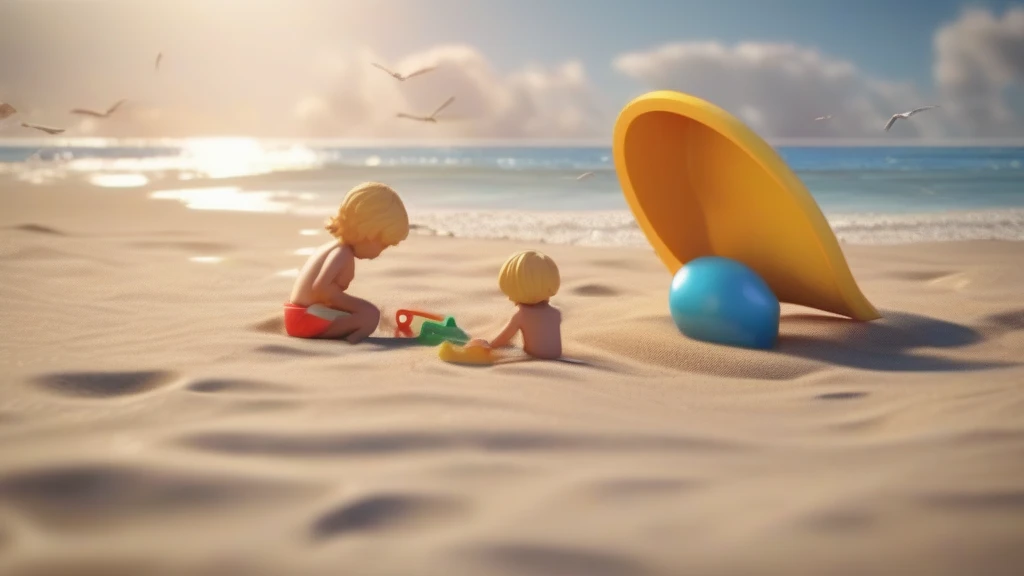
Outdoor games have long been a staple for family fun, encouraging active play, social interaction, and skill development among children. Beach and sand toys, including toss games and pétanque-style sets, are especially popular for their portability, versatility, and ability to engage kids in various outdoor environments—beaches, backyards, parks, and camping trips. However, when selecting these toys, safety is paramount. Understanding safety certifications and what they signify can help parents and caregivers make informed decisions to ensure a secure and enjoyable play experience for children.
Why Safety Certifications Matter for Kids’ Outdoor Games
Outdoor toys designed for children are subject to various safety hazards ranging from toxic materials and choking risks to environmental factors like rust or sharp edges. Safety certifications serve as standardized assurances that a product meets strict guidelines for child safety, material composition, and manufacturing processes. These certifications provide peace of mind that a toy is non-toxic, durable, and suitable for its intended age group.
For parents and gift buyers, recognizing these marks on packaging or product descriptions is key to selecting high-quality, safe outdoor games that protect kids while maximizing fun.
Common Safety Certifications to Know
Several internationally recognized safety certifications commonly apply to children’s outdoor toys, including beach and sand games. Here’s an overview of the most relevant ones:
CE Marking (Conformité Européenne)
The CE mark indicates compliance with European Union safety, health, and environmental protection standards. For toys, it confirms adherence to the EU Toy Safety Directive, which covers mechanical safety, flammability, chemical composition, and labeling requirements. A CE mark on kids’ outdoor games means the product has been tested for harmful substances and physical hazards.
ASTM Standards (American Society for Testing and Materials)
ASTM International develops voluntary consensus standards widely used in the United States. ASTM F963 specifically addresses toy safety, covering aspects such as choking hazards, sharp points, toxic materials, and structural integrity. Outdoor games with ASTM certification demonstrate compliance with rigorous U.S. safety regulations, ensuring they are suitable for children’s use.
TÜV Certification (Technischer Überwachungsverein)
TÜV is a German-based independent testing organization that certifies products against various safety and quality standards. TÜV certification on outdoor toys indicates thorough testing for durability, safety, and material safety, often with a focus on European and international markets. It is regarded as a mark of high quality and reliability.
Key Safety Features to Look for in Kids’ Outdoor Games
Beyond certifications, understanding the specific safety features embedded in a product helps evaluate its suitability for children. Here are some critical factors to consider:
Non-Toxic and Child-Safe Materials
Toys intended for children should be made from non-toxic, BPA-free plastics, child-safe paints, and coatings free from harmful chemicals such as lead or phthalates. Certifications often verify these material standards. For beach and sand games, materials like eco-friendly plastics and stainless steel are common, chosen for durability and safety.
Rounded Edges and Smooth Surfaces
To prevent cuts and scrapes, balls, rings, and game components should have rounded edges and smooth finishes. Textured or grooved surfaces that enhance grip must not compromise safety by having sharp ridges or points.
Weatherproof and Durable Construction
Since these games are designed for outdoor use on sand, grass, or gravel, they need to resist rust, abrasion, and impact damage. Weatherproof coatings and rust-resistant materials like aluminum or stainless steel reduce the risk of material degradation that could create hazards over time.
Size and Weight Appropriate for Kids
Ergonomic grips and lightweight components tailored for children’s hands reduce the risk of strain or injury during play. Adjustable ball diameters or foam-based rings are often used in kids’ versions to ensure ease of handling and safety.
Avoidance of Small Parts
For younger children especially, avoid toys containing small detachable components that pose choking hazards. Safety certifications verify that toys meet minimum size requirements for parts.
How to Verify Safety Certifications When Shopping
When browsing for kids’ outdoor games, keep these tips in mind to verify safety compliance:
- Check packaging and product descriptions for certification logos such as CE, ASTM, or TÜV.
- Look for detailed safety information provided by manufacturers, including age recommendations and materials used.
- Research independent reviews or test reports to confirm claims about safety and durability.
- Buy from reputable retailers or brands that emphasize transparent safety standards and compliance.
- Be cautious of uncertified or very low-cost products that may not undergo proper testing.
Additional Safety Considerations for Outdoor Play
Even when toys meet certification standards, responsible adult supervision and safe play environments remain crucial. Here are some extra safety tips:
- Supervise younger children during games to prevent misuse or accidents.
- Set up play areas free of hazardous objects like sharp rocks or debris.
- Encourage the use of protective gear if appropriate, such as gloves or closed-toe shoes.
- Inspect toys regularly for signs of damage or wear that could compromise safety.
- Store toys properly after use to avoid deterioration.
Conclusion
Selecting safe, certified outdoor games for kids not only protects their well-being but also enhances the enjoyment and longevity of the play experience. By understanding key safety certifications like CE, ASTM, and TÜV, along with important product features such as non-toxic materials, ergonomic design, and weatherproof durability, parents can confidently choose beach and sand toys that foster active, social, and skill-building outdoor fun.
When shopping for kids’ toss games or pétanque sets, prioritizing safety certifications and features ensures that every family getaway, beach day, or backyard gathering is as safe as it is entertaining. Armed with this knowledge, you can make informed purchasing decisions that delight children while safeguarding their health and happiness.