
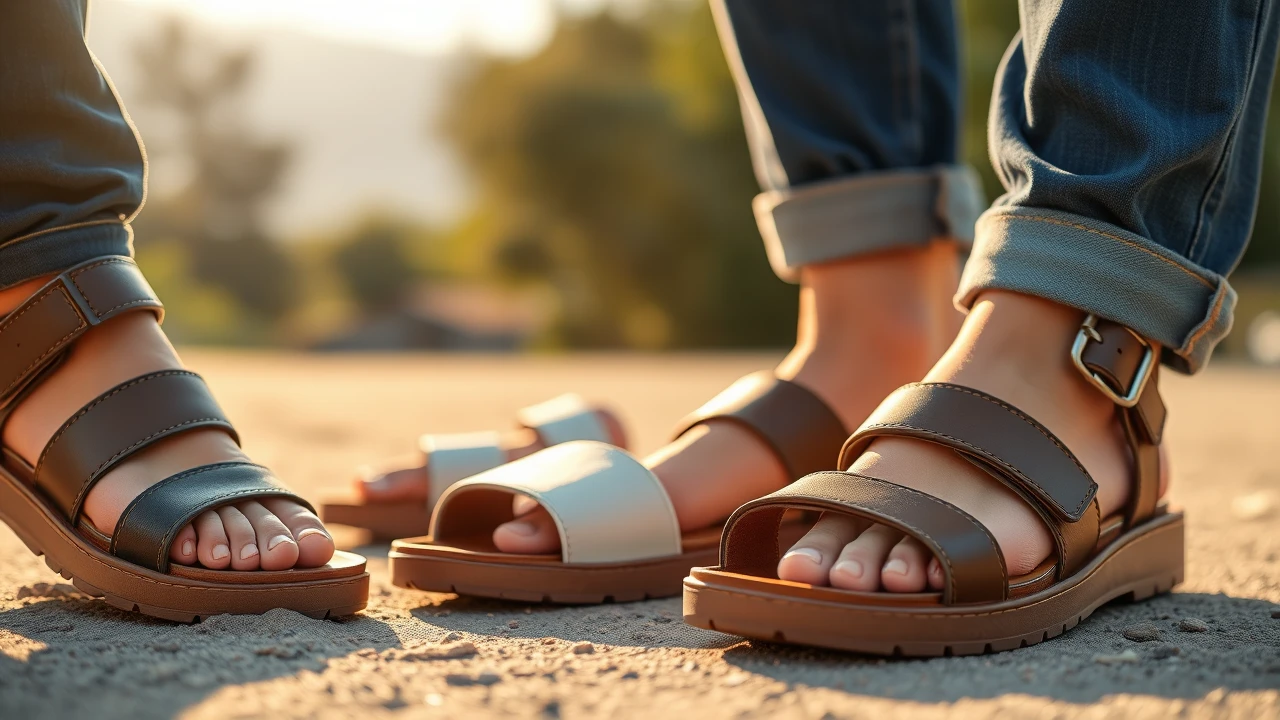
Sandals are a staple in many wardrobes, especially when warm weather, travel, or outdoor activities call for footwear that blends comfort, style, and practicality. But with the wide variety of sandals available—from casual flip-flops to rugged hiking models and elegant heeled designs—understanding the features that truly make a difference can help you make smarter choices. This article provides a deep dive into the key features, materials, and technologies found in modern sandals, explaining why each matters and how to match them with your lifestyle and needs.
The Material Matters: Comfort, Sustainability, and Durability
Eco-Friendly and Sustainable Materials
In recent years, sandal manufacturers have increasingly incorporated eco-conscious materials, reflecting a growing demand for sustainability in footwear. Many sandals now use synthetic leather, EVA foam, neoprene, and recyclable components, which not only reduce environmental impact but also provide durability and comfort.
- Synthetic Leather: Offers a cruelty-free alternative to traditional leather, with water resistance and easy maintenance.
- EVA Foam: Lightweight and cushioning, EVA (ethylene vinyl acetate) foam forms the midsole or footbed, absorbing shock and enhancing comfort for all-day wear.
- Neoprene: Known for its quick-drying and flexible properties, neoprene is often used in water-friendly sandals, such as those designed for beach and water sports.
- Recyclable Components: Some brands incorporate recyclable rubbers and plastics, ensuring that the sandals can be reprocessed at the end of their lifespan.
Choosing sandals made from these materials benefits your feet by providing breathability, flexibility, and cushioning, while supporting environmental responsibility.
Durability-Tested Components
Durability is crucial, especially for outdoor or travel sandals. Look for sandals that have undergone rigorous testing, often certified by standards such as ISO, ASTM, CE, or TÜV. These certifications indicate that the sandals meet specific requirements for safety, material quality, and performance under various conditions.
Key Functional Features Explained
Waterproof and Quick-Dry Technologies
For beachgoers, travelers, and water sports enthusiasts, waterproofing and quick-dry features are non-negotiable. Sandals made with waterproof synthetic uppers and quick-dry liners prevent water absorption, reduce weight when wet, and inhibit bacteria growth that causes odor.
- Why It Matters: Wet feet in non-breathable footwear can lead to blisters and discomfort. Quick-dry fabrics and waterproof coatings maintain foot health and comfort during aquatic activities.
- Examples: Hiking sandals with mesh neoprene linings or slides with EVA soles and water-repellent straps excel in wet environments.
Non-Slip and Impact-Resistant Soles
Safety is a top priority in many sandal designs. Non-slip soles use specialized rubber compounds and tread patterns to provide traction on wet, rocky, or uneven surfaces.
- Impact Resistance: Soles with shock-absorbing materials protect joints and reduce fatigue during extended walking or hiking.
- Why It Matters: Whether navigating slippery boardwalks or rugged trails, proper sole design prevents slips and injuries.
- Examples: Outdoor and hiking sandals typically feature deep-lugged rubber outsoles with TPU (thermoplastic polyurethane) reinforcements for toughness and grip.
Ergonomic and Adjustable Arch Support
Modern sandals often emphasize foot health through ergonomic design. Adjustable arch and heel supports ensure a customized fit that aligns with the natural contours of your feet.
- Adjustability: Straps with hook-and-loop fasteners, buckles, or elastic inserts allow for fine-tuning to accommodate swelling or varying sock thickness.
- Arch Support: Contoured footbeds help distribute pressure evenly, reducing strain on the plantar fascia and enhancing comfort.
- Why It Matters: Proper support prevents common foot ailments like plantar fasciitis and enhances stability.
- Examples: Travel sandals often feature molded EVA footbeds with adjustable straps for a secure, comfortable fit.
Breathable Designs with Anti-Chafing and Odor-Resistant Features
Breathability is essential for comfort, especially in warm climates or during extended wear. Sandals incorporating breathable mesh, perforated uppers, or moisture-wicking linings promote airflow and reduce sweat accumulation.
- Anti-Chafing: Soft, seamless strap linings and padded edges minimize friction and skin irritation.
- Odor Resistance: Treated fabrics or antimicrobial insoles inhibit bacteria growth, keeping feet fresh.
- Why It Matters: These features improve overall foot hygiene and prevent discomfort.
- Examples: Casual flip-flops and sports sandals often use neoprene or mesh uppers treated with odor-resistant technology.
Design Considerations for Different Use Cases
Casual and Beach Sandals: Lightweight and Easy to Wear
For beach and poolside relaxation, simple flip-flops and slides made with EVA foam or synthetic leather excel. Key features include lightweight construction, slip-resistant soles, and quick-dry materials.
- Portability: Some casual sandals are foldable or come with compact designs, ideal for packing.
- Comfort: Cushioned footbeds and minimalistic straps prioritize ease of wear.
- Style: Available in vibrant colors and patterns to match casual summer outfits.
Rugged Hiking and Sports Sandals: Protection and Performance
Hiking sandals demand rugged durability and enhanced support. Closed-toe designs with protective toe caps guard against rocks and debris, while adjustable, secure straps keep feet stable on trails.
- Waterproof and Quick-Dry: Essential for crossing streams or wet terrain.
- Traction: Aggressive tread patterns prevent slips on loose or wet surfaces.
- Support: Enhanced arch and heel support reduce fatigue on long hikes.
Fashion and Heeled Sandals: Style Meets Comfort
Women’s fashion sandals, including gladiator and heeled styles, balance aesthetic appeal with ergonomic features.
- Materials: Eco-friendly synthetic leathers and breathable linings ensure comfort.
- Support: Cushioned footbeds and slight arch support reduce pressure on the ball of the foot.
- Adjustability: Buckles and straps provide a secure fit without sacrificing style.
- Practicality: Some designs incorporate non-slip soles and padded heels for stability during social events.
Travel-Specific Sandals: Lightweight, Foldable, and Versatile
Travel sandals prioritize convenience and adaptability. Features include foldable soles, compact shapes, and multi-use designs suitable for urban exploration or light hiking.
- Packability: Foldable designs fit easily in luggage or backpacks.
- Durability: Despite their lightweight nature, materials remain robust for varied conditions.
- Comfort: Adjustable straps and cushioned footbeds accommodate long periods of walking.
Additional Value-Adding Features
Warranty and Repair Kits
Many reputable sandals come with warranties that guarantee product quality and durability. Some also include repair kits, allowing users to replace worn straps or soles, extending the sandal’s lifespan.
- Why It Matters: Investing in well-supported products reduces long-term costs and environmental waste.
Certifications: Assuring Quality and Safety
Look for sandals bearing certifications such as ISO (International Organization for Standardization), ASTM (American Society for Testing and Materials), CE (Conformité Européenne), or TÜV (Technischer Überwachungsverein). These marks confirm the sandals have been tested for performance, safety, and material integrity.
- Why It Matters: Certifications provide peace of mind that your sandals will perform as expected in their intended environments.
Conclusion: Matching Features to Your Lifestyle
Choosing the right sandals means understanding what features align with your intended use—whether that’s lounging by the pool, trekking rugged trails, or attending a summer soirée. Prioritizing eco-friendly materials supports sustainability while ensuring comfort and durability. Waterproof fabrics, quick-dry technology, and breathable designs keep feet healthy during water activities and hot weather. Non-slip, impact-resistant soles and ergonomic arch support enhance safety and all-day wearability for outdoor adventures.
By focusing on these critical features—adjustability, material quality, certifications, and design innovations—you can select sandals that not only look good but also feel great and stand up to the demands of your lifestyle. This knowledge empowers you to invest wisely in footwear that delivers lasting value, comfort, and style.