
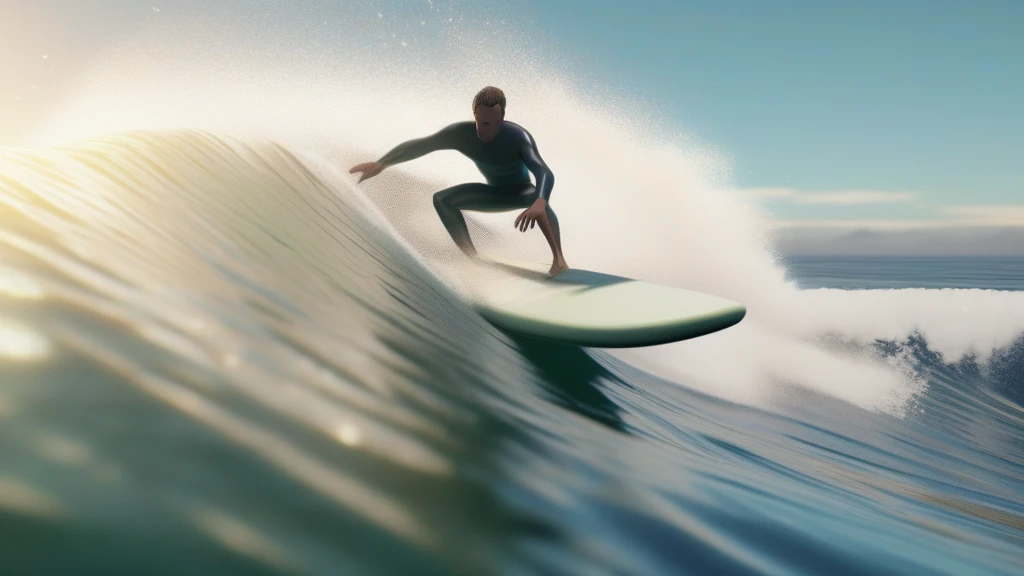
Shortboard surfboards represent the pinnacle of high-performance surfing equipment, designed for agility, speed, and precise control on short to medium waves. Whether you’re an intermediate surfer honing your freestyle skills or an advanced rider competing in challenging conditions, understanding the features that define a shortboard is critical to choosing the right board for your style and the waves you ride. This article dives deep into the key product features, specifications, and technologies that matter most in shortboard surfboards, helping you make informed decisions rooted in performance, durability, safety, and sustainability.
What Defines a Shortboard Surfboard?
Shortboards typically range from about 5’6” to 7’0” in length and have a narrow, pointed nose and thinner rails, enabling quick turns and dynamic maneuvers. Unlike longboards, which prioritize stability and glide, shortboards emphasize responsiveness and speed, catering to surfers who want to execute tricks, sharp cutbacks, and aerials on powerful waves.
Core Characteristics
- Length and Volume: Shortboards are compact and low-volume to maximize maneuverability. Volume typically ranges between 20 to 35 liters, depending on the surfer’s weight and skill level.
- Width and Thickness: A narrower and thinner profile allows sharper rail-to-rail transitions and better rail engagement on the wave face.
- Rocker Profile: The curvature of the board from nose to tail influences how the board handles speed and steep waves. Shortboards feature various rocker types including flat, moderate, continuous, and hybrid curves.
Materials and Construction: Balancing Weight, Durability, and Environmental Impact
The construction materials of shortboards profoundly affect their weight, strength, and eco-friendliness—three factors that surfers increasingly prioritize.
Common Materials
- Polyurethane (PU) Foam: Traditional core material providing a responsive and lively feel but heavier and less eco-friendly.
- Epoxy Resin with Expanded Polystyrene (EPS) Foam: Produces lighter, more buoyant boards with superior impact resistance. Epoxy boards often last longer and are favored for travel due to their durability.
- Carbon Fiber Reinforcements: Used strategically in high-stress areas for stiffness and strength without significant weight addition.
- Fiberglass Cloth: Standard outer layer that provides structural integrity and smooth finish.
Sustainable Innovations
Many manufacturers now integrate biodegradable coatings, plant-based resins, and recyclable components to reduce their environmental footprint. Choosing boards made with sustainable materials reflects growing consumer awareness and supports ocean conservation efforts.
Rocker Profiles: How Board Curvature Influences Performance
The rocker—the board’s curve from nose to tail—affects speed, maneuverability, and wave adaptability.
- Flat Rocker: Offers higher speed on smaller, mellow waves but can be harder to control on steep or hollow waves.
- Moderate Rocker: Balanced for versatility, enabling smooth paddling and responsive turns across a range of conditions.
- Continuous Rocker: A smooth, uninterrupted curve that enhances fluidity and control, ideal for steep, powerful waves.
- Hybrid Rocker: Combines flat sections for speed and curved sections for maneuverability, suited to surfers who want a versatile all-around shortboard.
Tail Shapes: Tailoring Maneuverability and Control
The tail shape controls how water releases from the board, influencing turning radius, hold, and speed.
- Squash Tail: The most common shape, it balances stability and quick turns, perfect for freestyle surfing.
- Swallow Tail: Increases surface area for better hold on steep waves and enhanced lift, facilitating sharper cutbacks.
- Bat Tail: A hybrid design offering more drive and control in smaller waves.
- Round Tail: Smooth, flowing turns with increased hold on powerful waves.
- Pin Tail: Narrow and pointed, optimized for maximum hold and control in big, steep waves.
Selecting the right tail shape depends on your preferred wave type and surfing style—squash tails for agility and versatility, pin tails for control in heavy surf, for example.
Fin Systems: Customizing Drive, Speed, and Stability
Fin configurations significantly impact a shortboard’s handling, making fin selection and setup a critical consideration.
Common Fin Setups
- Thruster (Three Fins): The traditional shortboard setup offering a balanced mix of speed, drive, and control. The center fin provides stability, while the two side fins enable sharp turns.
- Quad (Four Fins): Provides more speed and down-the-line drive, ideal for fast, open-face waves. Quads often excel in generating speed without sacrificing too much maneuverability.
- Twin (Two Fins): Delivers a looser, skate-like feel with less drag, great for smaller waves and freestyle tricks.
- Single Fin: Rare in modern shortboards, used primarily for retro styles or cruising, offering smooth, drawn-out turns but less quick responsiveness.
Many shortboards feature detachable fin systems that enable surfers to switch setups depending on conditions or preference. Foldable and travel-friendly fins add convenience for surfers on the go.
Safety and Durability: Features for Confidence and Longevity
Durable construction and safety features protect surfers and equipment alike, extending board life and reducing injury risk.
- Anti-Slip Decks: Textured or wax-ready surfaces improve grip, especially during complex maneuvers.
- Reinforced Fins and Rail Guards: Reduce damage from impacts and collisions.
- Scratch-Resistant Coatings: Maintain aesthetics and structural integrity after repeated use.
- Safety Certifications: International standards such as ISO, CE, and TÜV ensure the boards meet rigorous safety and quality benchmarks.
These features are particularly valuable for intermediate surfers who are still mastering control and for travelers who expose their boards to various environments.
Portability and Accessories: Convenience for Active Surfers
Shortboards designed for travel and convenience come with features and accessories that simplify transport and maintenance.
- Lightweight Construction: Epoxy and carbon fiber materials reduce carry weight.
- Carry Bags with Padding: Protect boards during transit, often including compartments for fins and accessories.
- Accessory Kits: Many shortboards come with fin sets, leashes, wax kits, and repair tools, ensuring surfers are ready for any situation.
- Compact Dimensions: Short length and removable fins make packing easier for flights, road trips, and beach days.
Choosing boards and accessories tailored for portability supports an active lifestyle without sacrificing performance.
Matching Your Shortboard to Skill Level and Wave Conditions
Selecting the right shortboard depends on your experience, typical wave environment, and preferred surfing style.
- Intermediate Surfers: May prefer slightly wider, thicker boards with moderate rocker and squash tails for stability while developing freestyle skills.
- Advanced Surfers: Often choose thinner, narrower boards with aggressive rocker profiles and specialized tail shapes to maximize responsiveness and control on powerful waves.
- Wave Conditions: Small, mushy waves favor flatter rockers and wider tails for speed and lift, while steep, hollow waves demand continuous rockers and pin tails for hold and maneuverability.
Maintenance Tips for Longevity and Performance
Proper care keeps your shortboard in top shape:
- Wax Application: Apply wax suited to water temperature regularly to maintain grip.
- Repair Kits: Carry resin or epoxy kits for quick fixes of dings and cracks.
- Storage: Store boards out of direct sunlight and extreme heat to prevent delamination and warping.
- Rinse After Use: Saltwater can degrade materials over time, so rinse boards with fresh water after each session.
Good maintenance preserves performance features and extends the life of your investment.
Conclusion: Prioritizing Features That Enhance Your Surfing Experience
Understanding the complex array of features in shortboard surfboards—from materials and rocker profiles to fin setups and safety certifications—empowers surfers to select boards tailored to their individual needs. Whether prioritizing lightweight construction for travel, eco-friendly materials, or specialized tail shapes for wave-specific performance, knowing what really matters helps you maximize your time on the water. By focusing on the details behind design and technology, you can find a shortboard that not only elevates your surfing but also aligns with your values and lifestyle.