
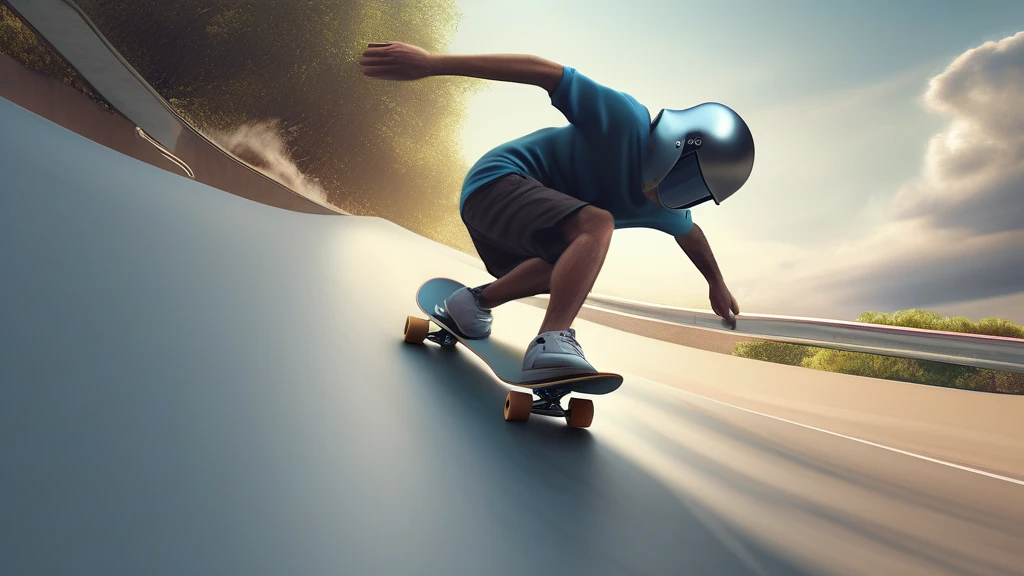
When it comes to skateboarding and related outdoor activities like BMX riding, scootering, rollerblading, or even kayaking, wearing the right helmet is crucial to protect your head from injuries. But how do you know which skate helmet will keep you safest? The answer lies in understanding the various safety standards and certifications that skate helmets undergo before they reach the market. These certifications are not just bureaucratic labels—they represent rigorous testing protocols designed to ensure helmets can withstand impacts and provide reliable protection.
In this article, we'll explore the main skate helmet safety standards and certifications, what they mean, why they matter, and how they relate to the product features commonly found in today’s skate helmets.
Why Safety Certifications Matter in Skate Helmets
Skate helmets are engineered to absorb and dissipate impact energy, reducing the severity of head injuries during falls or collisions. Safety certifications guarantee that the helmet has passed specific impact tests, durability exams, and usability checks, providing assurance that the product meets minimum protective criteria.
Without these certifications, helmets may vary widely in quality, putting users at risk. For parents buying helmets for children or enthusiasts investing in multi-sport gear, understanding these certifications helps ensure that the helmet will perform as intended in real-world conditions.
Key Safety Standards for Skate Helmets
Skate helmets are unique because they must accommodate a range of activities—from skateboarding and scootering to cycling and kayaking. As a result, many helmets are tested to multiple standards to verify multi-sport compatibility.
Here are the primary safety standards relevant to skate helmets:
1. CPSC (Consumer Product Safety Commission)
- Scope: Mandatory for all bicycle helmets sold in the United States.
- Testing Focus: Impact attenuation, retention system strength, and coverage area.
- Relevance to Skate Helmets: Many skate helmets designed for multi-sport use meet CPSC standards, ensuring they provide adequate protection for cycling, which shares similar impact dynamics with skateboarding.
2. ASTM F1492 (American Society for Testing and Materials)
- Scope: Specifically developed for skateboarding and trick roller skating.
- Testing Focus: Multiple impact tests simulating repeated falls and impacts on hard surfaces.
- Unique Characteristic: Unlike CPSC, which tests for a single impact, ASTM F1492 requires helmets to withstand multiple impacts, reflecting the nature of skateboarding falls.
- Why It Matters: Helmets with ASTM F1492 certification are often preferred by skateboarders because the standard aligns closely with typical skateboarding risks.
3. CE EN 1078 (European Standard)
- Scope: European certification for helmets used in cycling, skateboarding, and roller skating.
- Testing Focus: Shock absorption, retention system effectiveness, and field of vision.
- Application: Common on helmets sold in Europe and increasingly recognized worldwide.
- Benefit: Ensures the helmet meets European safety norms, which are often stringent and comprehensive.
4. ISO (International Organization for Standardization)
- Scope: Various helmet standards exist under ISO; for skate helmets, ISO 12312 (helmets for non-motorized sports) is relevant.
- Testing Focus: Impact resistance and structural integrity.
- Global Recognition: ISO standards help manufacturers meet consistent quality benchmarks recognized internationally.
5. TÜV (Technischer Überwachungsverein)
- Scope: German technical inspection association known for rigorous product testing.
- Testing Focus: Includes safety, durability, and user comfort assessments.
- Added Value: TÜV certification often signals premium quality and thorough validation beyond basic safety.
What These Certifications Mean for Helmet Features
Understanding certifications also helps decode the technical features manufacturers highlight:
-
Shell Materials: Certified helmets often use durable polycarbonate or ABS plastic shells to maximize impact resistance. Carbon fiber reinforcements are sometimes added in high-end models for enhanced strength and weight reduction.
-
Impact Liners: EPS (expanded polystyrene) foam liners are standard for absorbing and dispersing shock energy during impact. Helmets meeting ASTM F1492 may feature thicker or multi-density EPS layers to handle multiple impacts.
-
Advanced Technologies: Some helmets incorporate MIPS (Multi-directional Impact Protection System), designed to reduce rotational forces during angled impacts. While MIPS itself is not a certification, helmets with this technology often meet or exceed certification requirements.
-
Fit Systems: Adjustable retention systems, like rotational dials and multi-size fit pads, ensure the helmet sits securely, which is critical for certified protection to function correctly.
-
Ventilation and Comfort: Certified helmets can feature 10 to 15 strategically placed vents, sometimes adjustable, balancing airflow for comfort without compromising structural integrity.
How to Choose a Certified Skate Helmet
When selecting a skate helmet, consider these practical tips to ensure you get certified, effective protection:
Check Certification Labels
Look inside the helmet for certification stickers or printed labels indicating compliance with CPSC, ASTM F1492, CE EN 1078, or other relevant standards. Multiple certifications are common in multi-sport helmets.
Match the Helmet to Your Activity
- For primarily skateboarding or rollerblading, ASTM F1492 certification is most relevant.
- For cycling or multi-sport use, helmets with CPSC and CE EN 1078 certifications offer versatile protection.
- If you engage in kayaking or other water sports, check for additional water resistance or quick-drying liner features, though these may not impact certification.
Consider Helmet Construction
- Hard Shell vs. In-Mold: Hard shell helmets with ABS or polycarbonate outer layers are common in skate helmets, offering durable protection against repeated impacts.
- Weight: Certified helmets typically weigh between 200-300 grams, balancing protection with comfort.
- Additional Features: Quick-release buckles, sweat-wicking liners, and reflective details enhance usability and safety without compromising certification.
Fit Is Non-Negotiable
Even the best-certified helmet fails if it doesn’t fit properly. Look for helmets offering adjustable chin straps, dial-based fit systems, and multiple size options. Youth helmets should include growth pads to extend usability.
Beyond Certification: Maintenance and Lifespan
Certification ensures a helmet is safe when new, but proper care maintains its protective qualities:
- Replace After Impact: Helmets are designed to absorb one major impact. If you crash or drop your helmet from a significant height, replace it, even if damage isn’t visible.
- Regular Inspections: Inspect the shell and foam liner for cracks, dents, or compression.
- Storage: Keep helmets away from extreme heat, chemicals, and direct sunlight to prevent material degradation.
- Liner and Strap Care: Wash removable liners per manufacturer guidelines and check straps for wear.
Most manufacturers recommend replacing skate helmets every 3 to 5 years, even without impact, due to material aging.
Sustainability and Safety: The New Frontier
Increasingly, certified skate helmets incorporate eco-friendly materials and sustainable manufacturing processes without compromising safety:
- Use of biodegradable coatings and recyclable polycarbonate shells.
- Low-carbon manufacturing techniques.
- Sweat-wicking liners made from recycled fibers.
Selecting helmets with these features supports environmental responsibility while maintaining certified protection.
Conclusion
Safety certifications like CPSC, ASTM F1492, CE EN 1078, ISO, and TÜV provide essential assurances that skate helmets meet rigorous standards for impact protection and durability. Understanding these certifications helps you choose helmets crafted from quality materials—polycarbonate or ABS shells, EPS liners, and advanced technologies such as MIPS—that not only protect your head but also offer comfort, fit, and versatility for various outdoor sports.
Remember that the best helmet is one that matches your specific sport, fits securely, and is maintained properly. By prioritizing certified helmets, you invest in your safety and peace of mind every time you hit the skate park, trail, or waterfront.
Stay informed, stay protected, and enjoy your outdoor adventures with confidence!