
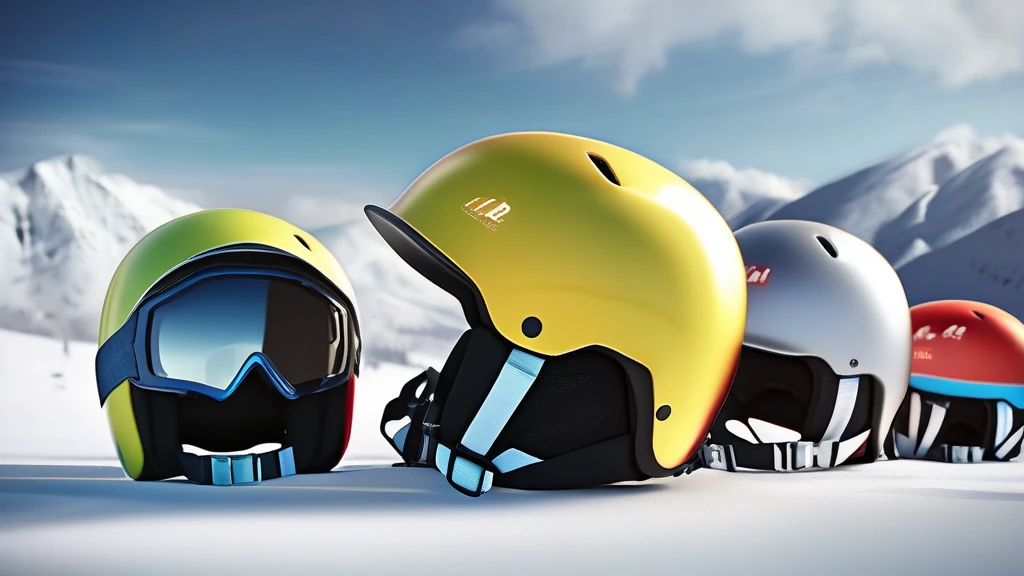
When it comes to winter sports like skiing, snowboarding, ice climbing, or snowmobiling, protecting your head is paramount. Ski and snowboard helmets are specifically engineered to safeguard against the unique risks these activities pose, but with so many features and technologies available, choosing the right helmet can feel overwhelming. This article offers a deep dive into the essential features, specifications, and innovations in ski and snowboard helmets, helping you understand what truly matters for safety, comfort, and performance on the snow.
Why Helmet Features Matter: Safety and Beyond
Helmets for winter sports do more than just protect your head from impact. They balance multiple demands — certified safety performance, lightweight durability, comfortable fit for long wear, ventilation for temperature regulation, and compatibility with other gear like goggles. Understanding the key features and technologies ensures you select a helmet that not only meets safety standards but enhances your overall experience.
1. Safety Certifications: The Foundation of Trust
One of the first things to check when selecting a helmet is its safety certification. These certifications confirm that the helmet has passed rigorous testing for impact protection and other safety criteria relevant to winter sports:
- CE EN 1077: A European standard specifically for alpine skiing and snowboarding helmets.
- ASTM F2040: North American standard for recreational snow sports helmets.
- ISO Standards: International benchmarks that some helmets meet for broader safety assurance.
Helmets bearing these certifications have passed tests for shock absorption, penetration resistance, and retention system effectiveness. Choosing a helmet certified to at least one of these standards ensures you get reliable protection against typical impacts encountered during skiing or snowboarding.
2. Advanced Impact Mitigation Technologies: MIPS and Multi-Impact EPS Foam
Beyond basic certification, many modern helmets incorporate advanced technologies to reduce rotational forces and enhance impact absorption:
-
MIPS (Multi-directional Impact Protection System): This technology adds a low-friction layer inside the helmet allowing the shell to rotate slightly relative to the head during angled impacts. This reduces rotational forces that can cause brain injury. MIPS has become a widely recognized feature in high-end helmets.
-
Multi-Impact EPS Foam Liners: Unlike traditional single-impact EPS foam that compresses and loses cushioning after one hit, multi-impact liners can withstand multiple impacts while maintaining protection. This is particularly valuable for aggressive riders or backcountry adventurers who may face repeated impacts.
Selecting a helmet with these technologies offers an additional layer of safety beyond standard foam and shell construction.
3. Shell Materials: Balancing Protection, Weight, and Durability
The outer shell of a ski or snowboard helmet is your first line of defense against impact and penetration. Manufacturers use a variety of materials to strike a balance between durability and lightweight comfort:
-
Polycarbonate: A popular choice for its excellent impact resistance and relatively low weight. Polycarbonate shells often come in in-mold constructions where the shell is fused with the EPS foam liner, reducing weight without sacrificing protection.
-
ABS (Acrylonitrile Butadiene Styrene): Known for toughness and affordability, ABS shells tend to be slightly heavier but very durable.
-
Carbon Fiber and Hybrid Composites: Premium helmets often use carbon fiber or hybrid materials combining carbon fiber with fiberglass or Kevlar. These shells offer superior strength while being extremely lightweight, ideal for backcountry skiing or ice climbing where every ounce counts.
Choosing the right shell material depends on your priorities: whether you want the lightest helmet possible, the most durable option, or a balance of both.
4. Fit Systems: Customized Comfort for All-Day Wear
A helmet’s safety performance hinges on proper fit. Poorly fitting helmets can shift during a fall or cause discomfort that ruins your day. Modern helmets feature adjustable fit systems to ensure a snug, secure, and comfortable fit:
-
Dial Fit Systems: A rotary dial at the back of the helmet allows you to fine-tune tightness, accommodating different head shapes and sizes effortlessly.
-
Multi-Size Pads: Removable and interchangeable foam pads let you customize fit zones for height, width, and pressure points.
-
Multi-Size Shells: Some helmets offer different shell sizes rather than just padding adjustments, providing a better base fit for different head sizes.
Look for helmets that combine these features so you can get a pressure-free fit that stays secure during dynamic movements and long hours on the slopes.
5. Ventilation and Temperature Control: Staying Comfortable in Changing Conditions
Winter sports often involve fluctuating weather and intense physical activity. Proper ventilation keeps you comfortable by managing airflow and moisture inside the helmet:
-
Multiple Vents: Strategically placed vents allow fresh air in and hot air out. Look for helmets with adjustable vent covers so you can regulate airflow depending on temperature.
-
Removable Vent Covers: Some helmets come with vent plugs or covers that allow you to close off vents in very cold or windy conditions, enhancing insulation.
-
Anti-Fog Airflow Channels: Ventilation designs that direct airflow around goggles help reduce fogging, improving visibility.
Effective ventilation systems prevent overheating during vigorous activity and protect against chill when you slow down or rest.
6. Goggle Compatibility: Seamless Integration for Visibility and Safety
Ski and snowboard helmets often need to work in tandem with goggles. Features that improve compatibility include:
-
Magnetic or Clip Holders: Secure goggle straps in place, preventing slippage during fast runs or jumps.
-
Over-the-Helmet Goggle Fit: Helmets designed with a shape that accommodates goggles without gaps reduce snow and cold air infiltration.
-
Goggle Ventilation Channels: Built-in channels around the goggle interface improve airflow, reducing fogging and moisture buildup.
When choosing a helmet, consider how well it integrates with your preferred goggles for a seamless, comfortable fit.
7. Comfort Features: Liners, Ear Pads, and Ergonomics
Long days on the mountain demand helmets that feel good as well as protect:
-
Fleece or Sweat-Wicking Liners: Soft, moisture-managing liners help keep your head dry and warm.
-
Pressure-Free Detachable Ear Pads: These provide warmth and protection without causing discomfort or interfering with hearing. Detachable pads add versatility for different weather conditions.
-
Ergonomic Designs: Helmets contoured to natural head and neck shapes improve comfort and reduce fatigue.
Comfort features are crucial for prolonged wear, especially for backcountry skiers and others spending hours in cold, variable conditions.
8. Environmental Responsibility: Eco-Friendly Materials and Manufacturing
Sustainability is increasingly important for outdoor enthusiasts mindful of their environmental footprint. Some helmets incorporate:
-
Eco-Friendly Production Processes: Low carbon emissions, reduced waste, and energy-efficient manufacturing.
-
Recyclable Components: Helmets made with materials that can be recycled at end-of-life.
-
Sustainable Materials: Use of bio-based or recycled plastics and foams.
Choosing helmets that prioritize sustainability supports environmental stewardship without compromising performance.
9. Specialized Helmets for Different Winter Activities
Different winter sports present unique challenges, and helmets are often designed accordingly:
-
Alpine Skiing and Snowboarding Helmets: Prioritize impact protection and ventilation, with good goggle integration and lightweight shells for fast, aggressive riding.
-
Backcountry and Ice Climbing Helmets: Emphasize ultra-lightweight construction, multi-impact foam, and durable composite shells to withstand falls on varied terrain.
-
Snowmobiling Helmets: Often feature full-face designs with enhanced wind protection and communication device compatibility.
-
Youth Helmets: Smaller sizes with adjustable fit systems tailored for growing heads, often with bright colors and reflective elements.
Understanding your primary activity helps narrow down the helmet features most relevant for you.
Conclusion: Finding the Helmet That Fits Your Needs
Selecting the right ski or snowboard helmet means balancing safety certifications, impact technologies like MIPS, shell materials, fit comfort, ventilation, goggle compatibility, and environmental considerations. Whether you’re a recreational skier, a backcountry adventurer, or an ice climber, understanding these features empowers you to choose a helmet that protects you effectively while enhancing your comfort and performance on the snow.
By prioritizing certified impact resistance, advanced safety features, adjustable fit, and thoughtful ventilation, you invest in a helmet that supports your passion for winter sports safely and sustainably. Remember, the best helmet is one that fits well, feels comfortable all day, and matches the demands of your favorite winter activities.