
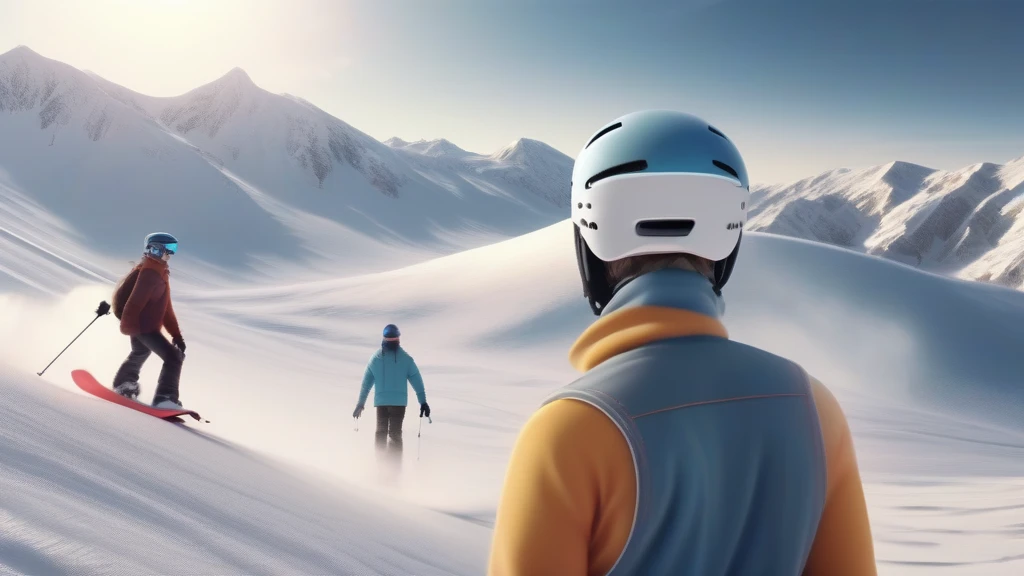
Winter sports enthusiasts—from alpine skiers to backcountry adventurers—know the importance of protecting their heads against impacts, falls, and collisions. Ski and snowboard helmets are a critical piece of gear designed to reduce the risk of serious injury. However, with a variety of safety certifications, helmet technologies, and materials available, understanding what these standards mean and why they matter can be overwhelming. This guide breaks down the key safety certifications and features in ski and snowboard helmets, helping you make informed decisions for optimal protection on the slopes.
Why Safety Certifications Matter
Safety certifications on ski and snowboard helmets serve as verified assurances that the helmet has met rigorous testing standards designed to simulate real-world impact scenarios. These certifications are established by independent organizations and regulatory bodies to ensure helmets provide effective protection against head injuries.
Choosing a helmet that meets recognized safety standards is essential because:
- It guarantees the helmet has passed controlled impact and penetration tests.
- It ensures durability and reliability under winter sport conditions.
- It provides confidence that your helmet offers a baseline level of protection critical for winter sports hazards.
Common Ski & Snowboard Helmet Certifications
Several certifications are widely recognized in the winter sports helmet market. Each has unique testing criteria and regional acceptance, but all aim to safeguard users from head trauma.
CE EN 1077 (Europe)
- Scope: This European standard is specifically designed for alpine skiing and snowboarding helmets.
- Classes: EN 1077 has two classes:
- Class A helmets provide higher impact protection, including coverage of the ears.
- Class B helmets are lighter and more ventilated but offer less ear coverage.
- Testing: Includes impact shock absorption, penetration resistance, and retention system effectiveness.
- Significance: Helmets certified to EN 1077 are trusted in Europe and increasingly recognized worldwide for their comprehensive safety testing.
ASTM F2040 (North America)
- Scope: This standard applies primarily in the United States and Canada for snow sports helmets.
- Testing: Focuses on impact attenuation, penetration resistance, and retention system strength.
- Focus: Emphasizes multi-impact protection and retention system durability under cold conditions.
- Significance: Many helmets sold in North America meet ASTM F2040, ensuring they perform reliably during skiing and snowboarding activities.
ISO 10256
- Scope: An international standard for alpine skiers and snowboarders.
- Testing: Similar to EN 1077, but with slight variations in impact testing and retention system evaluation.
- Recognition: Utilized in some markets as a benchmark for helmet safety.
Specialized Certifications for Other Winter Activities
- Ice Climbing Helmets: Some helmets designed for ice climbing or mixed winter mountaineering comply with climbing-specific standards (e.g., UIAA), focusing more on protection against falling rocks and sharp objects.
- Snowmobiling Helmets: Often certified to DOT or Snell standards, emphasizing high-speed impact protection and wind resistance.
Advanced Safety Technologies in Helmets
Modern helmets go beyond meeting baseline certifications by incorporating cutting-edge technologies to enhance impact protection and user safety.
MIPS (Multi-directional Impact Protection System)
- What It Is: MIPS is a low-friction layer inside the helmet that allows the head to move slightly relative to the helmet during angled impacts.
- Why It Matters: It reduces rotational forces transmitted to the brain, which are a common cause of concussions.
- Application: Many ski and snowboard helmets now include MIPS technology as a standard or optional feature, especially those aimed at freestyle snowboarders and backcountry riders who face complex impact scenarios.
Multi-impact EPS Foam Liners
- Traditional vs Multi-impact: Standard helmets use expanded polystyrene (EPS) foam designed to absorb one major impact. Multi-impact EPS foam can absorb multiple impacts without significant loss of protective qualities.
- Benefit: Ideal for users who want durable helmets that maintain protection through multiple falls or collisions during a day on the mountain.
Helmet Construction and Materials: Balancing Protection and Portability
The shell and liner materials directly affect a helmet’s protective performance, weight, and comfort.
Shell Materials
- Polycarbonate: A lightweight, durable plastic common in in-mold helmet designs allowing integration of shell and liner for reduced weight.
- ABS (Acrylonitrile Butadiene Styrene): A tough, impact-resistant plastic often used in hardshell helmets offering slightly more durability but heavier weight.
- Carbon Fiber and Hybrid Composites: Premium helmets sometimes use carbon fiber or mixed composites to provide exceptional strength-to-weight ratios, enhancing protection while minimizing fatigue during long use.
Impact on Use
- Lightweight materials improve comfort and reduce neck strain during extended wear.
- Durable shells offer better resistance to penetration and abrasion, critical in rugged backcountry or ice climbing conditions.
Fit, Comfort, and Ventilation: Ensuring Helmets Are Worn Correctly
Even the safest helmet is only effective if worn properly and comfortably. How a helmet fits and breathes is crucial for prolonged wear in cold, variable winter environments.
Adjustable Fit Systems
- Dial Fit Systems: Allow micro-adjustments to circumference for secure yet comfortable fit.
- Multi-size Pads: Removable foam pads cater to different head shapes and sizes, improving personalized fit.
Ventilation Features
- Multiple Vents & Removable Covers: Help regulate temperature and reduce fogging in goggles.
- Anti-fog Airflow Channels: Designed to direct air to goggles, maintaining clear vision.
Comfort Enhancements
- Fleece or Sweat-wicking Liners: Keep the head dry and warm.
- Detachable Ear Pads: Provide insulation and pressure relief, with options to remove for warmer conditions.
- Ergonomic Designs: Reduce pressure points and improve overall comfort for all-day use.
Environmental Responsibility in Helmet Manufacturing
Sustainability is increasingly important in outdoor gear production. Many helmet manufacturers now adopt eco-friendly processes including:
- Use of recyclable components and packaging.
- Low carbon manufacturing techniques.
- Incorporation of recycled materials without compromising safety or durability.
Choosing helmets with sustainability credentials benefits not only the environment but aligns with the values of many outdoor enthusiasts.
Conclusion: Making Informed Choices for Safety on the Slopes
Understanding ski and snowboard helmet safety certifications and technologies empowers you to select the right helmet for your winter sport activities. Look for helmets that meet recognized standards like CE EN 1077 or ASTM F2040, feature advanced impact protection like MIPS, and offer a combination of lightweight, durable materials with adjustable fit and ventilation. Prioritize comfort and ensure the helmet integrates well with your goggles and other gear. Additionally, consider helmets made with sustainable practices to minimize environmental impact.
By choosing helmets that combine certified safety, innovative technologies, and ergonomic design, you enhance your protection and comfort, allowing you to confidently enjoy the thrill and beauty of winter sports.