
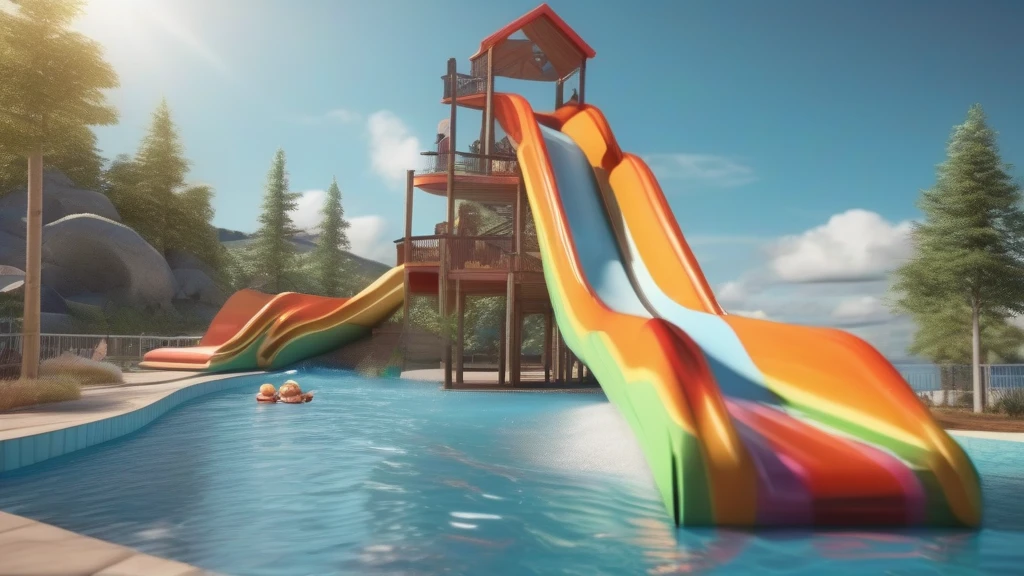
Water slides designed for outdoor aquatic play have become popular accessories that transform docks, pontoons, and backyard pools into exciting, vibrant recreational spaces. Whether you’re a family looking to enhance summer fun or a boating enthusiast aiming to add a new dimension to your pontoon outings, understanding the key features of these water slides is essential to making a smart, lasting choice. This article dives deep into the specifications, materials, design features, and safety considerations that truly matter when selecting a water slide for your outdoor aquatic environment.
Why Features Matter in Outdoor Water Slides
Outdoor water slides are not just simple play structures; they are engineered to withstand exposure to water, sunlight, and frequent use, all while providing a safe and thrilling experience. Knowing the significance of each feature helps you pick a slide that matches your space, user group, and lifestyle. From installation methods to material durability, each aspect influences the slide’s longevity, safety, and overall enjoyment.
Key Features Explained
1. Material Quality and Durability
One of the most critical factors is the material composition of the slide. High-quality water slides are typically made from UV-resistant, weatherproof plastics or fiberglass that resist fading, cracking, and warping over time. The materials must endure constant exposure to water and sunlight without degrading.
- Why it matters: A durable slide maintains its vibrant colors like blue, red, yellow, or orange and smooth surface for years, ensuring both aesthetic appeal and safe rides.
- Example: Slides with reinforced fiberglass bases often handle the stress of multiple users better than standard plastic models, making them ideal for busy family or group settings.
2. Slide Surface and Ride Experience
The sliding surface should be smooth, slick, and contoured to promote fast, enjoyable rides without causing friction burns or discomfort. Some models incorporate water channels or splash zones that keep the slide wet and slick during use.
- Why it matters: A well-designed surface enhances the thrill while minimizing injury risk.
- Example: Slides that include built-in water sprayers or are designed to be used with a garden hose attachment ensure continuous lubrication for a safer, faster slide.
3. Capacity and Size
Water slides come in various sizes with capacities typically ranging from 2 to 4 simultaneous users. The size and capacity should align with your family size and intended usage scenarios.
- Why it matters: Larger slides with multi-user capacity encourage social play and reduce wait times during gatherings or pool parties.
- Example: A dock-attached slide designed to accommodate three children at once can boost group fun during busy summer weekends, while a smaller, single-user slide might be better suited for intimate family use.
4. Installation and Mounting Systems
Slides are designed with specific attachment systems tailored to their mounting location—dock, pontoon, or poolside.
- Dock-attached slides usually feature clamps or brackets that secure firmly to wood or metal dock structures, allowing easy removal during off-season.
- Pontoon boat slides often include quick-release mounts or adjustable fittings to accommodate various pontoon rail sizes without permanent modifications.
-
Poolside slides may be freestanding or bolted to pool edges, requiring stable bases or anchor points.
-
Why it matters: Secure and easy installation ensures safety, prevents damage to your dock or boat, and allows flexibility in slide positioning.
- Example: A slide with a universal clamp system that fits most dock rail sizes reduces the hassle of custom modifications and speeds up setup.
5. Safety Features
Safety is paramount with any water slide, especially in aquatic environments where water depth, surface traction, and user supervision vary.
Common safety features include:
- Non-slip steps or ladders with handrails for safe climbing.
- High sidewalls along the slide to prevent falls during descent.
- Rounded edges and smooth transitions to avoid scrapes.
- Weight limits clearly indicated to prevent overloading.
-
Compatibility with appropriate water depths to ensure safe water entry.
-
Why it matters: These features reduce the risk of accidents and injuries, making the slide safe for children and adults alike.
- Example: Slides designed for docks often recommend a minimum water depth of 4 feet at the entry point to ensure safe landings.
6. Color and Aesthetics
Bright, eye-catching colors are a hallmark of outdoor water slides, enhancing the fun atmosphere and complementing outdoor aquatic settings.
- Why it matters: Vibrant colors like blue, red, yellow, and orange not only appeal visually but also increase visibility for safety.
- Example: A high-visibility yellow slide on a dock stands out against the blue water, making it easier for parents to supervise children.
Tailoring Your Choice Based on Location
Each mounting environment—dock, pontoon, or poolside—has unique demands that influence which slide features matter most.
Dock-Attached Slides
- Must have strong clamps or brackets compatible with dock materials.
- Durable against constant sun exposure and water splashes.
- Usually larger to support multiple users during group activities.
- Require consideration of dock height and water depth for safe entry.
Pontoon Boat Slides
- Need adjustable, quick-release mounts for easy attachment and removal.
- Must be lightweight enough for boat stability, yet sturdy.
- Compact design to fit limited pontoon space without impeding movement.
- Safety features geared toward moving platforms and varying water depths.
Poolside Slides
- Often freestanding or bolted, requiring stable bases.
- Designed for pool edge compatibility and safe water entry.
- May feature integrated splash pools or water sprayers.
- Typically smaller but with smooth surfaces for frequent use.
Practical Tips for Maximizing Your Slide Experience
- Installation Check: Before mounting, confirm that the water depth at the slide’s exit is safe—generally at least 3 to 4 feet.
- Regular Maintenance: Rinse slides with fresh water after use to prevent salt or chemical buildup, and inspect mounts for corrosion or loosening.
- Supervision: Always monitor children during slide use and enforce weight limits.
- Group Play: Opt for multi-user slides if you often host gatherings to keep everyone engaged.
- Seasonal Storage: Remove and store slides during off-season months to prolong material life and maintain appearance.
Conclusion
Choosing the right water slide for your dock, pontoon, or pool involves more than picking a fun shape or color. Understanding the features—from durable materials and smooth sliding surfaces to secure mounting systems and essential safety elements—ensures you invest in a product that delivers lasting enjoyment and peace of mind. By considering your specific location, user group size, and maintenance capabilities, you can select a water slide that transforms your outdoor aquatic environment into a vibrant, safe playground for family and friends.