
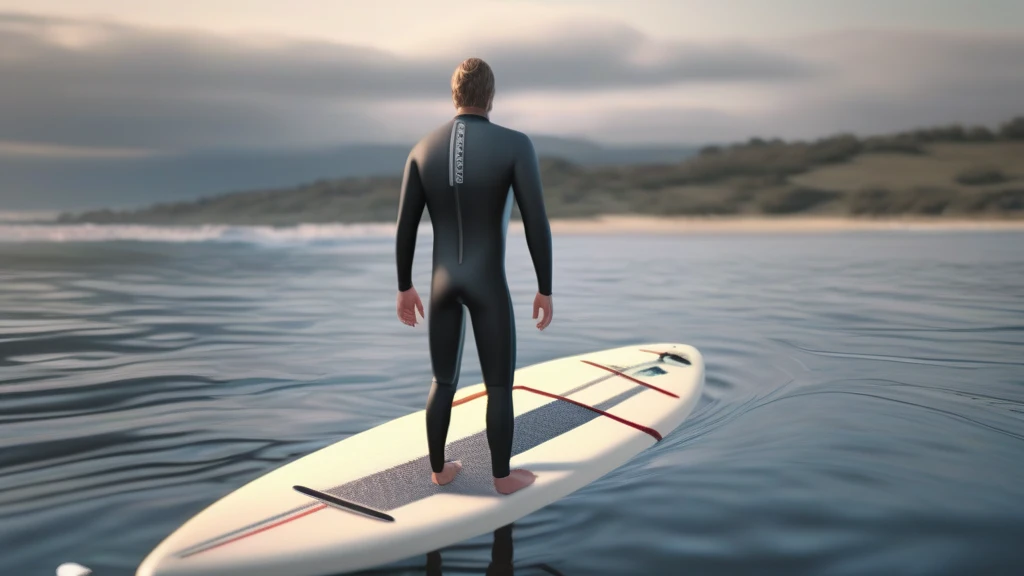
When venturing into aquatic sports like surfing, kayaking, paddleboarding, or diving, your wetsuit is more than just an outfit—it’s your primary defense against cold water and harsh conditions. One of the most critical factors in choosing the right wetsuit is understanding the role of thermal insulation and selecting the appropriate thickness for your specific activity and environment. This guide will help you navigate the nuances of wetsuit insulation, balancing warmth, flexibility, and performance to find the perfect fit for your water adventures.
What Is Thermal Insulation in Wetsuits?
Thermal insulation in wetsuits refers to the material’s ability to retain body heat and protect you from cold water temperatures. Most wetsuits use neoprene, a synthetic rubber foam that traps small air bubbles, reducing heat loss by minimizing water circulation close to your skin. The thicker the neoprene, the greater its insulating properties, but thickness also affects flexibility and mobility.
Modern wetsuits incorporate advanced materials such as limestone-based neoprene or recyclable neoprene, which not only improve insulation but also reduce environmental impact. These materials often feature multi-directional stretch fabrics and ergonomic paneling, enhancing comfort without compromising warmth.
Understanding Wetsuit Thickness Options
Wetsuit thickness is typically measured in millimeters (mm) and ranges from about 2mm to 7mm, sometimes with varying thicknesses across different parts of the suit for optimal movement and insulation. Here’s a breakdown of common thickness categories:
- 2mm to 3mm: Lightweight suits often called "shorty" wetsuits; ideal for warm water activities and short durations in cooler water.
- 4mm to 5mm: Medium thickness suits suitable for moderate water temperatures; provide a balance of warmth and flexibility.
- 6mm to 7mm: Heavy-duty suits designed for cold water and extended exposure; offer maximum insulation but less flexibility.
Some wetsuits use variable thickness designs (e.g., 5/4mm or 3/2mm), where the torso has thicker neoprene for warmth, and the limbs have thinner panels for mobility.
Choosing the Right Thickness Based on Water Temperature
Selecting the proper wetsuit thickness begins with understanding the water temperature you’ll be in:
| Water Temperature (°F) | Recommended Wetsuit Thickness | Typical Activities |
|---|---|---|
| 70°F (21°C) and above | 2mm or less (shorty or sleeveless) | Warm water surfing, paddleboarding, swimming |
| 60°F to 70°F (16-21°C) | 3mm to 4mm | Surfing, kayaking, triathlon training |
| 50°F to 60°F (10-16°C) | 4mm to 5mm | Cold water surfing, diving, extended kayaking |
| Below 50°F (10°C) | 6mm to 7mm or drysuits | Cold water diving, long-duration exposure |
Remember that individual tolerance to cold varies, and factors like wind, current, and exposure time should influence your choice.
Activity-Specific Considerations for Thermal Insulation
Different water sports demand unique wetsuit features beyond insulation thickness.
Surfing
Surfers require maximum flexibility to perform dynamic movements. Thinner suits or suits with variable thickness (e.g., 3/2mm) are popular for moderate temperatures. In colder conditions, a 4/3mm or 5/4mm wetsuit with reinforced knee pads and blindstitched seams offers warmth and durability.
Paddleboarding and Kayaking
These activities often involve long periods of sitting or kneeling, increasing cold exposure. Suits with thicker insulation around the torso (4mm to 5mm) combined with stretchy, thinner limbs for paddling ease are ideal. Features like windproof panels on the chest can further enhance comfort.
Diving
Cold water diving demands high thermal protection. Wetsuits in the 6mm to 7mm range or even drysuits are common, often paired with thermal undergarments. Durable, abrasion-resistant neoprene with reinforced seams ensures longevity in demanding underwater environments.
Triathlon Training
Triathletes prioritize quick-dry materials and flexibility. Lightweight, 2mm to 3mm wetsuits with sleeveless designs or short arms maximize mobility and reduce fatigue while still offering adequate insulation for race conditions.
Balancing Warmth and Flexibility
While thicker neoprene provides better insulation, it also reduces mobility. Modern wetsuit designs address this trade-off by:
- Using ergonomic paneling to contour to body movements, placing thicker neoprene on the torso and thinner panels on limbs.
- Incorporating multi-directional stretch fabrics that enhance flexibility without sacrificing warmth.
- Employing blindstitched and taped seams that prevent water ingress while maintaining suit elasticity.
Consider your activity’s range of motion needs alongside water temperature to select a wetsuit thickness that doesn’t hinder performance.
Additional Thermal Features to Consider
Beyond neoprene thickness, several design elements improve thermal regulation:
- Windproof and waterproof panels on the chest and back reduce heat loss from wind chill.
- Smoothskin neoprene on the outer layer further blocks wind and water.
- Thermal linings inside the suit reflect body heat and accelerate drying.
- Seam sealing methods like blindstitching or taping prevent water flushing through seams.
These features can allow you to choose a slightly thinner wetsuit while maintaining warmth.
Sustainability in Wetsuit Materials and Manufacturing
Eco-conscious consumers will be pleased to know that many wetsuits now use sustainable materials such as:
- Limestone-based neoprene, which requires less energy and fewer harmful chemicals to produce compared to traditional petroleum-based neoprene.
- Recyclable neoprene and biodegradable coatings that reduce environmental impact.
- Low carbon manufacturing processes that minimize greenhouse gas emissions.
Choosing wetsuits with these innovations allows you to enjoy your water sports while supporting environmental responsibility.
Caring for Your Wetsuit to Preserve Insulation
Proper maintenance extends the life and insulating properties of your wetsuit:
- Rinse with fresh water after each use to remove salt, sand, and chlorine.
- Hang to dry inside out in a shaded, well-ventilated area to prevent UV damage.
- Avoid heat sources like dryers or radiators that degrade neoprene.
- Store flat or on a wide hanger to prevent creases.
- Repair small tears or seam damage promptly using repair kits or patches.
A well-maintained wetsuit retains its flexibility and insulation longer, saving money and reducing waste.
Conclusion
Selecting the right wetsuit thermal insulation thickness is a vital step toward enjoying safe, comfortable, and high-performance aquatic activities. By considering water temperature, activity type, and your personal comfort needs, you can find a wetsuit that strikes the perfect balance between warmth and mobility. Advances in eco-friendly materials and thoughtful design features further enhance the value and sustainability of modern wetsuits. With the right knowledge and care, your wetsuit will be a reliable companion on countless water adventures to come.