
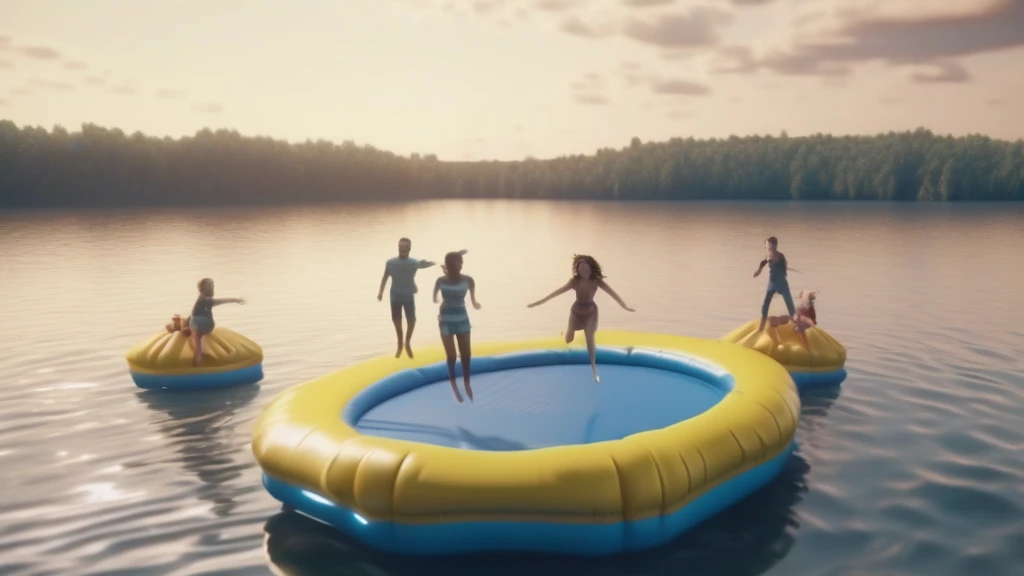
Water trampolines have revolutionized outdoor aquatic fun, blending the exhilarating bounce of traditional trampolines with the unique thrill of water play. Whether you’re planning a lakeside gathering, a pool party, or a beach day, choosing the right water trampoline can elevate your experience. But with various models differing in size, capacity, materials, and design, it’s essential to understand the core features to make an informed decision.
This article takes a deep dive into the main features, specifications, and technologies of water trampolines to help you know what really matters and why.
What Is a Water Trampoline?
Unlike traditional trampolines designed for solid ground, water trampolines are inflatable platforms made from buoyant, waterproof materials. They float on water bodies such as lakes, pools, or calm coastal areas, providing a stable and bouncy surface that supports multiple users. Their construction emphasizes durability and safety to withstand constant exposure to water and sun.
Key Features of Water Trampolines Explained
1. Size and Jumping Surface Diameter
Water trampolines commonly range from 8 to 12 feet in diameter, with each size catering to different group sizes and recreational needs.
-
8-foot Models: Compact and ideal for smaller pools or intimate settings. These typically accommodate 2 users comfortably, making them suitable for families with young children or couples.
-
10 to 12-foot Models: Larger trampolines provide more spacious jumping areas and can handle 3 to 4 users simultaneously. These sizes are perfect for group play, encouraging social interaction and more dynamic activities.
Why it matters:
Larger diameters offer more room to jump freely and reduce the risk of collisions. They also provide a more stable platform on the water, which is crucial when multiple users are bouncing simultaneously.
2. User Capacity
User capacity directly relates to the trampoline’s size and construction quality. Products designed to hold 2 to 4 users ensure the platform can support the combined weight and movement without compromising stability.
-
Multi-user trampolines feature reinforced seams and thicker inflatable borders to maintain shape and buoyancy.
-
The weight limit and maximum user count should always be checked to align with your intended usage.
Why it matters:
Exceeding capacity can lead to instability or damage, increasing safety risks. Choosing a trampoline that fits your group size ensures safer and more enjoyable use.
3. Material Quality and Durability
Water trampolines are built from heavy-duty, waterproof materials such as PVC or vinyl laminates that resist punctures, UV rays, and water damage.
-
Reinforced Seams: Double-stitched or heat-welded seams add strength to prevent leaks and tears.
-
High-Quality Inflatable Components: The inflation tubes and air chambers are designed for reliable air retention, offering stable buoyancy over extended use.
-
Waterproof and UV-Resistant Coatings: These coatings protect the trampoline from sun degradation and exposure to chlorinated or saltwater environments.
Why it matters:
The durability of materials affects the trampoline’s lifespan and safety. Premium materials ensure the trampoline maintains its bounce and integrity season after season, even under heavy water use.
4. Vibrant Colors and Visibility
Water trampolines often come in bright colors like blue, red, yellow, and orange.
-
These vibrant hues enhance visibility on the water, which is critical for safety in open water environments.
-
Eye-catching designs also add aesthetic appeal, making the trampoline a centerpiece for fun and social gatherings.
Why it matters:
High visibility reduces the risk of accidental collisions with boats or swimmers and helps supervising adults keep an eye on children during play.
5. Safety Features and Construction
Safety is paramount in water trampolines, as users are active on an unstable surface surrounded by water.
-
Stable, Wide Inflation Tubes: These form the trampoline’s perimeter and provide balance to prevent tipping.
-
Non-Slip Jumping Surface: Some models include textured or coated surfaces that reduce slipping when wet.
-
Secure Inflation Valves: Prevent air leaks and allow quick setup or deflation.
-
Weight Distribution and Load Testing: Quality trampolines undergo testing to ensure they can handle dynamic loads without failure.
Why it matters:
A well-constructed trampoline reduces injury risks and gives users confidence to enjoy energetic bouncing and light acrobatics safely.
6. Ease of Setup and Portability
Water trampolines are inflatable and typically come with air pumps for easy setup.
-
Some models include quick-inflate valves or adapters compatible with electric pumps.
-
They deflate compactly for transport and storage, making them ideal for seasonal use or travel.
Why it matters:
Quick and hassle-free setup encourages frequent use and facilitates easy storage during off-seasons. Portability also means you can take the trampoline to different water locations, enhancing versatility.
How to Choose the Right Water Trampoline for You
Assess Your Usage Environment
- Pool Use: Smaller 8-foot trampolines fit best and won’t overcrowd pool space.
- Lakes or Beaches: Larger 10-12 foot models provide room for multiple users and better stability on open water.
Consider Group Size and Activity Type
- For families with children, an 8 to 10-foot trampoline with a 2-3 user capacity is often ideal.
- For social gatherings or active groups, larger trampolines handling 3-4 users allow for more interactive play.
Prioritize Safety and Durability
Look for trampolines with reinforced seams, high-quality inflatable parts, and proven waterproof materials. If you plan to use it frequently or in harsh water conditions, invest in premium models with enhanced UV protection and robust construction.
Maintaining Your Water Trampoline for Longevity
Proper care ensures your trampoline remains safe and fun for years.
- Regular Cleaning: Rinse off chlorine, salt, and dirt after each use to prevent material degradation.
- Dry Before Storage: Always dry the trampoline thoroughly to avoid mold and mildew.
- Check for Damage: Inspect seams, valves, and surface regularly for punctures or air leaks.
- Store in a Cool, Dry Place: Avoid prolonged exposure to direct sunlight or extreme temperatures when not in use.
- Use Repair Kits: Many trampolines come with patch kits for quick fixes to minor punctures.
Enhancing Your Water Fun: Activity Ideas
Water trampolines are versatile and can support a range of fun activities:
- Bounce Races: Compete to see who can do the most bounces without falling off.
- Splash Contests: Jump and dive off the trampoline to create the biggest splash.
- Balance Challenges: Try balancing games on the trampoline surface to improve coordination.
- Group Acrobatics: Perform simple flips or tricks with friends (always ensuring safety).
- Relaxation Spot: Use the trampoline as a floating lounge to soak up the sun between jumps.
Conclusion
Water trampolines are more than just a summer toy—they’re hubs of physical activity, social bonding, and aquatic adventure. By understanding key features like size, capacity, material quality, safety, and setup ease, you can select a trampoline that best suits your recreational needs and environment.
Prioritizing these features ensures a durable, safe, and enjoyable experience, turning any lake, pool, or beach outing into a memorable splash-filled celebration of fun.
With the right knowledge, your water trampoline can be a vibrant centerpiece of summer enjoyment for friends and family alike.