
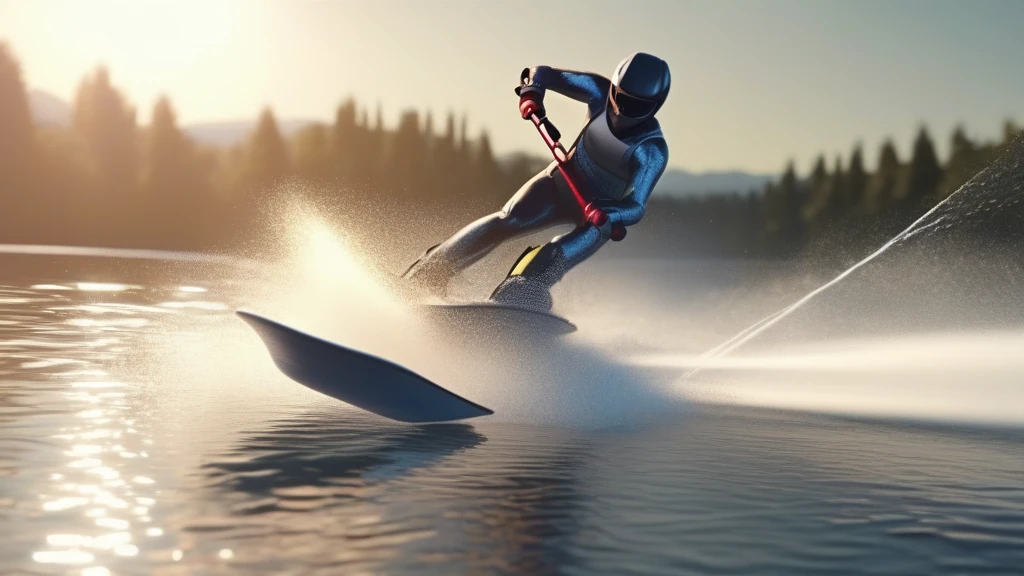
Trick water skiing is a thrilling water sport discipline that blends agility, balance, and precision. Unlike traditional water skiing, trick skiing focuses on performing dynamic maneuvers such as spins, flips, and rapid directional changes on relatively calm water. To excel in this demanding sport, having the right equipment—particularly the right pair of trick water skis—is essential.
In this article, we take a deep dive into the features, specifications, and technologies that define trick water skis. Understanding these elements will empower you to make informed decisions, whether you’re a beginner taking your first steps or a seasoned competitor chasing peak performance.
What Sets Trick Water Skis Apart?
Trick water skis are specialized for freestyle and technical maneuvers, which means their design differs significantly from traditional slalom or jump skis. Key priorities for these skis include:
- Lightweight construction for quick, responsive movements.
- Durability to withstand high-impact landings and water conditions.
- Customizable control through adjustable fins and bindings.
- Stability and balance to support complex tricks.
- Portability for easy transport to and from the water.
Let’s explore the main features that contribute to these goals.
1. Construction Materials: Balancing Weight, Strength, and Durability
The choice of materials is fundamental in trick water skis, directly influencing their weight, strength, and performance.
Carbon Fiber and Kevlar Reinforcement
High-end trick skis often incorporate carbon fiber and Kevlar. Carbon fiber offers exceptional stiffness and extremely low weight, which translates to quicker response times and easier aerial maneuvers. Kevlar reinforcement adds impact resistance, helping the ski withstand abrupt landings and knocks without compromising flexibility.
Why it matters: Lighter skis reduce fatigue and enable faster spins and flips, while reinforced materials ensure your skis last through repeated high-impact landings.
Fiberglass and Aluminum Components
Fiberglass remains a popular base material due to its durability and moderate weight. It provides a good balance of flexibility and toughness, making it suitable for beginner and recreational skis.
Aluminum is commonly used in fin mounts and binding hardware, offering corrosion resistance and structural strength without excessive weight.
Why it matters: Fiberglass-based skis can be more affordable and forgiving for learners, while aluminum components ensure long-lasting adjustable parts.
2. Ski Dimensions and Portability: Size and Travel Convenience
Trick water skis typically range from 40 to 48 inches in length, considerably shorter than traditional skis. This compact size facilitates rapid directional changes and aerial tricks.
Many models feature foldable designs or come with carry bags, highlighting portability. This is essential for athletes who travel frequently or those who want easy storage options.
Why it matters: Shorter, portable skis improve maneuverability on the water and simplify transportation, making it easier to practice and perform anywhere.
3. Fin Systems: Adjustable, Detachable, and Customizable Control
Fins are critical for stability and steering during tricks. Trick skis often come with sophisticated fin configurations:
- Adjustable fins allow skiers to fine-tune the angle and depth of the fin in the water, tailoring responsiveness and control.
- Detachable fins enable switching between fin types or removing fins entirely for different water conditions or trick styles.
- Some skis even offer no-fin options for advanced skiers who prefer minimal drag and maximum freedom.
Why it matters: Being able to customize fin setup ensures optimal balance between stability and agility, supporting a wider range of tricks and water conditions.
4. Bindings and Boot Styles: Fit, Comfort, and Safety
Bindings secure your feet to the skis and can significantly affect comfort, control, and safety.
Open-Toe vs. Closed-Toe Bindings
- Open-toe bindings offer more ventilation and flexibility, often favored by beginners who need easier foot entry and exit.
- Closed-toe bindings provide a snugger fit and better protection, preferred by advanced skiers performing high-impact tricks.
Fixed vs. Adjustable Bindings
- Fixed bindings are set in place for consistent foot position but may limit customization.
- Adjustable bindings accommodate different foot sizes and allow fine-tuning for comfort and control.
Safety Features
Look for anti-slip footbeds and quick-release mechanisms to reduce injury risk during falls. Smooth, rounded edges on bindings and ski surfaces prevent cuts and abrasions.
Why it matters: Proper bindings enhance your connection to the ski, improving trick execution and reducing injury risk.
5. Durability and Weather Resistance: Built for the Elements
Trick water skis are subjected to repeated impact and exposure to sun, water, and debris. Durable construction includes:
- UV-resistant coatings to prevent material degradation and color fading.
- Waterproof and corrosion-resistant hardware (especially aluminum components).
- Multi-layer laminate designs that resist chipping, cracking, and warping.
Many manufacturers also incorporate eco-friendly coatings and recyclable components, reflecting sustainable production methods.
Why it matters: Durable, weather-resistant skis ensure consistent performance over time and reduce maintenance needs.
6. Environmental Considerations: Eco-Friendly Innovations
Increasingly, trick water skis are produced with sustainability in mind. Features include:
- Biodegradable surface coatings that minimize environmental impact.
- Use of recyclable materials in ski bodies and packaging.
- Production processes that reduce carbon footprint and waste.
Why it matters: Choosing eco-conscious skis aligns your passion for water sports with environmental stewardship.
Putting It All Together: Choosing the Right Trick Water Ski for You
When evaluating trick water skis, consider the following based on your skill level and goals:
| Feature | Beginner/Recreational | Advanced/Competitive |
|---|---|---|
| Materials | Fiberglass base with some reinforcement | Carbon fiber and Kevlar for max strength and lightness |
| Length | Toward longer end (46–48 inches) for stability | Shorter skis (40–44 inches) for agility |
| Fins | Fixed or adjustable fins for control | Adjustable and detachable fins for precision tuning |
| Bindings | Open-toe, adjustable for comfort | Closed-toe, fixed or adjustable with safety features |
| Portability | Standard size, carry bag for convenience | Foldable designs and lightweight for travel |
| Durability | UV-resistant coatings, basic durability | High-impact resistant materials and reinforced hardware |
Final Thoughts
Understanding the technical features of trick water skis empowers you to select equipment that complements your skill level and skiing style. From the choice of materials to fin configurations and binding types, each element contributes to your ability to perform tricks with confidence and safety.
By prioritizing lightweight construction, customizable controls, durability, and even environmental considerations, you can enhance your trick skiing experience and progress toward mastering your freestyle ambitions.
Whether you’re just starting or competing at top levels, knowing what really matters in trick water skis helps you navigate the options and enjoy every exhilarating moment on the water.