
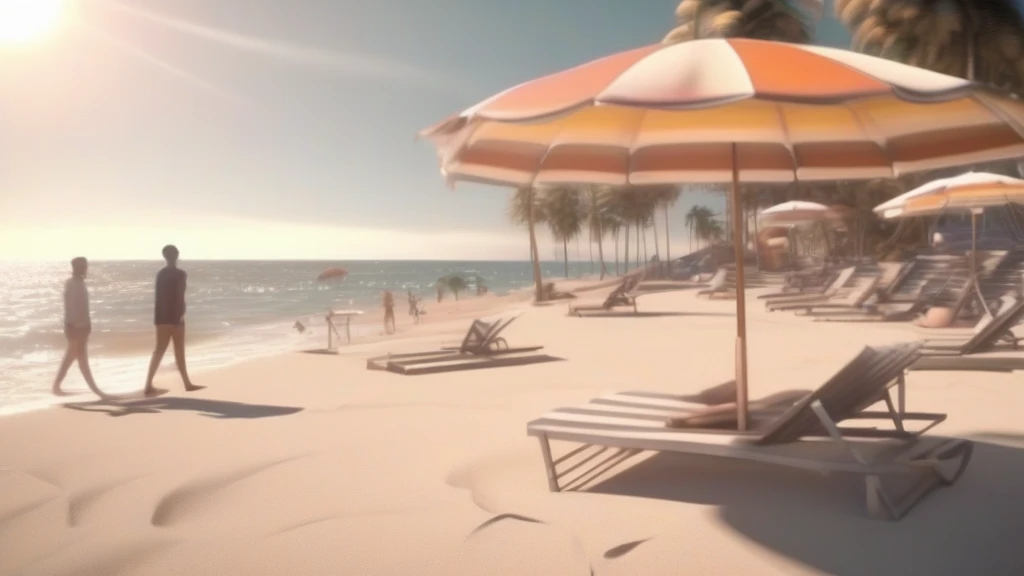
Spending time outdoors is a favorite pastime for many, whether at the beach, campsite, picnic spot, or backyard patio. While soaking up the sun can boost mood and vitamin D levels, prolonged exposure to harmful ultraviolet (UV) rays poses serious health risks like sunburn, premature skin aging, and increased chances of skin cancer. This makes effective sun protection a must-have for any outdoor activity. Among the various options available, parasols with high Ultraviolet Protection Factor (UPF) ratings stand out as a practical and stylish solution.
In this article, we’ll explore what UPF ratings mean, why UV50+ parasols are particularly important, and how to choose the right parasol to keep you and your loved ones safe under the sun.
What Is UPF and Why Does It Matter?
Understanding UPF Ratings
UPF, or Ultraviolet Protection Factor, measures how effectively a fabric blocks UV radiation from reaching your skin. Unlike sunscreen, which is applied to the skin, UPF applies to textiles such as parasol canopies, indicating the fraction of UV rays that penetrate the material.
- UPF 15-24: Provides good UV protection, blocking about 93.3% to 95.9% of UV rays
- UPF 25-39: Offers very good protection, blocking approximately 96.0% to 97.4%
- UPF 40-50+: Excellent protection, blocking 97.5% or more of UV rays
A parasol with a UV50+ rating means it blocks at least 98% of harmful UV radiation, significantly reducing the risk of sun damage.
Health Benefits of High UPF Parasols
Choosing a parasol with a high UPF rating can:
- Prevent sunburn: Even short exposures to intense sunlight can cause painful burns, which increase long-term skin damage.
- Reduce skin cancer risk: UV radiation is a major contributor to skin cancers like melanoma. Effective shading lowers cumulative UV exposure.
- Protect eyes and delicate skin: The face, neck, and shoulders are particularly vulnerable; a well-designed parasol shields these areas from direct sunlight.
- Minimize premature aging: UV rays break down collagen and elastin, leading to wrinkles and sunspots. High UPF parasols help maintain healthy skin.
Key Features of UV50+ Parasols for Optimal Sun Safety
Broad Canopy Coverage
To maximize shade, look for parasols with a canopy diameter ranging from 6 to 10 feet. Larger canopies provide ample coverage for individuals or groups, making outdoor relaxation more comfortable and safe.
Durable, Sun-Blocking Fabrics
High UPF parasols often use multi-layered fabrics treated with UV inhibitors. Materials such as polyester blends or eco-friendly, sustainable textiles are common, offering both sun protection and resistance to wear and tear.
Weather-Resistant and Windproof Design
Sun protection is important, but outdoor parasols must also withstand environmental factors like wind and light rain. Features like:
- Water-resistant and quick-dry fabrics
- Double-vented canopies to reduce wind pressure
- Reinforced ribs made from rustproof aluminum or steel
ensure your parasol remains stable and functional throughout varying weather conditions.
Choosing the Right UV50+ Parasol for Your Needs
Consider Your Outdoor Activities
- Beachgoers benefit from lightweight, portable parasols with sand anchors or screw-in bases for stability on shifting sand.
- Campers and picnic lovers may prefer parasols with adjustable height and tiltable canopies to track the sun throughout the day.
- Patio users often need heavier bases or clamp systems to secure the parasol on hard surfaces.
Size and Portability
Choose a canopy size based on your typical group size and space constraints. If you travel frequently, prioritize foldable designs and included carry bags for easy transport.
Environmental Considerations
Many parasols now incorporate eco-friendly fabrics and recyclable components. Opting for these options supports sustainability without compromising on durability or protection.
Tips for Setting Up and Maintaining Your UV50+ Parasol
Secure Anchoring on Different Surfaces
- Sand: Use screw-in sand anchors or weighted bags filled with sand.
- Grass: Stake down with ground spikes or use weighted bases.
- Patios and decks: Clamp bases or heavy weighted stands prevent tipping.
Proper anchoring not only improves safety but prolongs the life of your parasol.
Routine Maintenance
- Clean the canopy regularly with mild soap and water to remove dirt and oils that can degrade UV coatings.
- Allow the parasol to dry fully before storing to prevent mold and mildew.
- Inspect ribs and joints periodically for damage, tightening screws or replacing parts as necessary.
Styling Your Outdoor Space with UV50+ Parasols
Parasols are not only functional but can enhance your outdoor aesthetic. Consider coordinating canopy colors and patterns with your patio furniture, beach gear, or picnic setup. From vibrant tropical prints to classic neutrals, the right parasol adds personality and charm while keeping you safe.
Conclusion
Understanding UPF ratings is crucial when selecting a parasol that truly protects you from the sun’s harmful rays. UV50+ parasols offer superior coverage, blocking at least 98% of UV radiation, and combine this with durability, portability, and style. By choosing the right parasol tailored to your outdoor lifestyle and maintaining it properly, you can enjoy extended time outdoors safely and comfortably.
Whether you’re lounging on the beach, sharing a picnic with family, or relaxing on your patio, investing in a high UPF parasol is a smart move toward better sun safety and long-term skin health.