
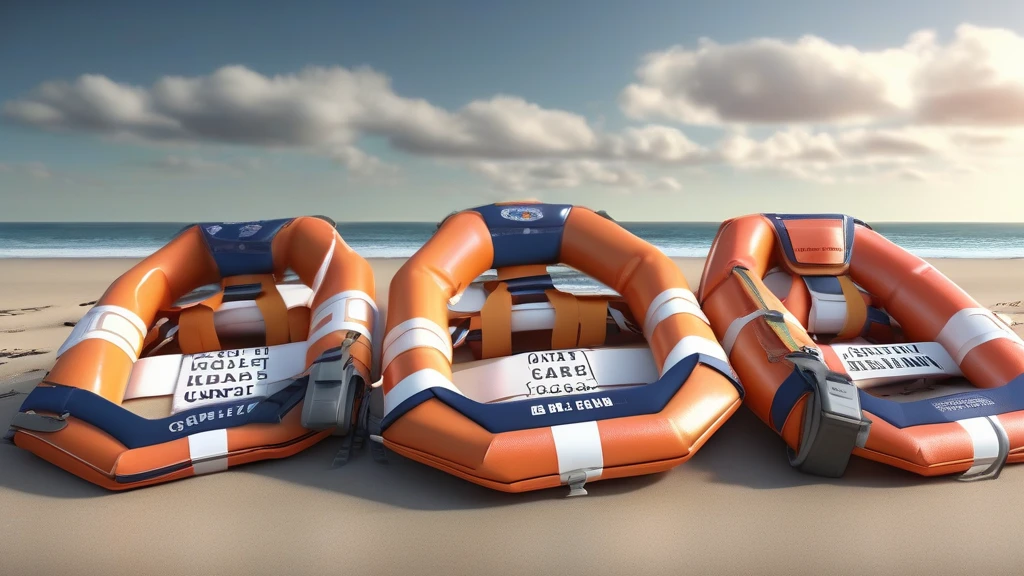
When venturing onto the water—whether for fishing, kayaking, sailing, or family recreation—wearing a reliable life jacket is a fundamental safety measure. However, not all life jackets are created equal, and understanding the certifications behind these personal flotation devices (PFDs) is crucial for ensuring maximum safety. Among the various standards, the US Coast Guard (USCG) certifications and international approvals like ISO, CE, and TÜV serve as key indicators of a life jacket's reliability and suitability for specific water activities.
This article explores the meaning behind these certifications, the distinctions among life jacket types, and how they guide users in selecting the right gear for safe and enjoyable aquatic experiences.
The Importance of Life Jacket Certifications
Certifications serve as rigorous guarantees that a life jacket meets established safety criteria. These standards encompass buoyancy performance, material durability, design features, and sometimes environmental considerations. For consumers, certifications provide confidence that a PFD will perform as intended in emergencies.
Why Certifications Matter
- Safety Assurance: Certified life jackets have passed buoyancy and stability tests ensuring they keep users afloat and their airways clear.
- Regulatory Compliance: Many jurisdictions require USCG-approved or internationally certified life jackets for legal boating.
- Activity Suitability: Certifications often specify the intended use environment—offshore, near-shore, or specialized activities—helping users choose appropriate gear.
- Quality Indicator: Certified life jackets use materials and designs tested for durability against UV exposure, saltwater corrosion, and wear.
Understanding US Coast Guard Life Jacket Types and Certifications
The US Coast Guard classifies life jackets into five main types (I through V), each designed for specific uses and environments. USCG approval ensures a life jacket meets strict criteria for flotation, stability, and safety features.
Type I — Offshore Life Jackets (Maximum Buoyancy)
- Use: Open, rough waters where rescue may be delayed.
- Buoyancy: Highest (typically 22+ pounds of buoyant force).
- Features: Designed to turn an unconscious wearer face-up.
- Suitability: Commercial mariners, offshore fishermen, sailors venturing far from shore.
Type II — Near-Shore Buoyant Vests (Moderate Buoyancy)
- Use: Calm, inland waters or where quick rescue is expected.
- Buoyancy: Moderate (about 15.5 pounds).
- Features: Provides less turning ability but adequate for most near-shore activities.
- Suitability: Casual boaters, recreational fishing, family outings.
Type III — Flotation Aids (Standard Buoyancy)
- Use: Activities where mobility is important—kayaking, paddleboarding, water skiing.
- Buoyancy: Standard (about 15.5 pounds).
- Features: Comfortable fit, allows freedom of movement; may not turn unconscious wearer.
- Suitability: Kayakers, paddlers, sailors.
Type IV — Throwable Devices
- Use: Emergency use only; not wearable.
- Types: Ring buoys, cushions.
- Features: Thrown to a person in water; no buoyancy when worn.
- Suitability: Required on some boats as secondary safety.
Type V — Special Use Devices
- Use: Designed for specific activities or conditions (e.g., windsurfing, inflatable PFDs).
- Features: Must be used according to label instructions to maintain approval.
- Suitability: Experienced users engaged in specialized water sports.
International Certifications: ISO, CE, and TÜV
Outside the US, life jackets often carry certifications from international bodies. These standards align broadly with USCG requirements but may include additional environmental or ergonomic testing.
ISO (International Organization for Standardization)
- Focus: Performance and quality standards for life jackets used worldwide.
- Relevance: Common in Europe, Asia, and internationally.
- Key Standard: ISO 12402 series covers buoyancy aids, inflatable life jackets, and safety equipment.
CE (Conformité Européenne)
- Focus: Compliance with safety, health, and environmental protection standards for products sold within the European Economic Area.
- Relevance: Indicates conformity with European safety directives.
- Marking: CE mark is mandatory for life jackets sold in Europe.
TÜV (Technischer Überwachungsverein)
- Focus: Independent testing and certification body based in Germany.
- Relevance: Provides additional assurance of product safety and quality.
- Scope: Often certifies products to meet or exceed ISO and CE standards.
What Certification Means for Buyers
When selecting a life jacket, understanding these certifications helps match products to intended use:
- USCG Approval is essential for boating in US waters and is often preferred for its clear type classifications.
- ISO and CE Certifications indicate compliance with rigorous international standards, especially important for users in Europe or those purchasing online from global sellers.
- TÜV Certification offers an extra layer of quality assurance but is usually supplementary to ISO/CE marks.
Beyond Certification: Key Features to Consider
While certifications guarantee baseline safety, additional features improve usability, comfort, and effectiveness:
- Material Durability: Look for UV-resistant fabrics like ripstop nylon or marine-grade vinyl to withstand harsh marine environments.
- Visibility: High-visibility colors (orange, yellow, red) and reflective tape improve rescue chances.
- Adjustability and Fit: Adjustable buckles, reinforced straps, and ergonomic cuts ensure secure, comfortable wear.
- Inflatable Technology: Some certified life jackets incorporate inflatable bladders for compactness and buoyancy on demand.
- Additional Safety Accessories: Emergency whistles, rescue handles, and mounts for lights enhance readiness.
Conclusion
Choosing a life jacket is more than selecting a flotation device—it’s about understanding certifications that guarantee safety, durability, and suitability for your water activities. US Coast Guard approvals remain a trusted standard in the United States, while international certifications like ISO, CE, and TÜV ensure global safety compliance.
By considering these certifications alongside activity-specific features and comfort factors, you can confidently select a life jacket that not only meets legal requirements but also provides peace of mind on every water adventure. Remember, the right life jacket is your best defense against aquatic emergencies—invest time in understanding certifications to keep yourself and your loved ones safe on the water.