
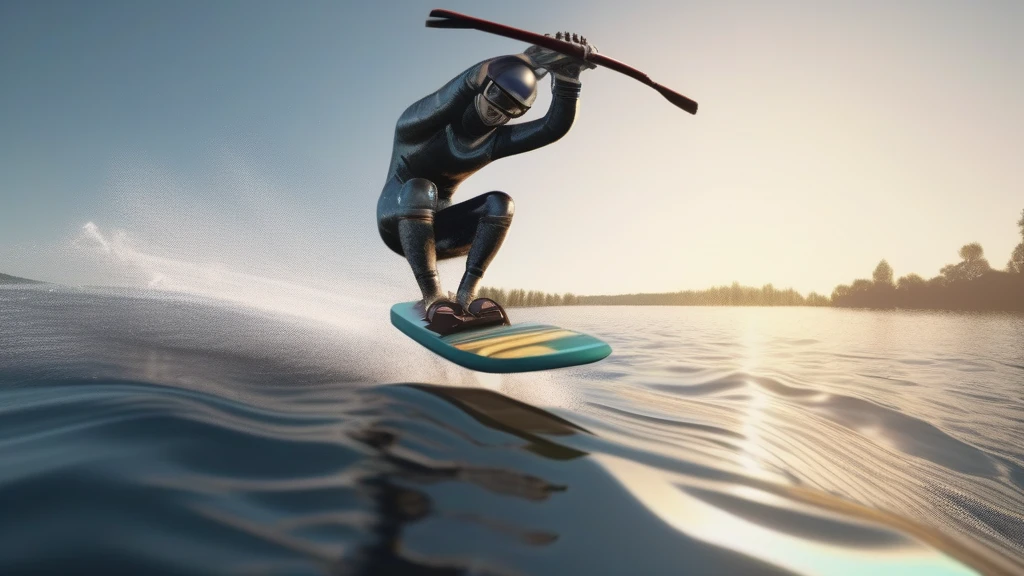
Wakeboarding is an exhilarating water sport that combines speed, skill, and creativity. Whether you’re a beginner eager to get started or an experienced rider refining your tricks, safety should always be a top priority. Wakeboards are specialized pieces of equipment designed not only for performance but also to keep riders protected during their time on the water. Understanding the key safety features in wakeboards can help you make an informed choice that matches your skill level and riding style, ensuring both fun and security.
In this article, we’ll explore the most important safety considerations when selecting a wakeboard, including board construction, design elements, and additional features that contribute to a safer ride.
Why Safety Features Matter in Wakeboarding
Wakeboarding involves being towed at high speeds behind a boat or cable system, which means falls and collisions with the water or equipment can happen unexpectedly. Proper safety features minimize injury risks, improve control, and boost confidence—especially for beginners and intermediate riders still mastering balance and technique.
Selecting a wakeboard with thoughtful safety design reduces the chances of accidents and ensures you can focus on progression and enjoyment rather than worrying about potential hazards.
Key Safety Features to Look for in a Wakeboard
1. Durable and Impact-Resistant Construction
A wakeboard’s core materials and outer layers play a crucial role in safety. Most wakeboards use a combination of lightweight and strong materials such as fiberglass, carbon fiber, composite blends, or wood cores. Here’s how these influence safety:
- Fiberglass and Composite Blends: Offer excellent durability and flexibility, absorbing shocks during landings or falls.
- Carbon Fiber: Provides a lightweight yet tough structure, enhancing control and reducing fatigue, which indirectly improves safety.
- Wood Cores: Known for their natural flex and vibration dampening, which can soften impacts.
Boards with reinforced edges and protective rails help prevent damage from collisions with docks, obstacles, or hard water landings. These reinforcements also protect the rider’s feet and legs from sharp edges during falls.
2. Rocker Profiles and Stability
The rocker profile of a wakeboard—the curve from tip to tail—affects how the board rides on water and how stable it feels. Stability is a key safety factor, especially for beginners.
- Continuous Rocker: Features a smooth curve, providing consistent edge contact with water. This profile offers predictable speed and smooth turns, making it easier to maintain balance.
- 3-Stage Rocker: Has flat sections between the tip and tail, creating more pop off wakes but can feel less stable for novices.
- Hybrid Rocker: Combines elements of both continuous and 3-stage, balancing stability and pop.
- High Rocker: Designed for advanced riders focusing on sharp turns and aggressive tricks but tends to be less forgiving.
For those new to wakeboarding, a continuous or hybrid rocker is usually safer because it promotes steadier rides and reduces the likelihood of catching an edge.
3. Fin Configuration for Control and Safety
Wakeboard fins provide grip and directional control in the water, which is essential for safe maneuvering.
- Single Fin: Simplest setup, offering a loose feel but less control.
- Twin or Tri-Fin: Adds stability and better tracking; helps prevent slipping sideways during landings or turns.
- Quad Fin: Offers maximum control and responsiveness, favored by advanced riders.
Beginners should look for boards with adjustable or multiple fin setups that enhance stability and control without sacrificing maneuverability. Some boards even come with quick-change fin kits for customizing the ride according to experience and conditions.
4. Ergonomic and Protective Bindings
Bindings not only secure your feet to the board but also greatly influence safety. Look for:
- Ergonomic Fit: Bindings that comfortably hold your feet without restricting blood flow reduce the risk of cramps or injuries.
- Quick-Release Mechanisms: Allow riders to easily detach their feet in case of a fall, preventing leg or ankle injuries.
- Padding and Support: Adequate cushioning absorbs shocks and protects feet from hard impacts.
High-quality bindings help maintain control and reduce the risk of foot or ankle sprains during sudden movements or falls.
5. Compliance with Safety Certifications
Reputable wakeboards often meet marine safety standards such as ISO, CE, or TÜV certifications. These certifications indicate that the board has undergone rigorous testing for durability, performance, and safety compliance. Checking for these marks can provide additional assurance that the product meets recognized safety benchmarks.
Additional Tips for Enhancing Wakeboard Safety
Regular Maintenance and Inspection
Keeping your wakeboard in good condition is essential for safety. Regularly check for:
- Cracks or damage to the board’s surface and edges
- Secure and functioning bindings
- Properly attached and undamaged fins
Replacing worn or broken parts promptly reduces the risk of accidents caused by equipment failure.
Using Appropriate Protective Gear
Even the safest wakeboard can’t prevent all injuries. Wearing a life jacket rated for water sports, helmet, and impact vest can significantly mitigate injury risks. These items provide buoyancy and impact protection, especially when learning new tricks or riding in challenging conditions.
Understanding Warranty Coverage
A solid warranty reflects the manufacturer’s confidence in product safety and durability. Review warranty terms related to structural defects or manufacturing faults, so you know your investment is protected in case of unforeseen issues.
Conclusion
Choosing a wakeboard with the right safety features is a crucial step toward enjoying this thrilling sport with confidence. Prioritize boards that combine durable materials, stable rocker profiles, effective fin setups, ergonomic bindings, and recognized safety certifications. Coupled with proper maintenance and protective gear, these features create a safer wakeboarding experience for riders at every skill level.
By understanding these safety aspects before making a purchase, you ensure your board supports your progression while protecting you on the water—allowing you to focus on mastering new tricks and savoring the excitement of wakeboarding.